
South Africa’s EV market has been waiting for this. Not the promise of affordable electric motoring, which has been dangled for years, but the actual arrival of a car that delivers on it. The BYD Dolphin Surf Dynamic, at R393 900, is a serious attempt at that goal. It is small, well-made, and packed with technology that would have cost considerably more under any other badge.
What is it?
The Dolphin Surf is BYD’s most compact model in South Africa, sitting below the standard Dolphin in both size and price. The Dynamic is the higher of the two local variants, adding Vehicle-to-Load (V2L) capability, wireless phone charging, a tilt-and-telescopic steering column, and 40 kW DC fast charging over the entry-level Comfort’s 30 kW. The battery is a 38.88 kWh Blade unit, BYD’s proprietary lithium iron phosphate cell-to-pack technology, driving a single 55 kW front-mounted motor producing 135 Nm of torque through front wheels only.
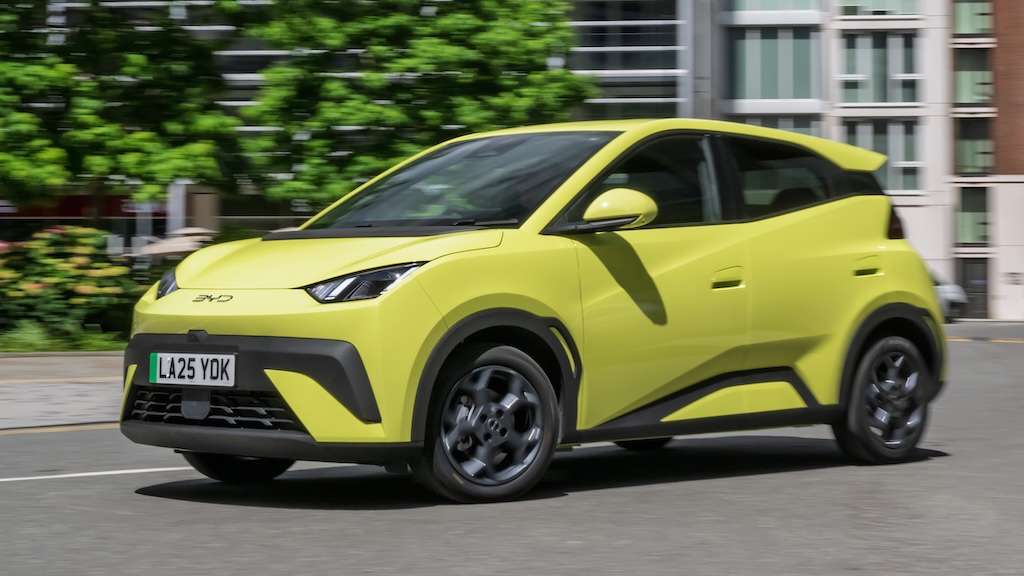
To put the size in perspective: the Surf is broadly Polo Vivo-sized in length at 3 925mm, just 47mm shorter than that benchmark small hatchback, and its wheelbase of 2 500mm is the longest in the class, beating the Polo Vivo’s 2 470mm and the Swift’s 2 450mm.
What sets the Surf apart dimensionally is its height: at 1 590mm it stands 70 to 128mm taller than a Polo Vivo, Swift, Grand i10, or Picanto, giving it a crossover-like seating position and a noticeably airier interior than its footprint suggests. The one dimension that works against it is ground clearance, at 120mm the lowest of the class and worth keeping in mind on rougher surfaces.
How it looks
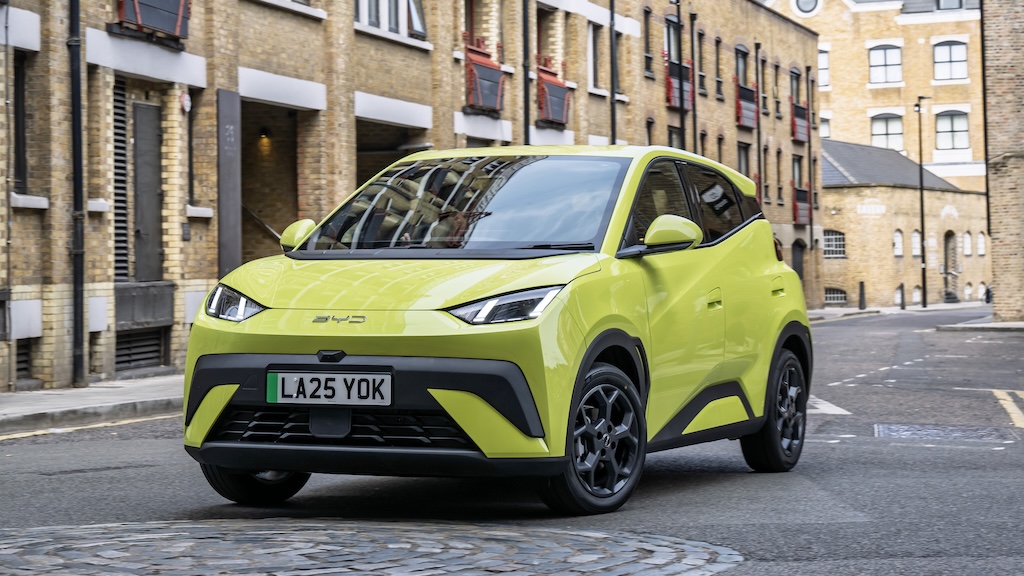
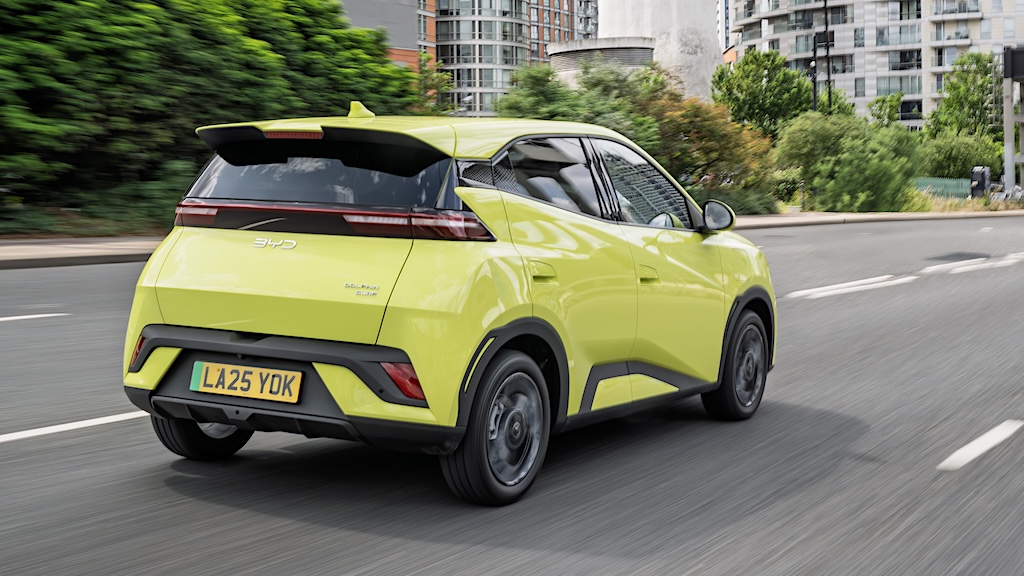
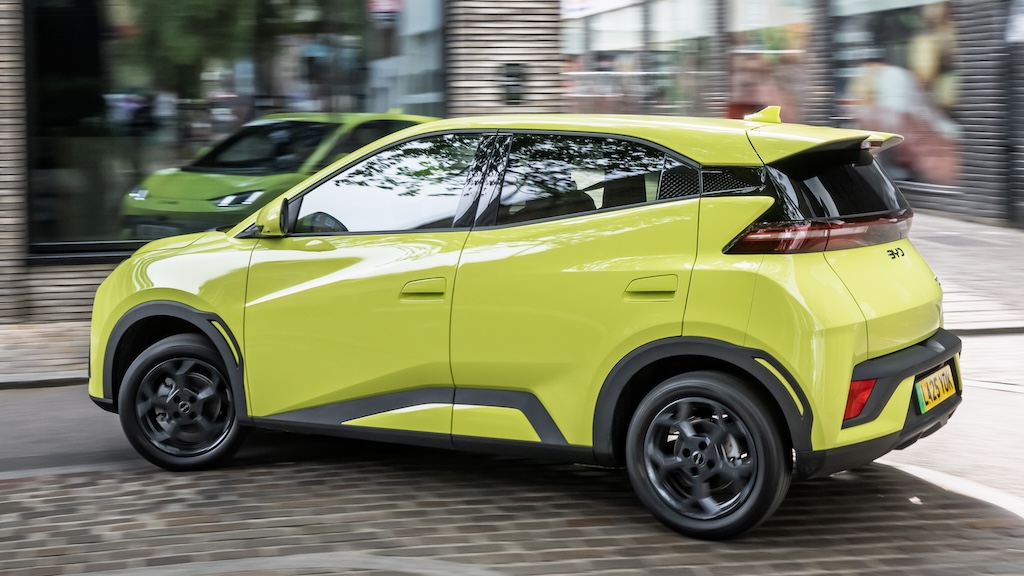
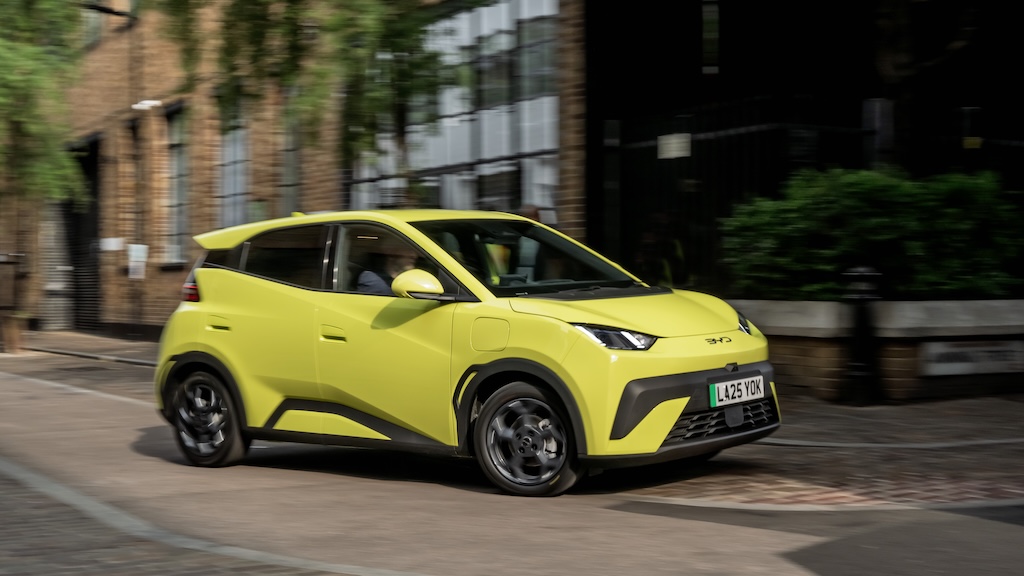
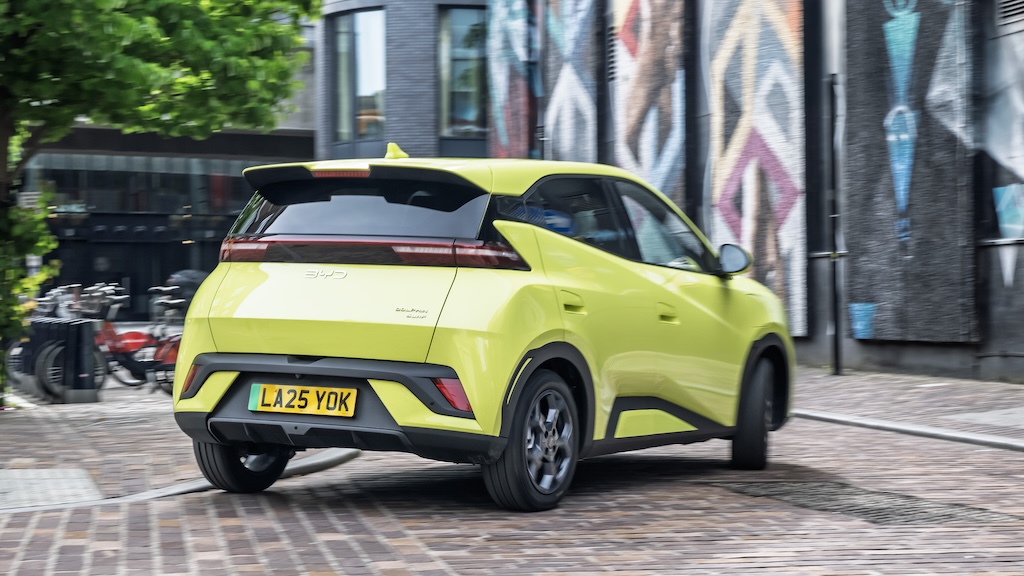
This is a striking little car. The front end carries angular headlights with a clear supercar reference point, while the rear features a full-width LED bar that illuminates in a left-to-right sweep. It is cohesive and distinctive in a way that many city cars are not. The proportions are bold for the class: a 2 500mm wheelbase is generous for a car just 3 925mm long, and BYD offers four colour options locally, Lime Green, Cream White, Cosmos Black, and Ice Blue, with the green in particular making a strong visual statement.
One styling note that is off key: the rear door handles are integrated into the door itself rather than flush-mounted in the C-pillar itself. The effect looks awkward. Alfa Romeo and Suzuki have both shown that properly integrated handles work better, visually and practically. It is a minor point, but worth noting given how well considered the rest of the exterior is.
Behind the wheel
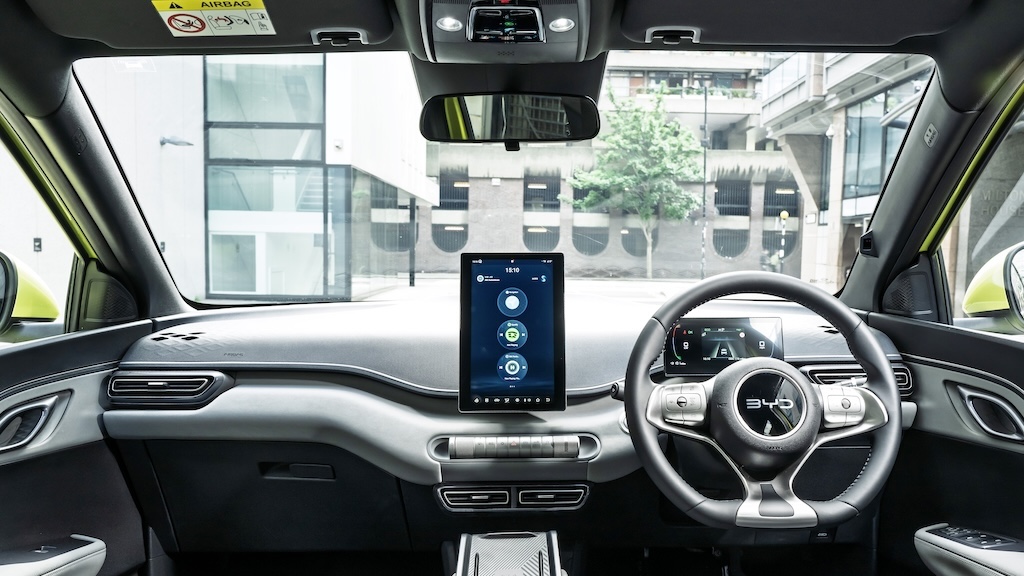
Ride quality is good for a city car on 185/55 R16 tyres. The cabin is refined. The stalks have a quality feel that compares favourably with Volkswagen Group products at a higher price point. The toggle selector for drive, reverse and neutral, similar to the unit in the larger Dolphin, is premium in feel but awkward in placement. It would work better on a stalk.
The instrument cluster is a 7-inch screen: small and basic in presentation, though it displays live readings from the standard tyre pressure monitoring system, which is a useful touch. The 10.1-inch central touchscreen is another matter entirely: it is snappy and responsive, with no perceptible lag, and it rotates between landscape and portrait orientations. Apple CarPlay and Android Auto are both supported wirelessly. The four-speaker sound system is adequate, no more than that, but given the price point it is hard to call it a disappointment.
Air conditioning is standard. It is not automatic climate control, but it keeps the cabin cool effectively, which is what matters on a South African summer commute.
On the road
The regenerative braking system offers two strength settings, but neither is particularly assertive. Even on the stronger setting the deceleration is gentle, and there is no one-pedal driving mode. The car has more of an inclination to coast than to scrub speed when you lift off, which suits relaxed urban driving but will frustrate EV converts used to stronger regen. It is a calibration choice rather than a technical limitation, and one BYD appears to have made deliberately for its target market.
Now let’s talk steering. This reviewer found it unsettled, particularly in crosswind conditions. The weighting is very light. A second driver in our test, who favours lighter steering, found the feel pleasant and said she would have preferred it lighter still. Steering feel is always subjective, but drivers accustomed to a more connected front end will need time to adjust. Greg Cress of the YouTube channel The Electric One notes that selecting Sport mode meaningfully improves the handling and steering weight, and that is worth exploring on a longer drive.
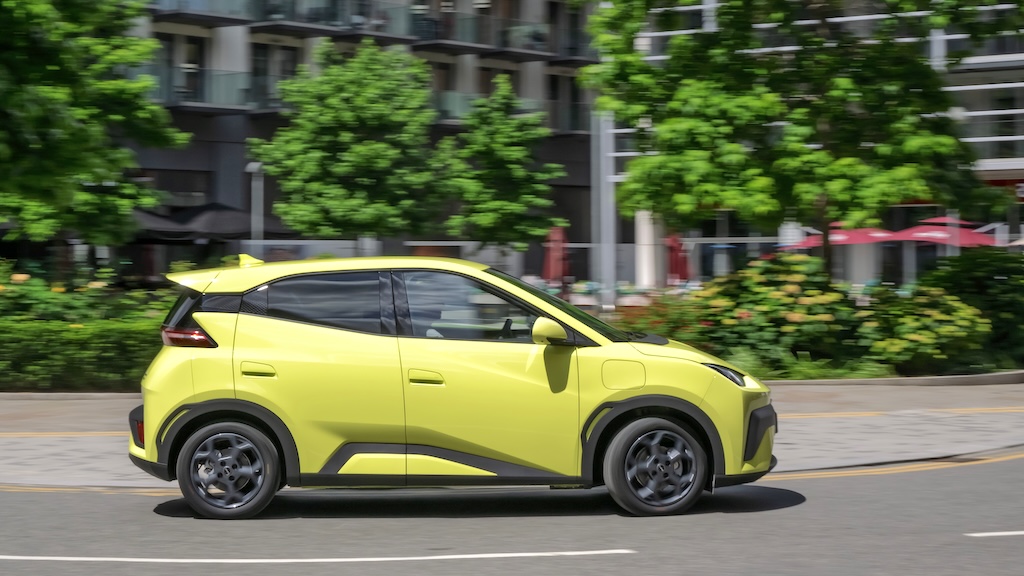
Power delivery is adequate rather than exciting. The 0-100 km/h time of 15.5 seconds reflects the modest 55 kW output, and the 130 km/h top speed is entirely sufficient for South African conditions. In town, where this car belongs, there is enough performance to keep pace with traffic without strain.
On the highway, some wind noise becomes apparent at higher speeds, noted consistently across international reviews. Road noise is reasonably well controlled for the class, and the ride settles at a cruise compared to its slightly jiggly behaviour over rougher low-speed surfaces. The Surf is a composed urban car that becomes progressively less settled the more time you spend at sustained freeway speeds. For its intended use, that is not a damning finding.
Cabin and space
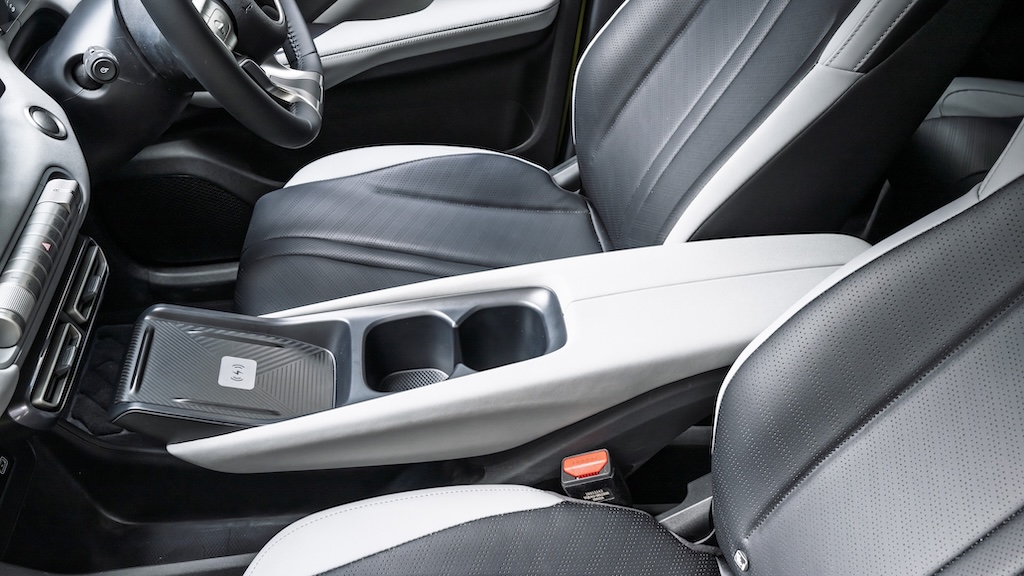
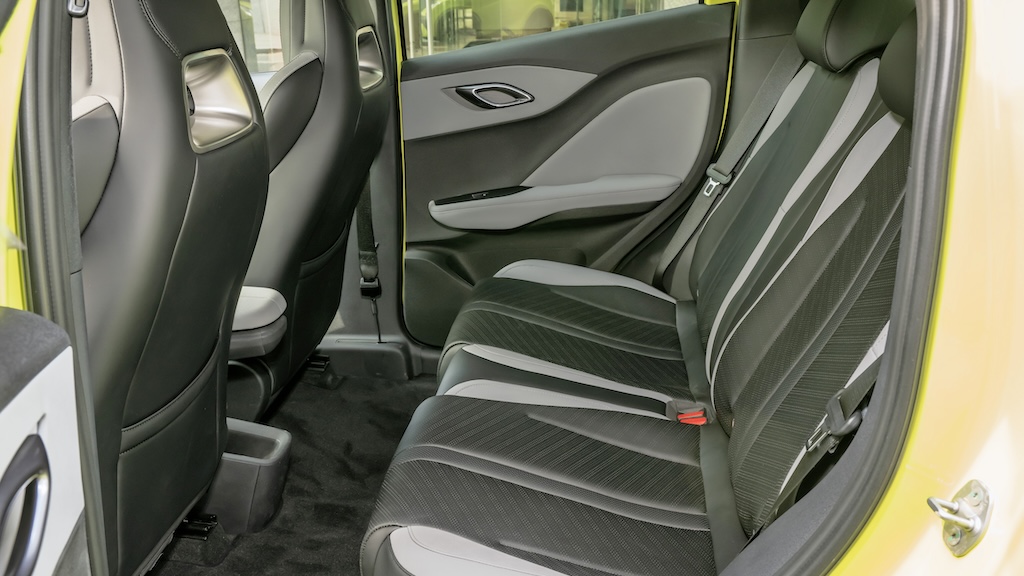
Here is where the Surf surprises most. The interior is substantially larger than the exterior dimensions suggest. Rear seat legroom is comfortable for adults, and headroom is not compromised by the sloping roofline. Fit and finish is genuinely premium: well-integrated panels, quality materials throughout, a level of surface finish that does not feel like a budget product.
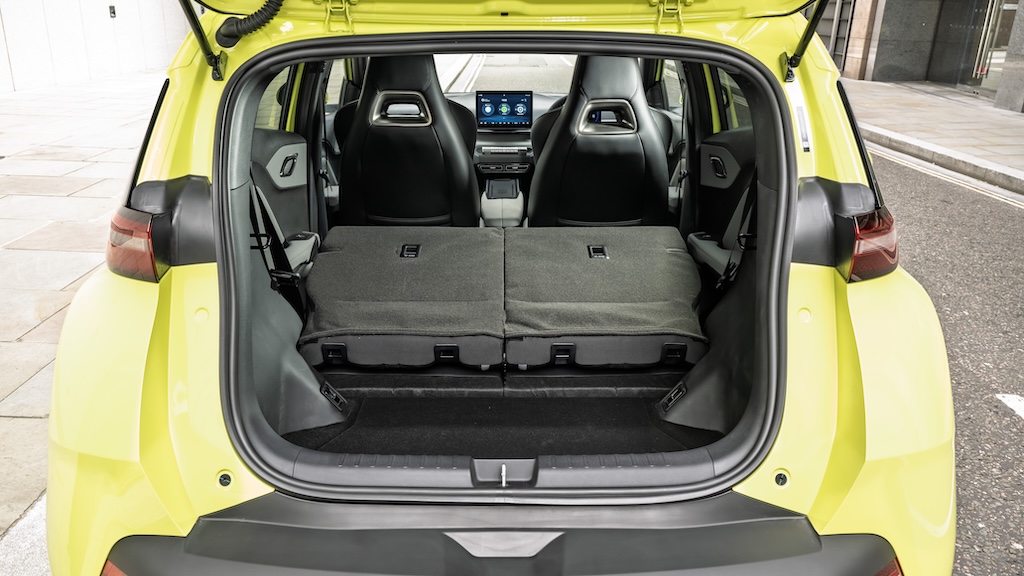
The boot is compact at 308 litres with seats up, which requires some planning for a big weekly shop, though folding the rear seats opens up considerably more load space. Keyless entry and start, rear camera with three parking sensors, and the BYD App for remote monitoring and pre-conditioning round out a well-considered package.
V2L: more than a gimmick
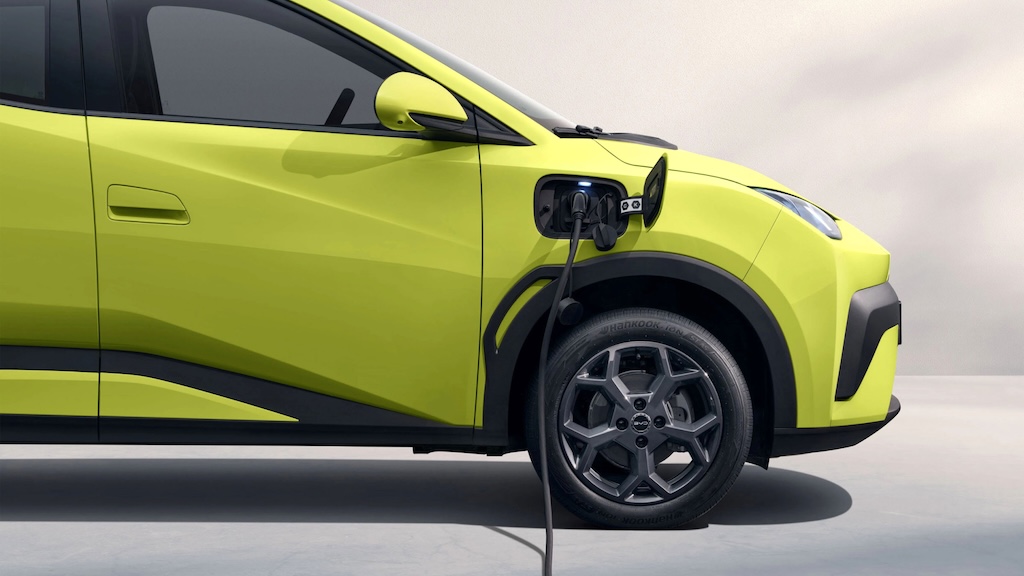
Vehicle-to-Load (V2L) capability is standard on the Dynamic, and in the South African context it deserves more than a bullet point. The Surf can power external devices directly from its traction battery via an adapter at up to 3.3 kW, which means it can run a television, a fan, several LED lights, a router, and a laptop simultaneously during a load-shedding outage. The connection point is accessible from the exterior, and BYD supplies the connector at no cost (this might change) with the purchase.
For commuters who arrive home with 60 or 70 percent battery remaining, this turns the Surf into a modest backup power source at no additional infrastructure cost. It will not replace a dedicated home battery, but for a stage 2 or stage 3 outage it is a genuinely useful feature, and one that BYD should be marketing more aggressively in South Africa than it currently does.
The battery underneath it all
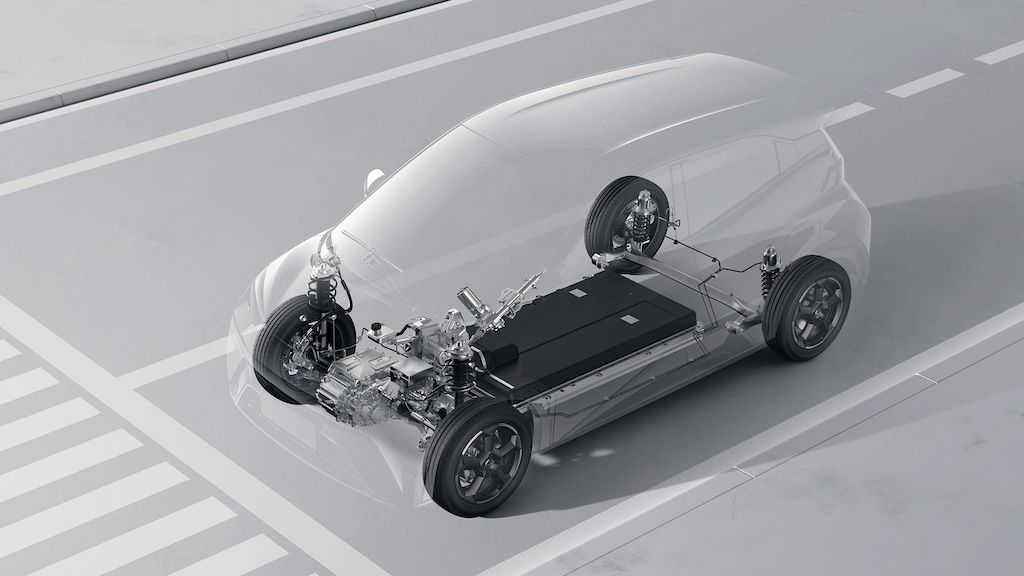
The Blade Battery in the Surf uses lithium iron phosphate chemistry in a cell-to-pack arrangement that eliminates the conventional module structure found in most EV batteries. This reduces weight, improves energy density, and simplifies the thermal management system. More importantly, it removes a key fire risk: without the inter-module connections that can fail under impact, thermal runaway becomes substantially harder to trigger.
The battery has passed nail penetration tests without its surface temperature exceeding 60 degrees, a benchmark that has become a meaningful differentiator in a market increasingly aware of EV fire incidents. The 8-year/200 000 km battery warranty reflects BYD’s confidence in the chemistry and design.
Charging and range
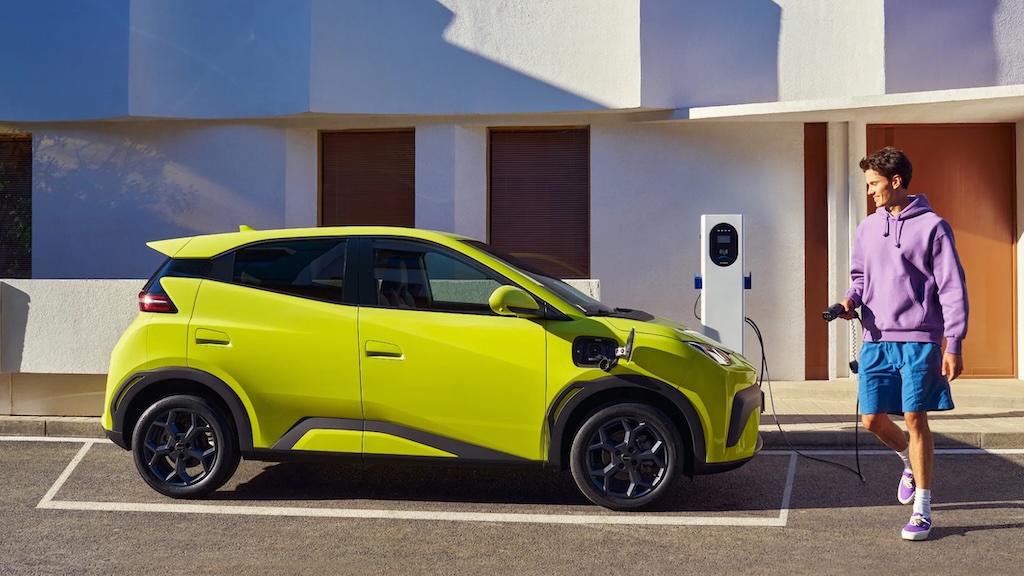
The Dynamic charges at up to 40 kW DC, which is modest by current standards but workable for daily top-ups. From roughly 20% to 80% of the 38.88 kWh battery, you are looking at approximately 30 minutes at a public fast charger. On AC, the onboard charger handles 6.6 kW, making a home wallbox the sensible companion.
The Surf Dynamic’s official range is 295 km. In real-world conditions, our test car showed an incoming average consumption of around 18 kWh/100km, reflecting the typically heavy hooves of press-fleet driving. Sensible driving, mostly in town, should reduce that to around 15 kWh/100km, putting genuine range above 300 km.
Ground clearance is 120mm, which is sufficient for typical urban surfaces and speed humps but not intended for gravel detours. There is no spare wheel, but a tyre repair kit is included.
Safety
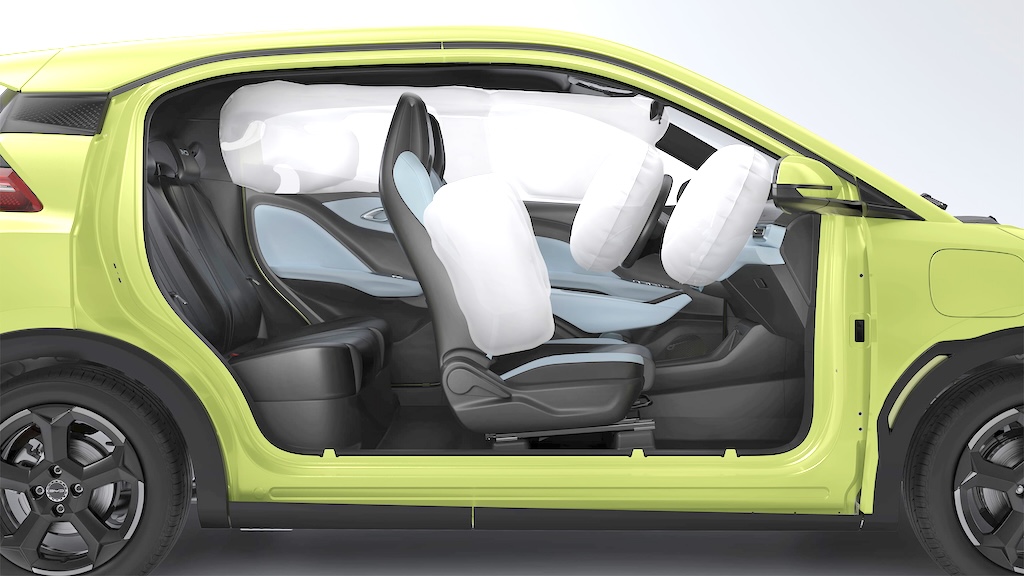
The Dolphin Surf earned a five-star Euro NCAP result in 2025, with 82% for adult occupant protection, 86% for child occupants, 76% for vulnerable road users, and 77% for safety assist. These are strong scores in the compact class, and the automatic emergency braking system performed particularly well in cyclist and motorcyclist detection. Six airbags are standard on the Dynamic, alongside ABS, electronic stability control, traction control, hill-start assist, and auto hold.
How it compares
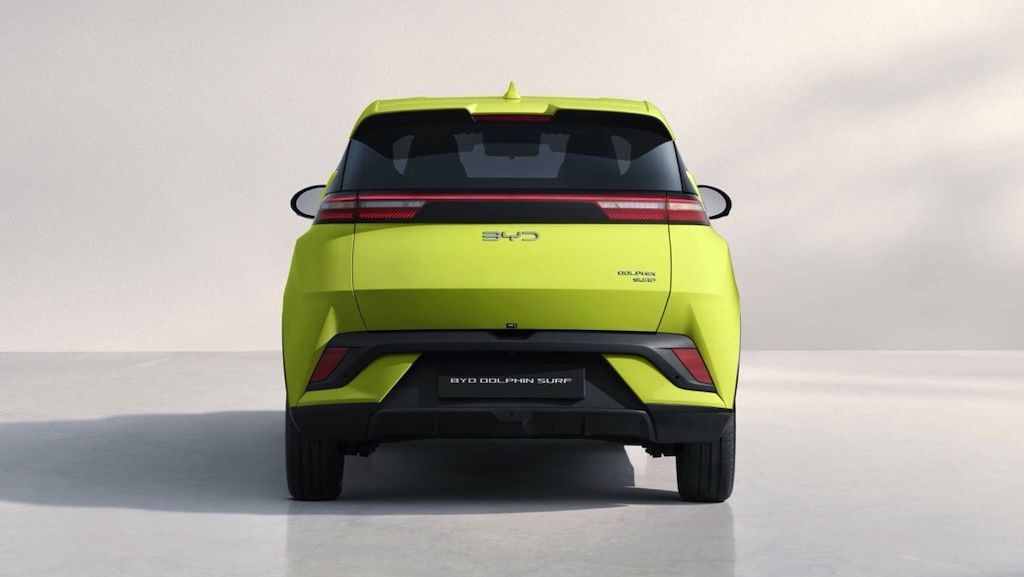
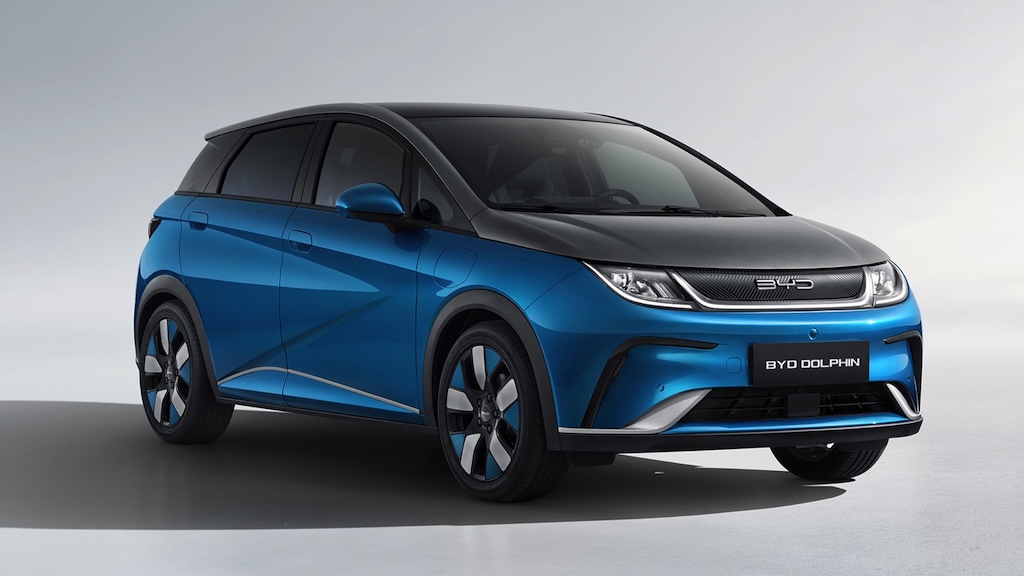
The natural comparison is with the standard BYD Dolphin Dynamic Standard Range (pictured below) at R539 900. For R146 000 more you get 70 kW and 180 Nm, a 0-100 km/h time of 12.3 seconds, and a significantly larger body with a 2 700mm wheelbase. The Dolphin is the more capable car on an open road, with a claimed range of 340 km. The Surf makes the argument on price, agility, and urban practicality.
Against the Dongfeng Box
The more pointed external rival is the Dongfeng Box, with a starting price of R459 000 for the E1 330. The Box is a larger car: 4 020mm long on a 2 663mm wheelbase, with 70 kW and 160 Nm and a 140 km/h top speed. On paper it looks like the stronger proposition, but it’s not that simple.
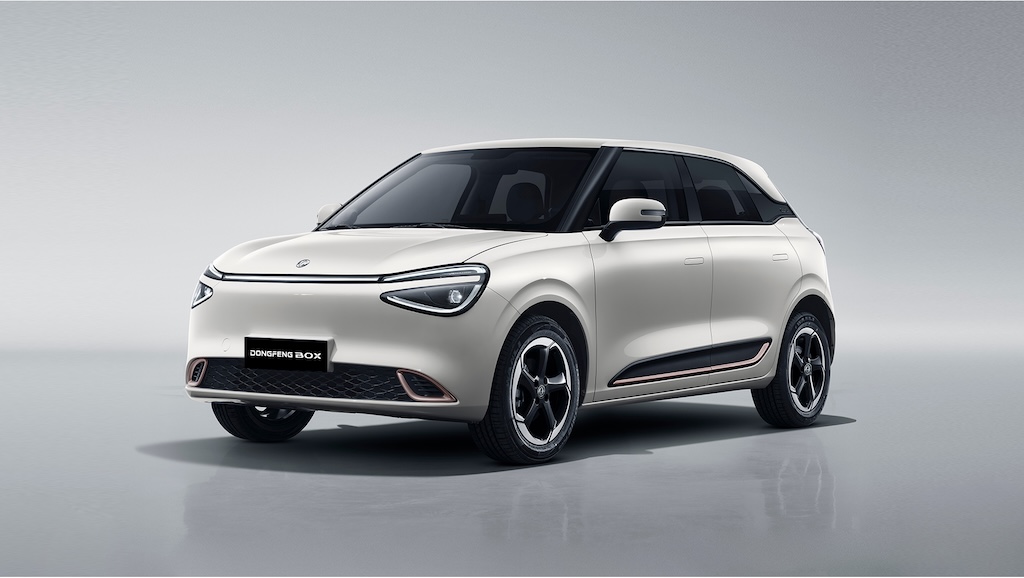
When Euro NCAP tested the Box in October 2025, it awarded three stars. During the frontal offset crash test, multiple spot welds failed on the body shell, compromising structural integrity. An airbag deployed with insufficient pressure, and the doors jammed after the impact, obstructing rescue access. The organisation awarded the Box just 69% for adult occupant protection.
Euro NCAP noted in its release that other affordable EVs, including the Dolphin Surf, had achieved four or five stars, highlighting the safety gap. The SA-market Box, based on the specification data available, comes with only two airbags, compared to six on the Surf Dynamic. The three-star result was achieved on the European specification with six airbags. The SA-spec car has not been independently tested.
The Dongfeng also lacks V2L capability on any variant, which in the South African load-shedding context is a meaningful omission. The Box does offer a better vehicle warranty, five years and 150 000 km against the Surf’s three years and 100 000 km, and its service plan runs to five years and 100 000 km rather than three and 60 000 km. Both carry an eight-year battery warranty.
For buyers prioritising interior space and outright performance, the Box makes a case. On safety credentials, load-shedding utility, and price, the Surf Dynamic at R393 900 is the harder car to argue against.
Really cheap fuel
This is where the Surf makes its most compelling argument. With 95 unleaded petrol at R22.53 per litre on the coast and R23.36 inland from April 2026, a typical small petrol hatchback consuming 7 litres per 100km costs around R1.58 per kilometre at the coast, or R1.64 inland. The Surf, drawing roughly 15 kWh per 100km and charged at home at approximately R3.50 per kWh, costs around R0.53 per kilometre.
Over a standard 20 000 km service interval, that difference adds up to approximately R21 000 saved at the coast, or R22 200 inland. In three years and 60 000 km, the fuel saving alone approaches R65 000 at today’s petrol price, and that price has just risen by R3.06 in a single month.
Ownership costs
The Dynamic comes with a 3-year/60 000 km service plan and a 3-year/100 000 km vehicle warranty. The battery warranty extends to 8 years or 200 000 km. Service intervals are set at 20 000 km. For a buyer moving from a petrol city car, the combination of lower fuel costs, reduced service frequency, and a strong warranty package could make the total cost of ownership argument compelling even before the pump price enters the conversation.
Verdict
The Dolphin Surf Dynamic makes a strong case for itself at R393 900. It is well built, generously specced for the money, safe, and surprisingly spacious inside. The rotating touchscreen is impressive at this price, the V2L feature is useful in the South African context, and the Blade Battery brings a safety and durability pedigree that budget-segment buyers rarely get access to.
The light steering will not suit every driver, and the compact boot is a compromise worth knowing about. But the value proposition is difficult to argue with, and the five-star Euro NCAP result settles the safety question definitively.
Specifications: BYD Dolphin Surf Dynamic
Price: R393 900
Motor: Single permanent magnet synchronous motor, 55 kW, 135 Nm, front-wheel drive
Performance: 0-100 km/h in 15.5 seconds, 130 km/h top speed
Range: 295 km (claimed), 300+ km (real world, urban)
Battery: 38.88 kWh lithium iron phosphate (Blade cell-to-pack)
Charging: 6.6 kW AC, 40 kW DC (20–80% in approx. 30 min)
Consumption: approx. 15 kWh/100km (real world, urban)
V2L: Yes, up to 3.3 kW
Boot: 308–1 037 litres
Safety: Euro NCAP 5 stars (2025)
Warranty: 3 yr/100 000 km vehicle; 8 yr/200 000 km battery
Service plan: 3 yr/60 000 km (20 000 km intervals)
Published 6 April 2026. ©Justus Visagie