
The Alfa Romeo Junior Elettrica Veloce is Alfa Romeo′s first electric performance SUV in South Africa, now priced at R1 019 900 after launching at R900 000 in October 2025. It is beautiful and practical, but difficult to recommend without reservation.
Park the Junior Veloce outside a restaurant at night and people stop walking. A man asked me whether it was a concept car. It is not. It is a front-wheel-drive Stellantis product built in Poland, and that gap between what the Junior looks like and what it actually is turns out to be the whole story.
The Junior is available in two fully electric variants. The entry-level Elettrica delivers 115 kW and 260 Nm, covers 0-100 km/h in 9.0 seconds and offers around 410 km of WLTP range at R819 900. The Veloce tested here is the performance version at R1 019 900, and it is a meaningfully different car in almost every respect. It makes 207 kW and 345 Nm, gets to 100 km/h in 5.9 seconds and tops out at 200 km/h.
The trade-off is range. Where the Elettrica manages around 410 km, the Veloce gives up roughly 80 km for its performance advantage, returning approximately 330 km on a full charge.
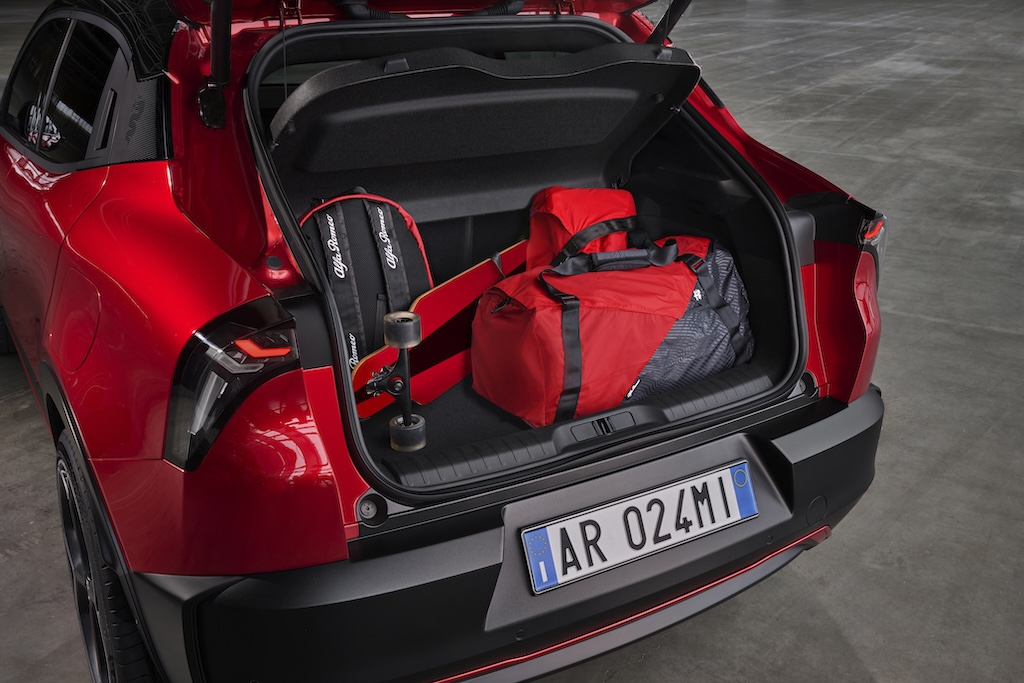
At 4.17 metres long the Junior sits in the premium compact electric crossover segment, rubbing shoulders locally with the Volvo EX30 and Mini Aceman. Boot space of 400 litres is generous by the standards of this class, bettering both the Volvo and the Mini by a comfortable margin. It is, in other words, a genuinely usable urban car, not just a style exercise.
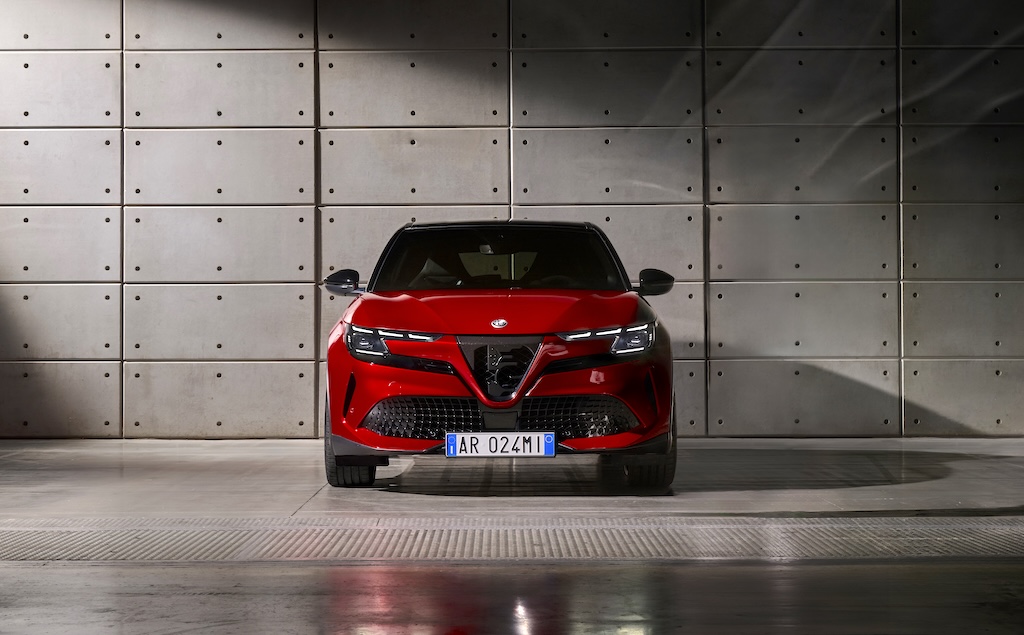
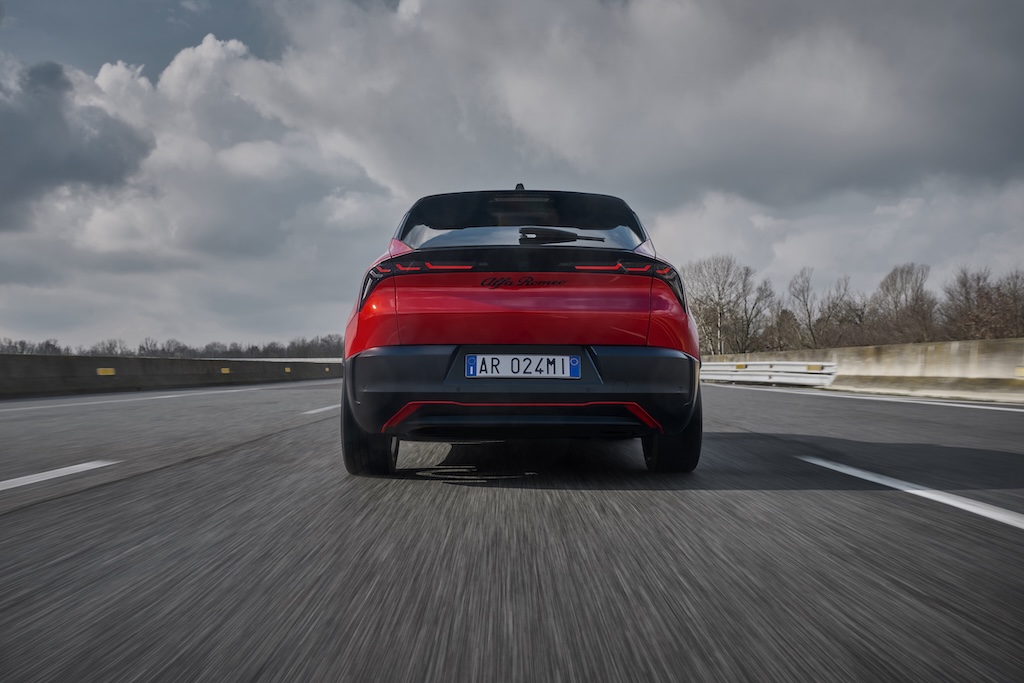
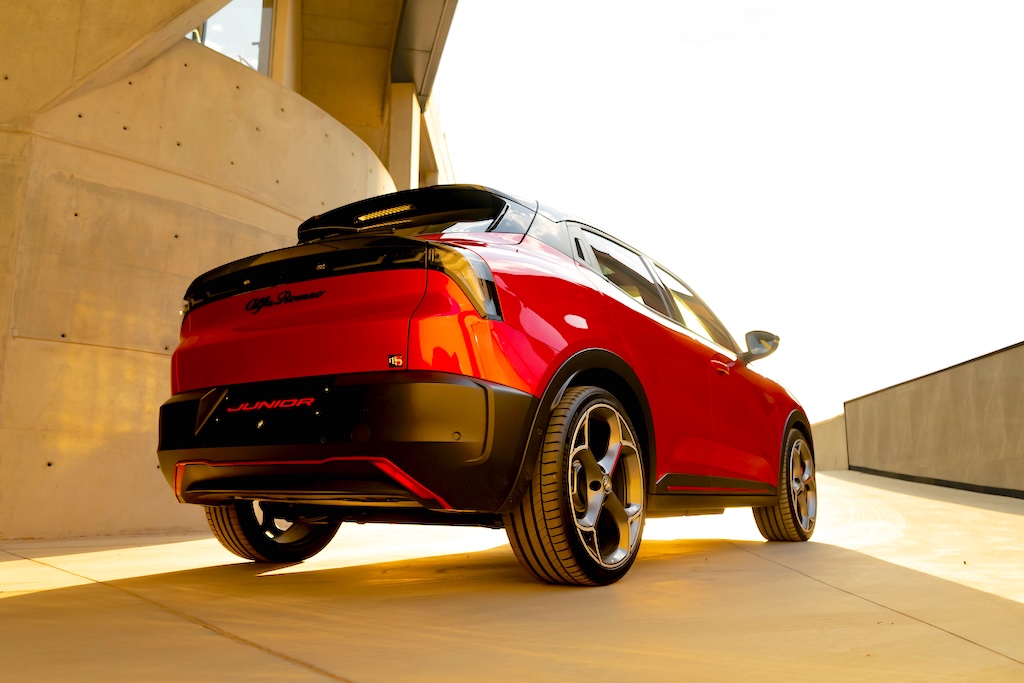
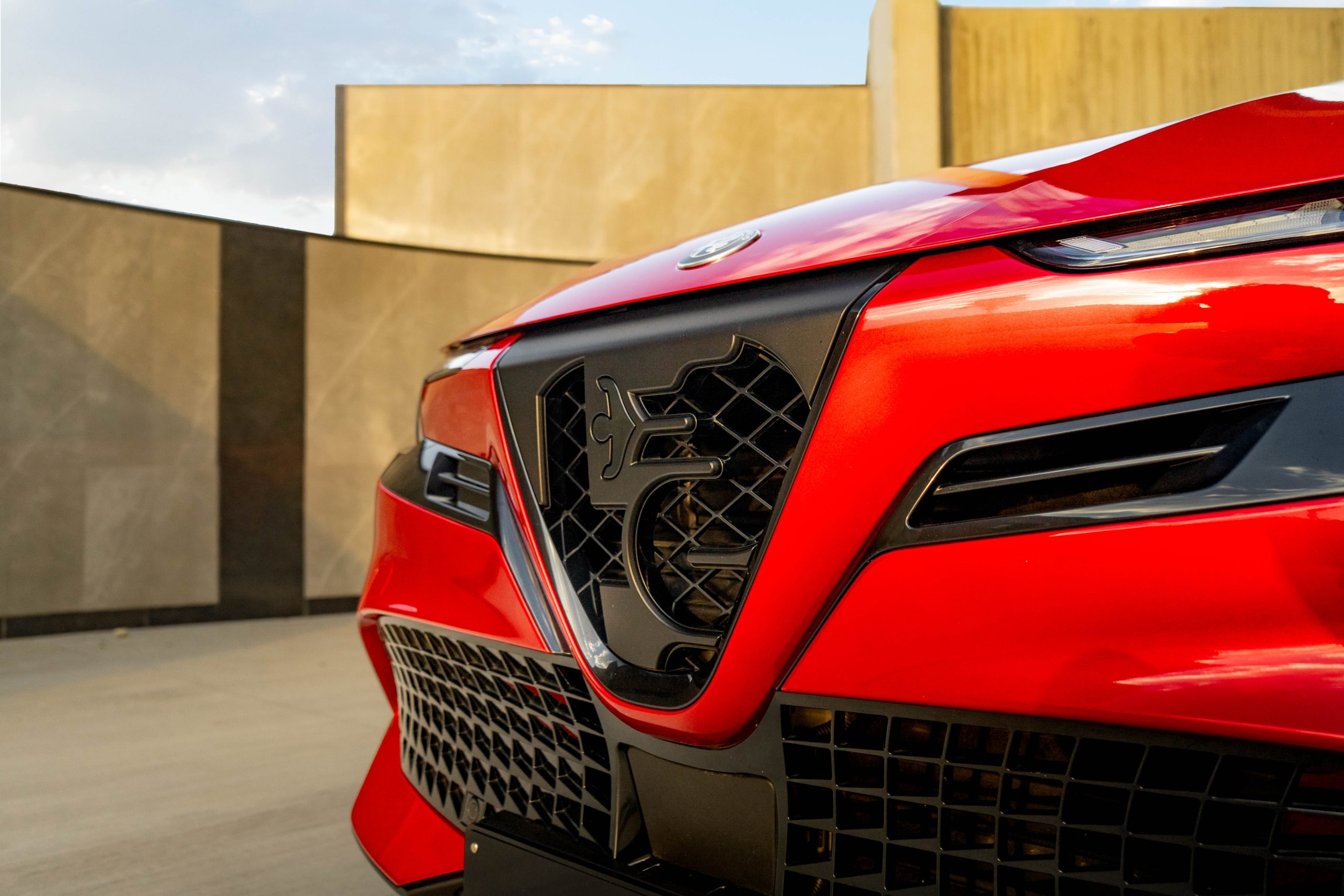
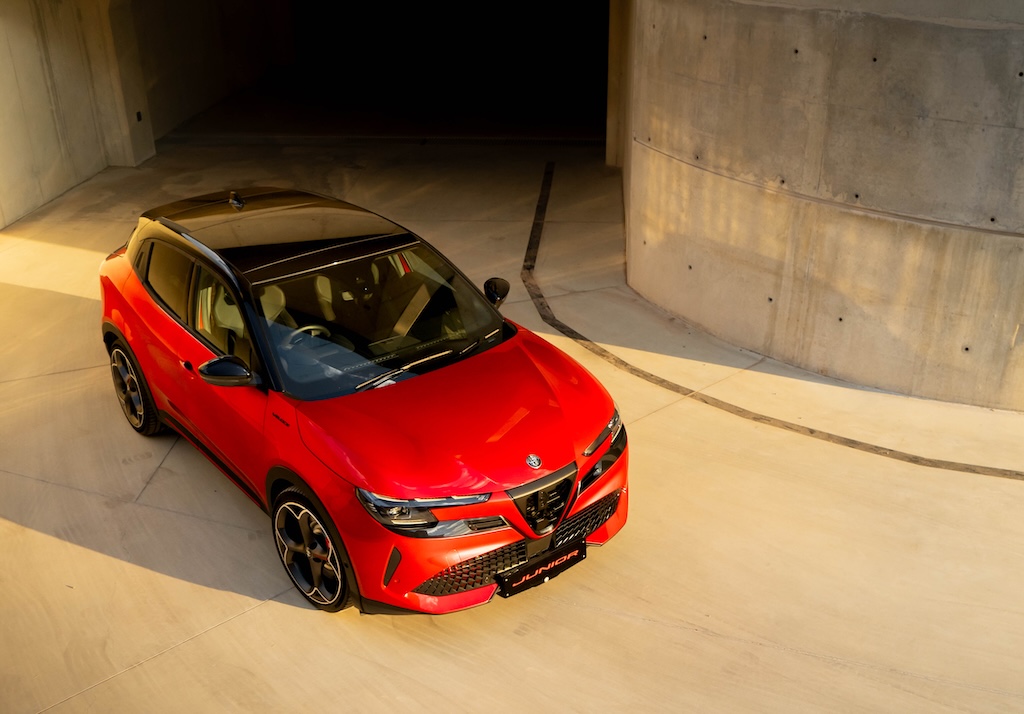
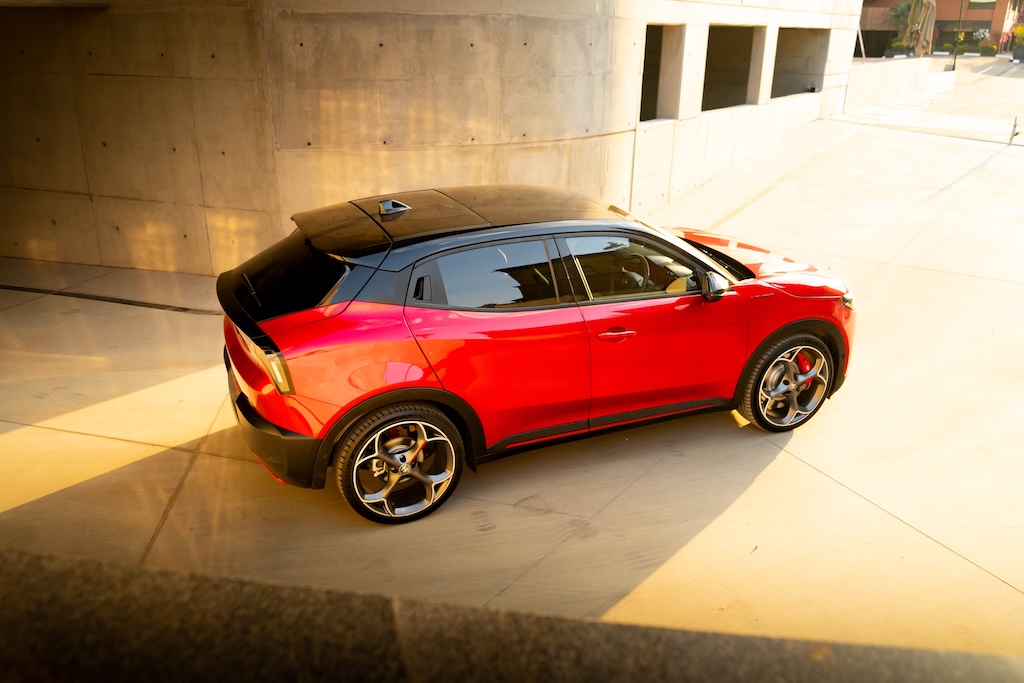
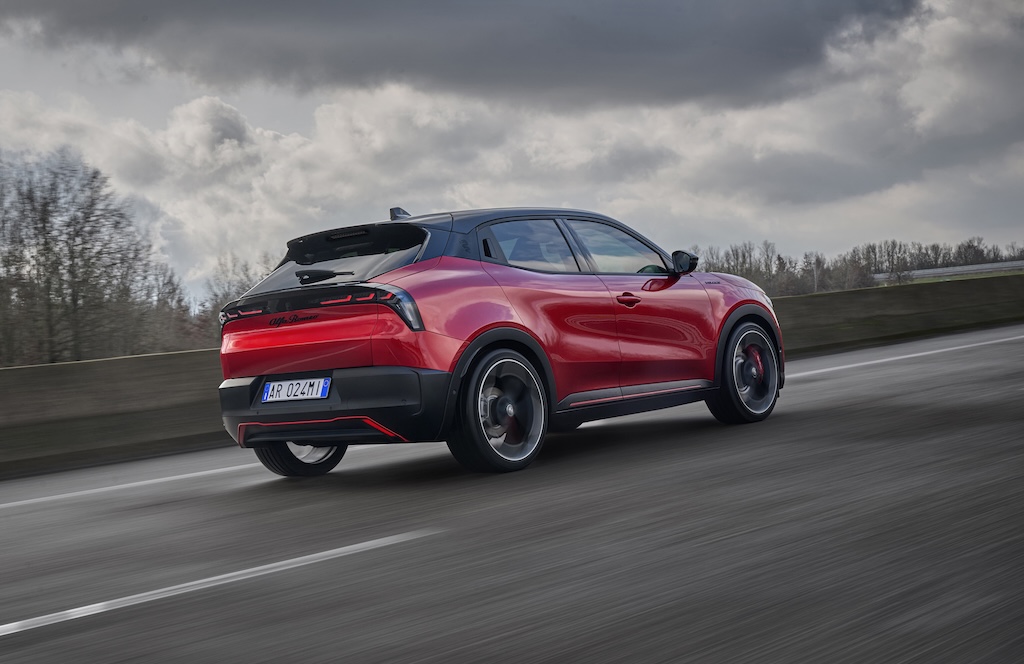
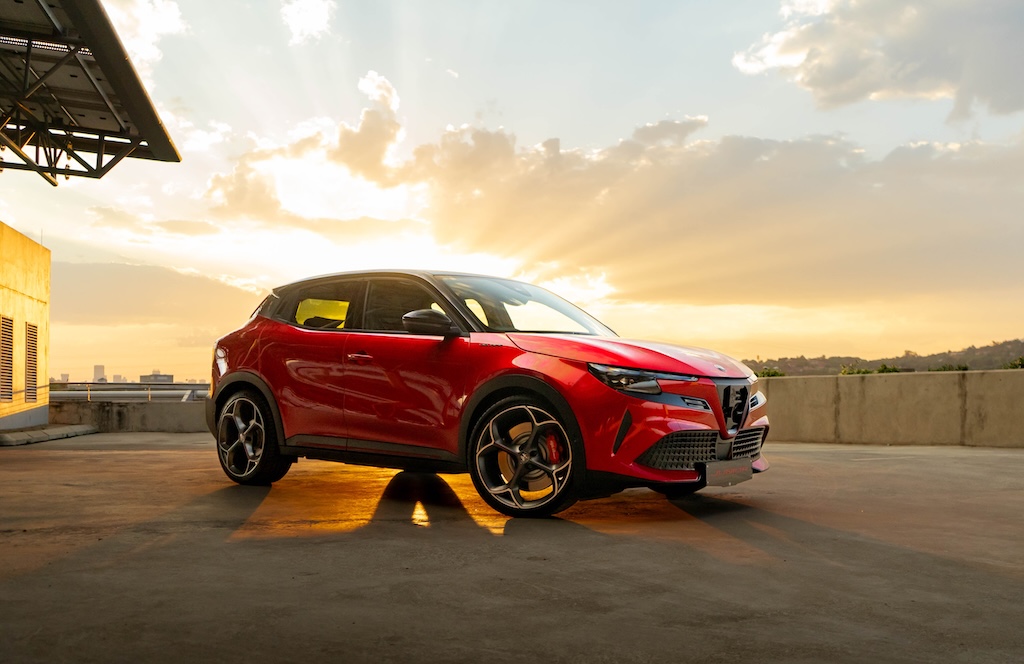
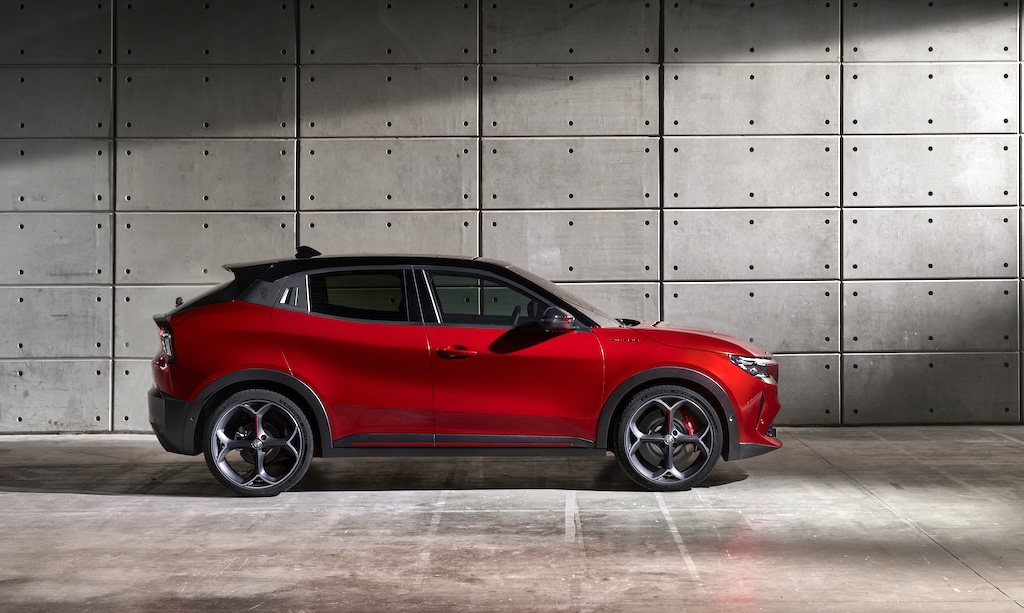
Both variants launched on the back of 22 000 global orders, and the reasons for that interest are obvious the moment you see the car in the metal. The scudetto grille, the wide three-part front end, and that clean-cut tail that slices across the rear. That horizontal crease curving downward at both ends in a way that recalls an Aston Martin more than anything else in the Stellantis catalogue. It is a visual delight.
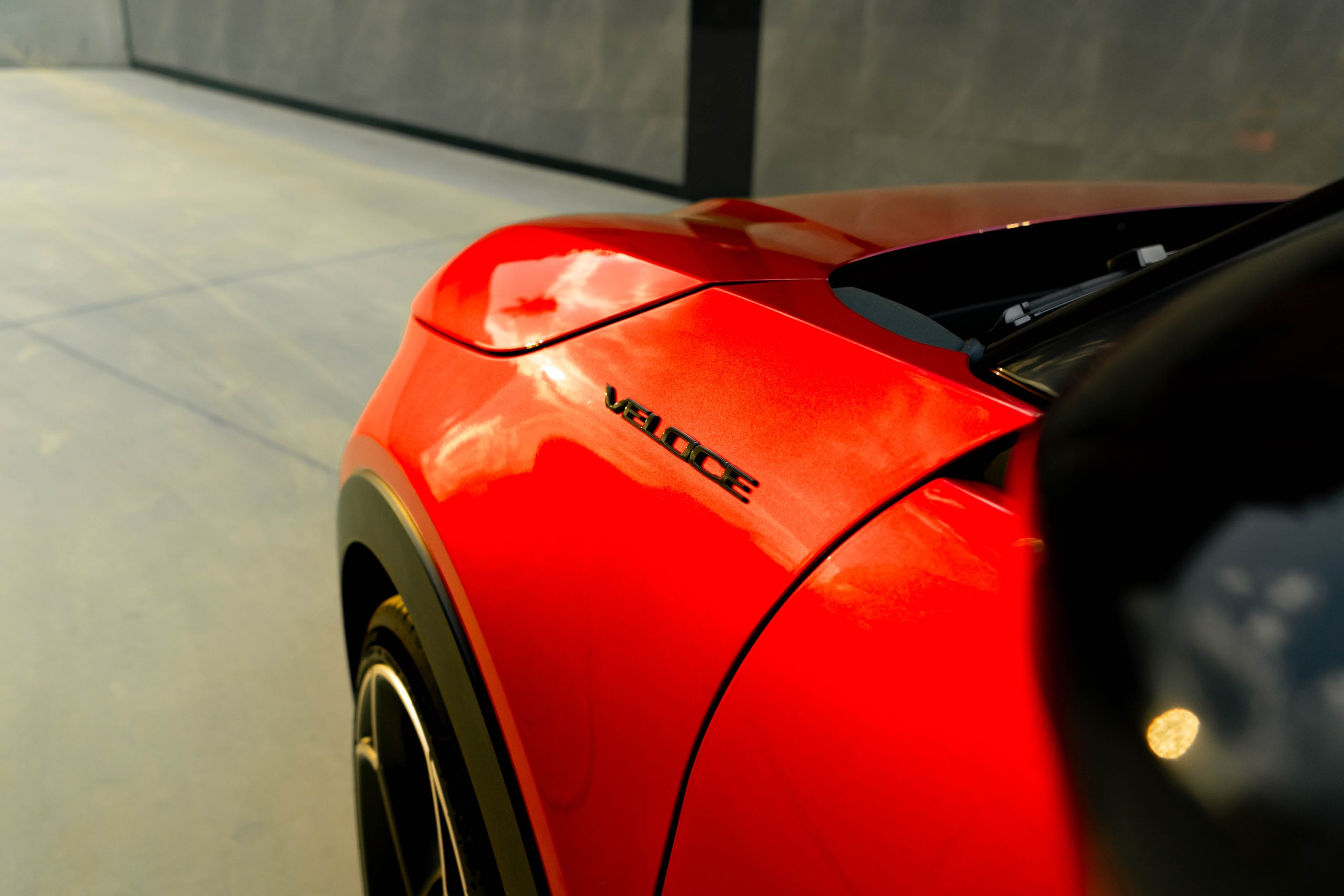
Alfa’s design team has produced something that makes a Porsche Macan look sensible and a Mini Countryman look frumpy. On the Veloce, red brake calipers, 20-inch diamond-cut alloys and Veloce decals on the flanks reinforce the intent without tipping into aggression. The laser-etched biscione serpent emblem on the C-pillar is a nice touch for those who know what they are looking at.
What the engineers got right
The matrix headlights are excellent, adaptive, and precise on dark roads. The throttle mapping is clever, building power progressively in a way that mimics the sensation of revs rising in a normally aspirated engine. More than one passenger commented that it did not feel like an electric car. That is entirely intentional, and it mostly works.
The Junior also hides its weight with unusual success. Almost every EV I have driven carries a sense of mass that sits beneath the surface and undermines dynamic confidence, that slight reluctance to change direction, the sense that physics is working against you. This one does not have it, or not to the same degree. It feels genuinely light on its feet, and that is a meaningful engineering achievement on a platform that underpins a Peugeot family car.
The Alfa DNA driving modes are present and functional. The 207 kW and 345 Nm translate to a 0-100 km/h time of 5.9 seconds, brisk enough to feel urgent without being theatrical. DC charging tops out at 100 kW, and a 20-80% charge takes around 27 minutes on a fast charger, which is acceptable if not class-leading.
The cabin: where the illusion ends
Open the door. Close it. The sound it makes is the sound of a car that costs a third of R1 019 900. It closes with the hollow thud of a budget hatchback from fifteen years ago, and no amount of Italian design language fixes what that tells you about how the car was put together.
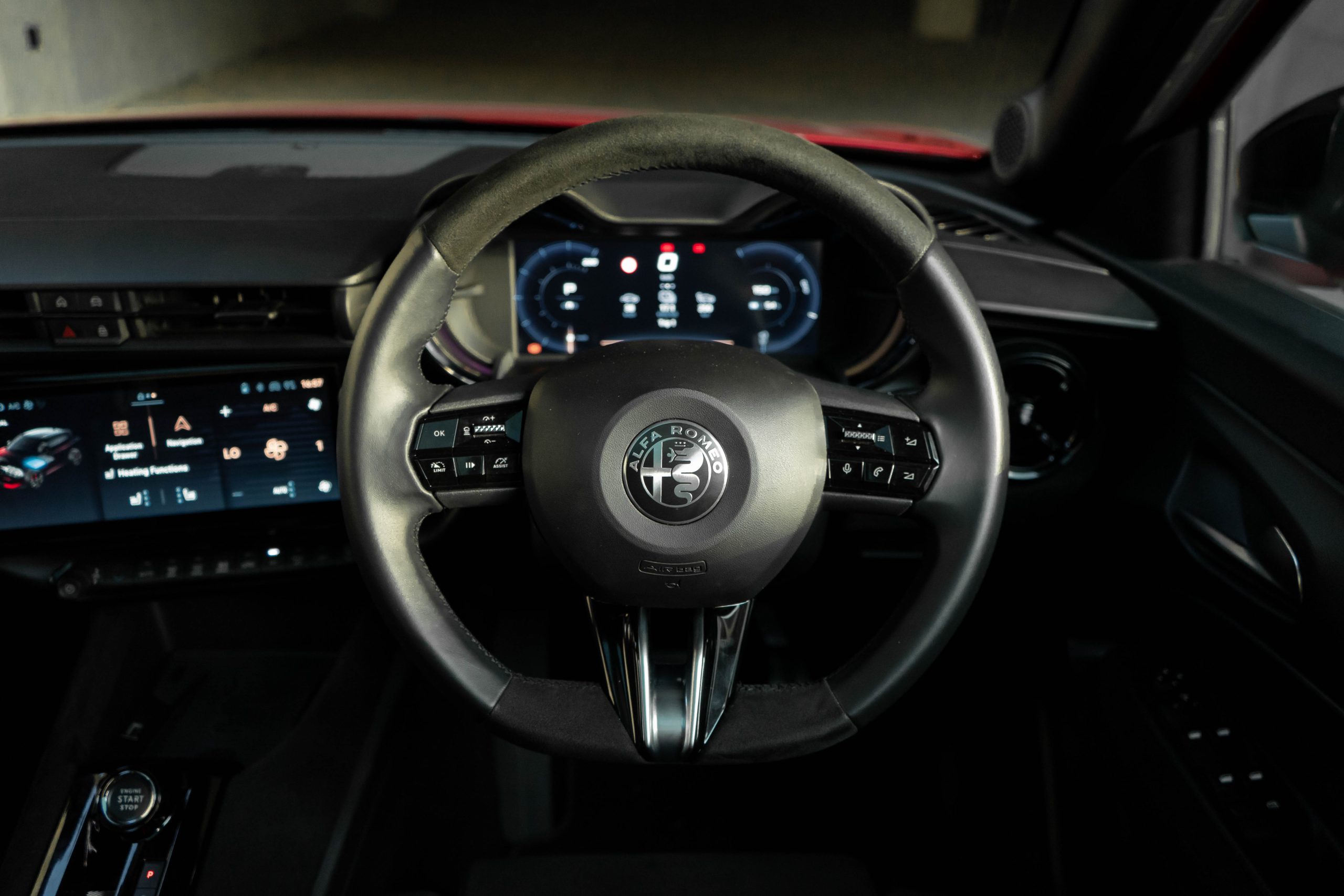
Rap the dashboard. The plastics resonate. They feel cheap because they are cheap, and on a car in this price bracket that is simply unacceptable. It is not a minor detail. It is the first and most persistent thing you feel every time you get in, and it colours everything that follows.
The Veloce’s Spiga seats, a combination of PU leather and fabric in black and red, look reasonably good and offer some lateral support. But they are not premium, and the materials make no effort to pretend otherwise. The door panels match: hard plastic, unremarkable texture, nothing that suggests the price being asked.
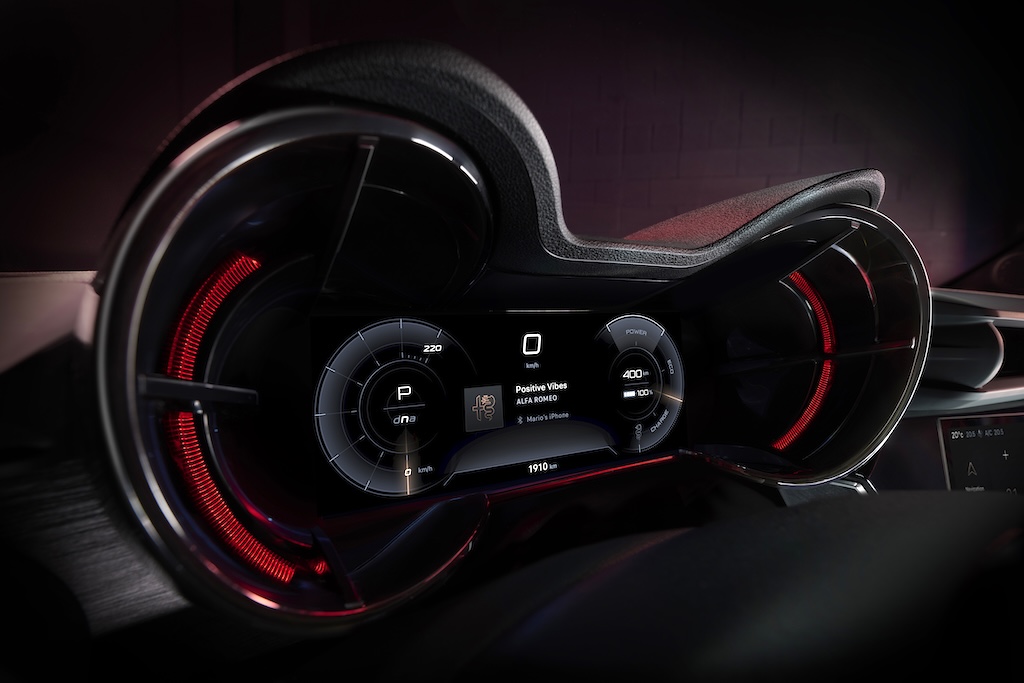
The infotainment is another problem. The 10.25-inch digital cluster and 10.1- inch touchscreen look stylish enough in photographs, but the logic of how they operate is not obvious. I spent most of my test period using Bluetooth because I could not work out how to connect Android Auto.
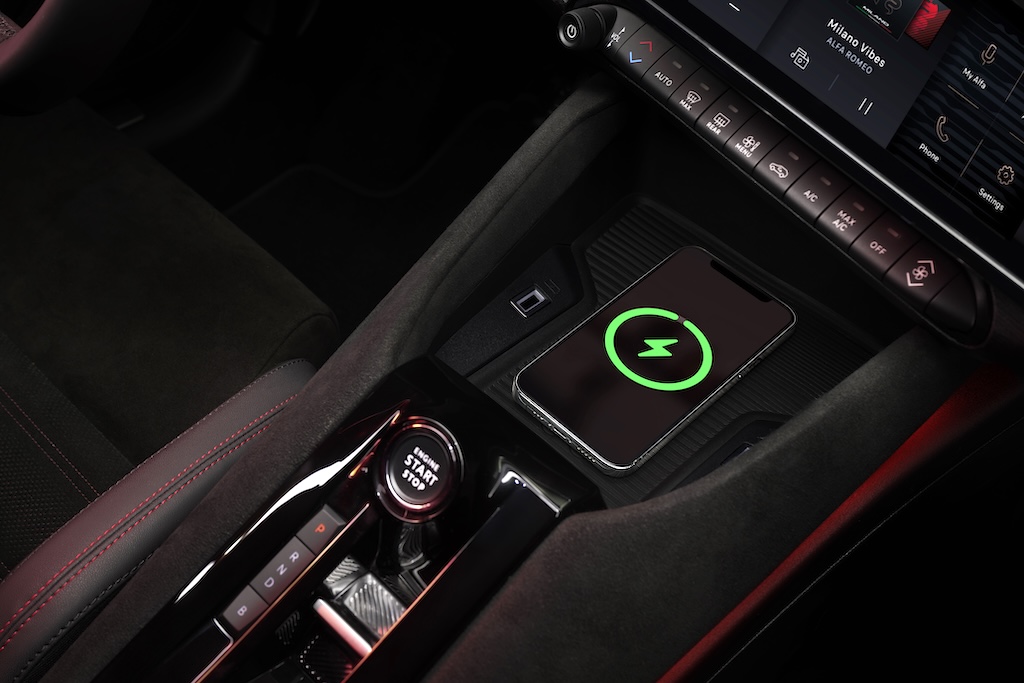
The air conditioning controls are physical, which is the right call in any car, but they feel flimsy and sit at an angle that makes them less accessible than they should be. There is an artificial engine sound piped into the cabin with no obvious way to switch it off. There is equally no obvious way to adjust regenerative braking without hunting through menus, which is an oversight in a car aimed at EV converts.
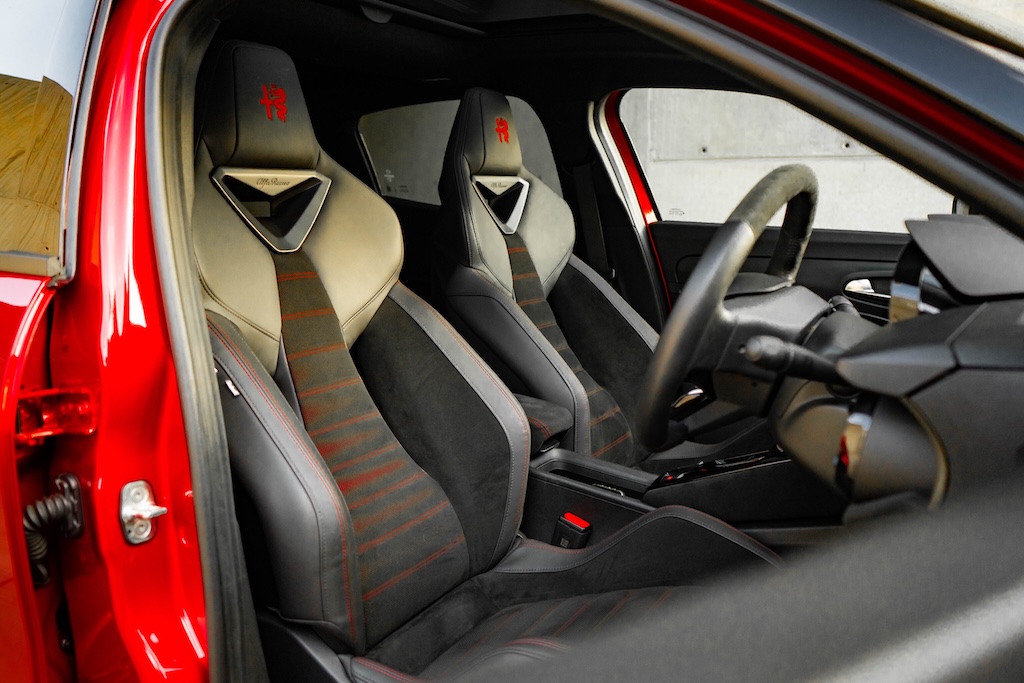
The cabin noise level is also higher than expected. Road and tyre noise intrude in a way that undercuts the sense of refinement.
The driving: almost, but not quite
The Junior does handle well, up to a point, and on flowing roads there is genuine agility, a willingness to change direction that sets it apart from the platform it shares with its Stellantis siblings.
Push it into a corner with real intent and two things happen. First, the steering empties of all feeling. It becomes a pure direction-input device, communicating nothing about grip, load, or limit. This is not a problem unique to the Junior among EVs, but it is particularly disappointing in a car sold on driver engagement.
Second, the front wheels, channelling 207 kW and 345 Nm through a single axle, begin to fight the steering. Torque steer is not subtle here. It tramlines. It pulls. It interferes. Front-wheel drive and serious power can coexist, as Honda has demonstrated convincingly with the Civic Type R, but that takes engineering commitment that is not fully evident in the Veloce. For a brand whose identity is built on the premise that driving should be rewarding, this is the most damaging shortcoming of all.
The R1 019 900 question
Alfa Romeo is already a niche proposition in South Africa. The Junior is a niche within that niche, a premium compact electric SUV from a brand most local buyers associate with the Giulia and Stelvio rather than small crossovers. The car was named a semi-finalist in the 2026 South African Car of the Year competition, which speaks to the genuine interest it has generated among the country’s motoring press.
At this price, the competition is unforgiving. The BMW iX3 steers with more conviction and feels more cohesively engineered. A growing range of well-sorted Chinese alternatives may lack the badge but not the fit and finish. The Junior needs to justify itself on something more than looks alone.
It cannot. The exterior is extraordinary, and the weight-hiding dynamics are genuinely impressive. The rest of the package, the door sounds, the dashboard plastics, the torque steer, the inscrutable infotainment, belongs on a car that costs considerably less.
Alfa Romeo set out to build an electric car that did not feel like an electric car. In some respects, they succeeded. What they built instead is a beautiful car that does not feel like a R1 019 900 car. That is a different problem, and a harder sin to forgive.
Price: R1 019 900
Motor: Single permanent magnet synchronous motor, 207 kW, 345 Nm, front-wheel drive
Performance: 0-100 km/h in 5.9 seconds, 200 km/h top speed
Range: ~330 km (WLTP)
Battery: 51 kWh usable (54 kWh gross), lithium-ion NMC
Charging: 11 kW AC, 100 kW DC (20-80% in approx. 27 min)
Consumption: 17.9 kWh/100 km (WLTP)
Boot: 400 litres (1 265 litres with rear seats folded)
Safety: Euro NCAP: to be tested
Warranty: 5 yr/100 000 km vehicle; 8 yr/160 000 km battery
Service plan: 5 yr/100 000 km (25 000 km intervals)
Published 30 July 2026. ©Justus Visagie | Pictures by Alfa Romeo