
Spoilt by petrol attendants, South Africans start their EV journey a step behind. This guide closes the gap, from wallboxes and charging apps to what it really costs.
For as long as most of us can remember, refuelling a car in South Africa has meant pulling onto a forecourt, asking the attendant to fill it up and paying before you’ve had a chance to stretch your legs. Five minutes, and you’re back on the road.
Charging an electric vehicle (EV) is a different routine. Most of the time you’ll plug in yourself, and the car will stay connected for anything from 15 minutes to a whole night.
Drivers in Europe, the US or Australia at least arrive at their first EV after years of pumping their own fuel. South Africans, long spoilt by forecourt attendants, start a step behind.
The good news is that the learning curve is short. This guide covers everything from the plug on your garage wall to the etiquette at a busy highway charger.
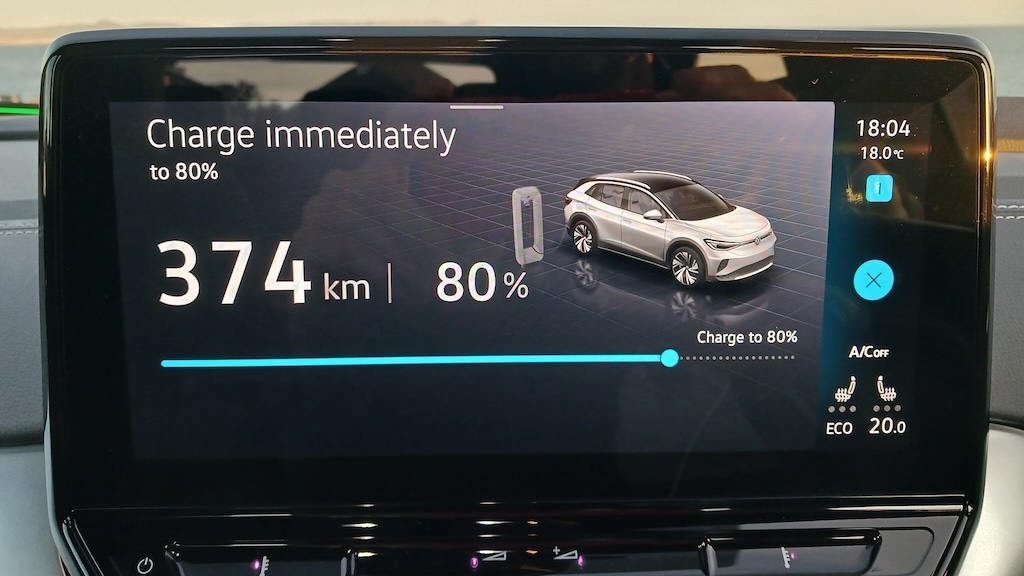
AC vs DC: faster is lekker, but not always better
Two kinds of electricity can charge an EV: alternating current (AC) and direct current (DC).
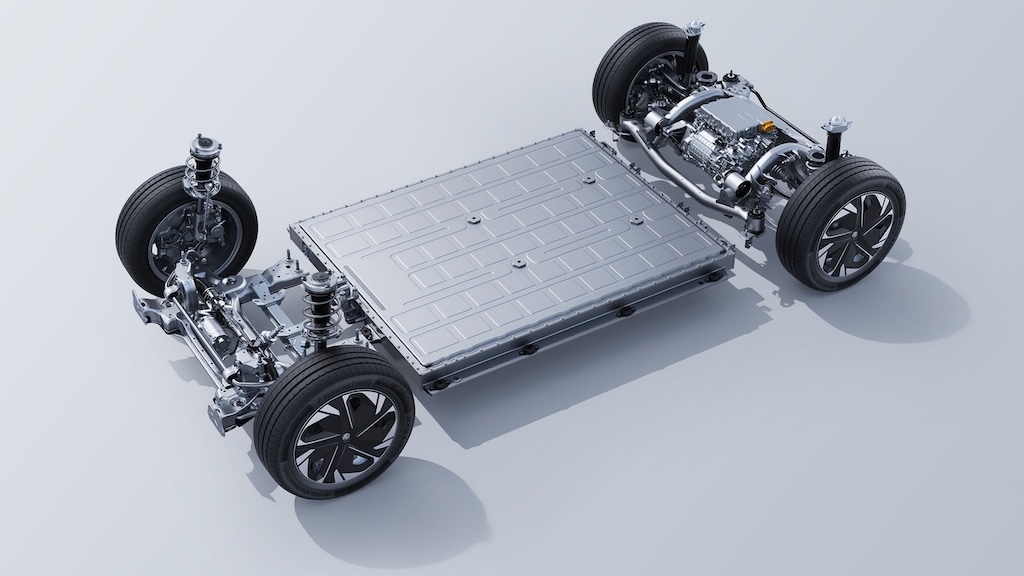
Your car’s battery stores DC, but the grid supplies AC. When you plug into an AC charger, a converter inside the car, called the onboard charger, turns AC into DC before it reaches the battery. The size of that onboard charger sets the car’s maximum AC charging speed.
Bigger onboard chargers cost more, so affordable models usually get smaller ones. Most entry-level EVs accept 6.6 kW to 7.4 kW on AC, many mid-range models take 11kW, and a select few accept 22 kW, the ceiling for AC charging. Anything above 7.4 kW needs a three-phase supply, which most South African homes don’t have.
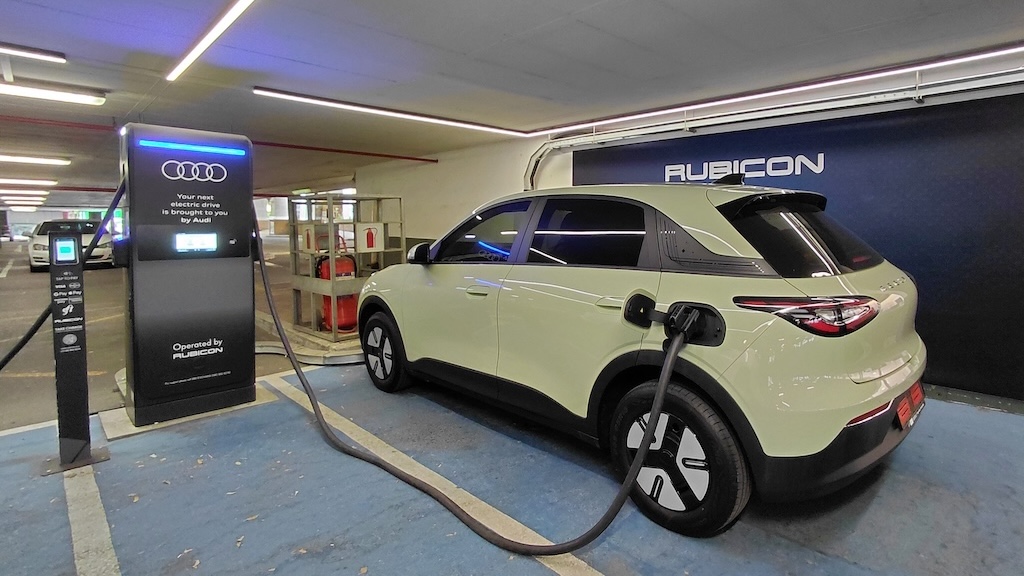
How AC charging works
To estimate how long a full charge will take, divide the battery’s capacity in kilowatt-hours (kWh) by the charging rate in kilowatts (kW). A Geely E2 has a 39.4 kWh battery and charges at up to 6.6 kW on AC in practice, so in theory it would go from empty to full in just under six hours.
In practice it takes about six and a half hours. Some energy is lost as heat, and charging slows down as the battery approaches full.
When to use DC fast charging
DC chargers skip the onboard charger. The conversion happens inside the charger cabinet, and DC flows straight into the battery pack, which is why DC charging is so much faster.
The speed you actually get is whichever is lower: what the charger can deliver or what your car can accept. A small EV limited to 40 kW gains nothing from a 120 kW unit. The peak rate is also only available across part of the battery’s state of charge (SoC), usually from low levels to around half full. Above 80%, charging slows sharply, just as it does on AC.
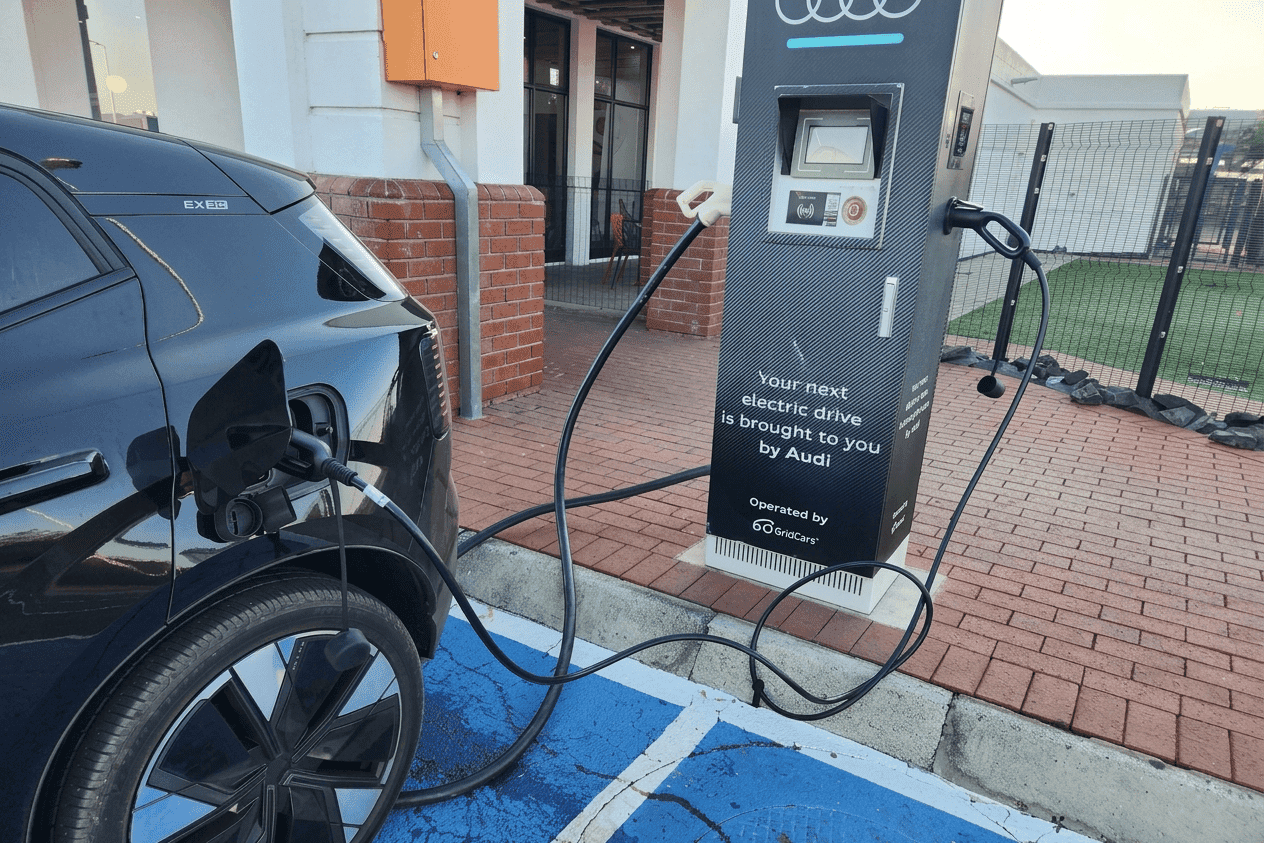
DC charging is also more expensive. On the two biggest networks, GridCars and Rubicon, DC charging costs about R7.00 to R7.50 per kWh and AC about R5.88, against roughly R3 to R5 per kWh at home, depending on your municipality. Prices vary from charger to charger, and new operators are entering the market, so check the rate in the relevant app before you plug in.
Does fast charging hurt your battery?
Frequent DC fast charging can also wear a battery faster, because it generates more heat, though how much is debated. A 2025 study by telematics firm Geotab, covering more than 22 700 EVs, found that vehicles using DC fast chargers for more than 12% of their charging lost about 2.5% of battery capacity a year, against 1.5% for those that rarely fast-charged. Regular use of chargers above 100 kW pushed that to 3%.
An earlier study by battery analytics company Recurrent, of more than 12 500 Teslas, found no statistically significant difference between cars that fast-charged almost exclusively and those that seldom did. Either way, the batteries in both studies held up well, and occasional fast charging on a road trip is nothing to worry about. Day to day, though, AC charging is cheaper and gentler.
Charging at home
Home is where most EV charging happens. Most daily driving uses a small fraction of the battery, so plugging in overnight, a few times a week, covers the typical commute. There are two ways to do it.
Portable chargers
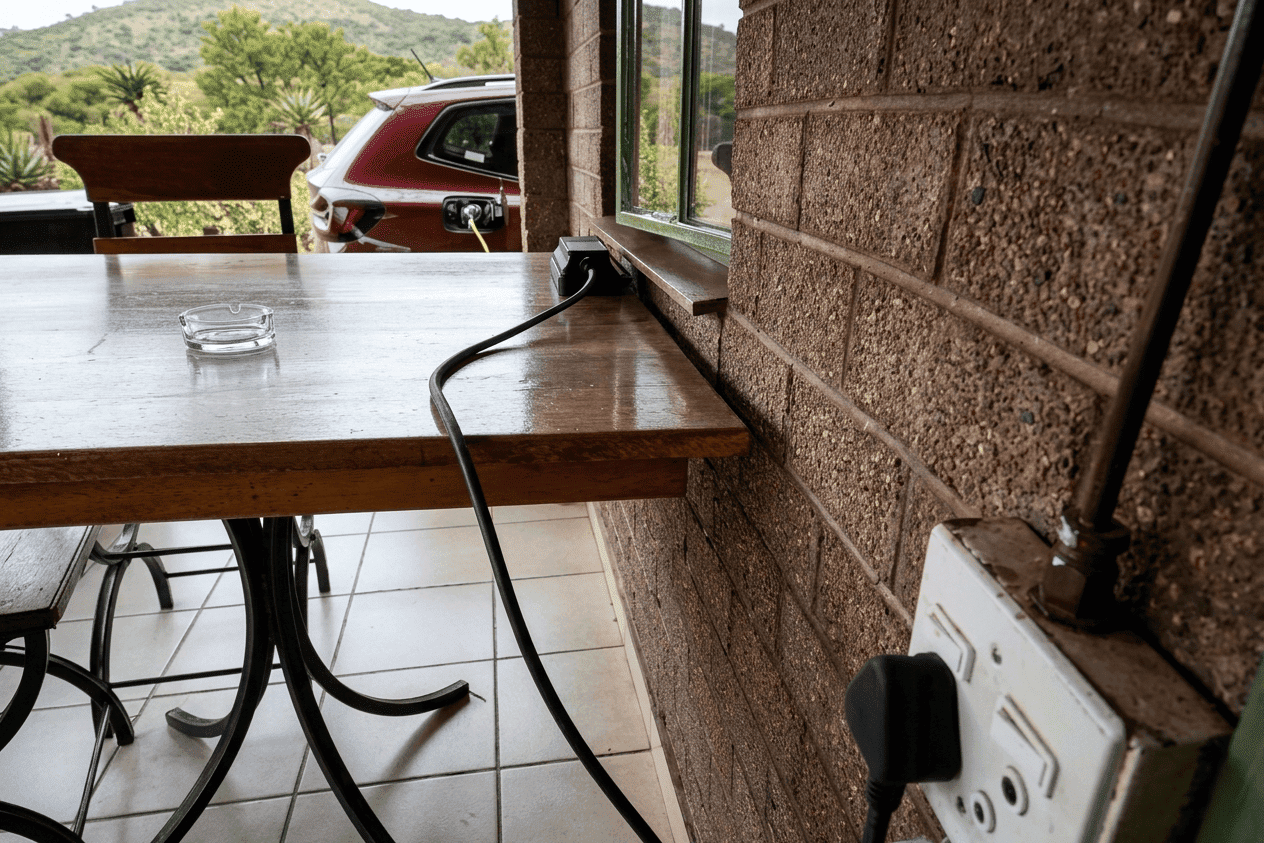
A portable charger, often called a granny charger (shown above), plugs into an ordinary three-pin wall socket. At a 16A socket’s limit it delivers up to 3.7 kW (though some factory-supplied cables cap out at 10A or 12A, around 2.3kW to 2.8kW), enough to charge the E2 from empty in around 11 to 12 hours at full power. A mid-sized EV with a 60 kWh to 80 kWh battery would get back about half to three-quarters of its charge over a 12-hour night. That is still plenty for most drivers, since few of us use anything like our full range in a day.
Installing a home wallbox
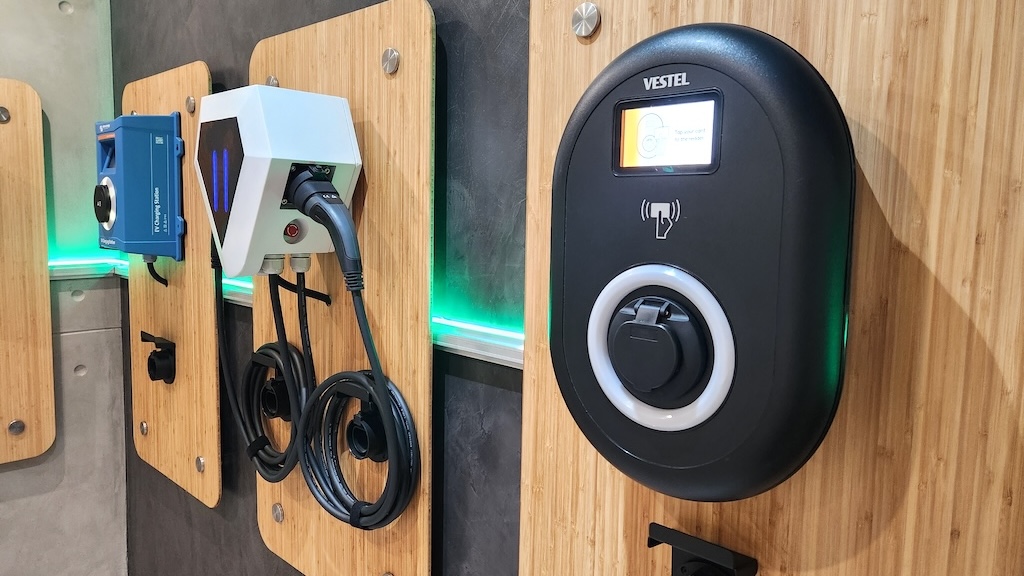
A wallbox (examples above) is a wall-mounted unit wired into its own circuit from your distribution board. On a normal single-phase supply it delivers up to 7.4 kW, enough to fully charge most EVs overnight. Most manufacturers include a wallbox in the price of the car, so you may only pay for installation, roughly R6 000. Use a trustworthy, registered electrician, who must issue an electrical certificate of compliance (CoC) when the job is done.
If you need to buy a wallbox, budget R7 000 to R13 000. If your home has three-phase power, get a unit that can deliver 22 kW. It will charge your current car at whatever rate it accepts, and a future car at up to 22 kW if it can take it. Choose a smart charger, which lets you schedule charging, track how much energy you use and, in many cases, charge from rooftop solar, rather than a basic unit that simply switches on.
Strictly speaking, neither is a charger. The real charger is the onboard unit in the car; wallboxes and portable units are supply equipment that manage power safely and tell the car how much current it may draw. Everyone calls them chargers, though, and so will we.
Charging from solar or off-peak tariffs
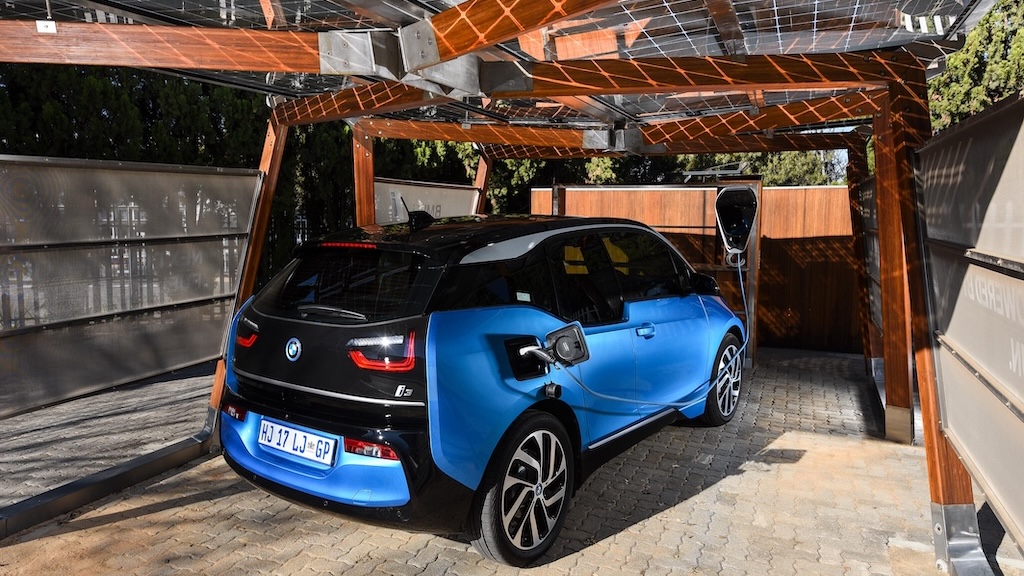
If you have rooftop solar, a wallbox with a solar or scheduling mode lets you charge largely from your own panels during the day. If you’re on a time-of-use tariff, schedule charging for cheaper off-peak hours.
Plugs, cables and paying
Type 2 is the standard AC connector on every EV and plug-in hybrid sold new in South Africa.
CCS2 (Combined Charging System) is the DC standard. It is a Type 2 plug with two large DC pins underneath, and the car’s CCS2 inlet accepts both.
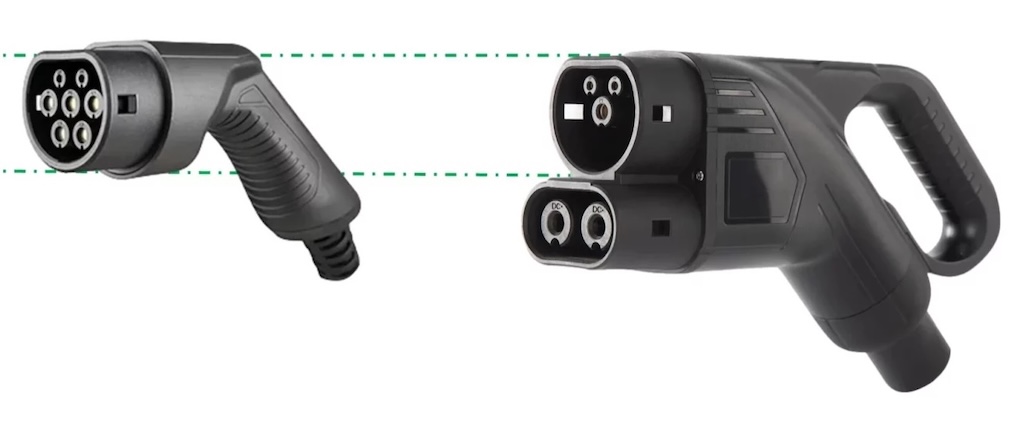
DC chargers always have their own cables. Some public AC chargers do too, but many offer only a socket, and you’ll need your own Type 2-to-Type 2 cable to use them (see the road-trip kit below).
Most public chargers are started through the operator’s app or an RFID card linked to your account, and some newer sites accept QR codes. Rubicon accepts credit-card payment at some of its chargers, and Conduit Energy takes bank cards through its web app, with no account needed, as do a handful of other new, smaller operators. Either way, set up your accounts and payment details at home before a trip, not at a remote charger with one bar of signal.
From pump to plug: what it costs
The average South African car uses about 7.4 litres of fuel per 100km, according to the International Energy Agency. At November’s inland price of R30.24 a litre for 95 unleaded, that is about R224 per 100km.
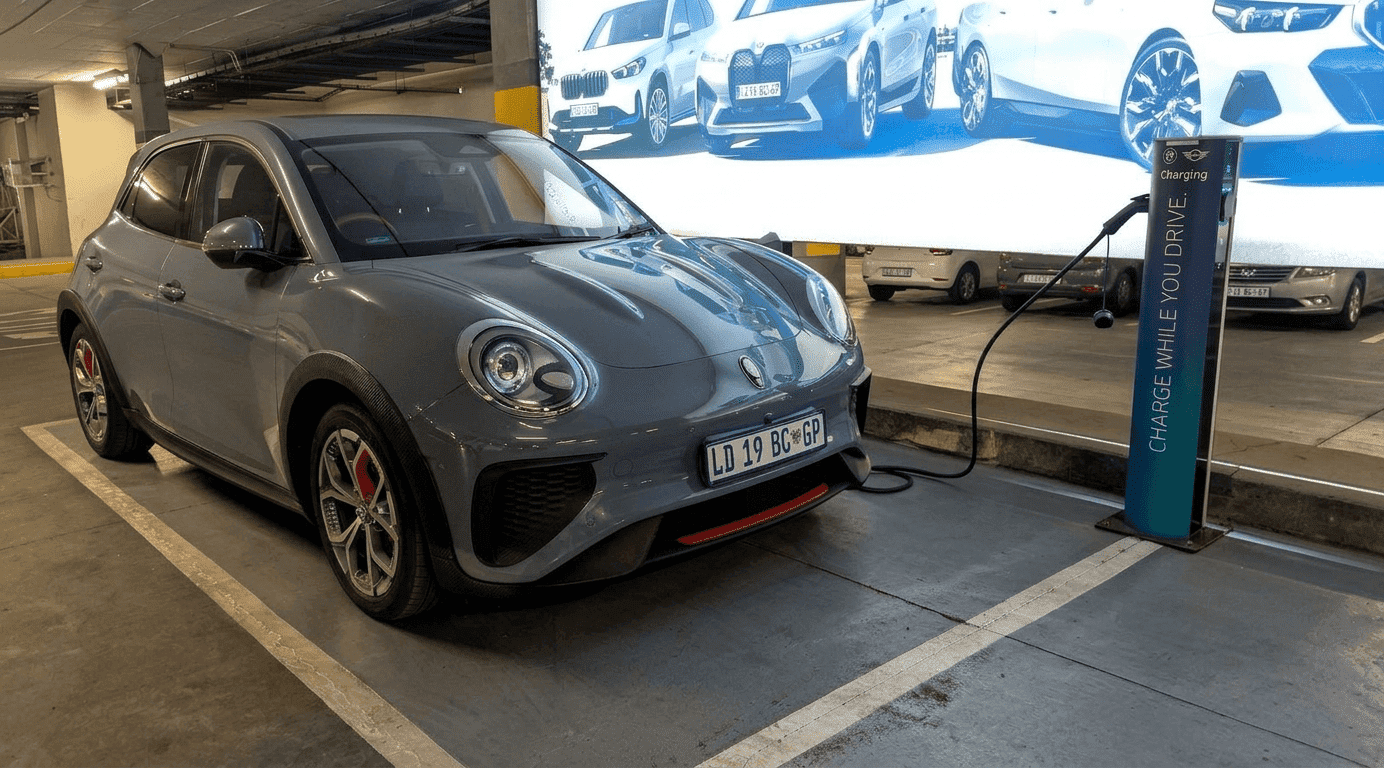
EVnow’s Geely E2, a compact and efficient car, averages about 13 kWh per 100km. On that basis, 100 km costs:
- Home at R3.50 per kWh: about R46
- Public AC at R5.88 per kWh: about R76
- Public DC at R7.50 per kWh: about R98
- (Zero Carbon) Charge’s off-grid highway DC at R9.15 per kWh: about R119
Even if every kilometre came from a DC fast charger, the E2 would cost less than half as much to run as the average petrol car. Charge mostly at home and the bill drops to around a fifth. Larger, heavier EVs use more energy, so their savings are smaller, but the gap remains wide.
Know your battery chemistry
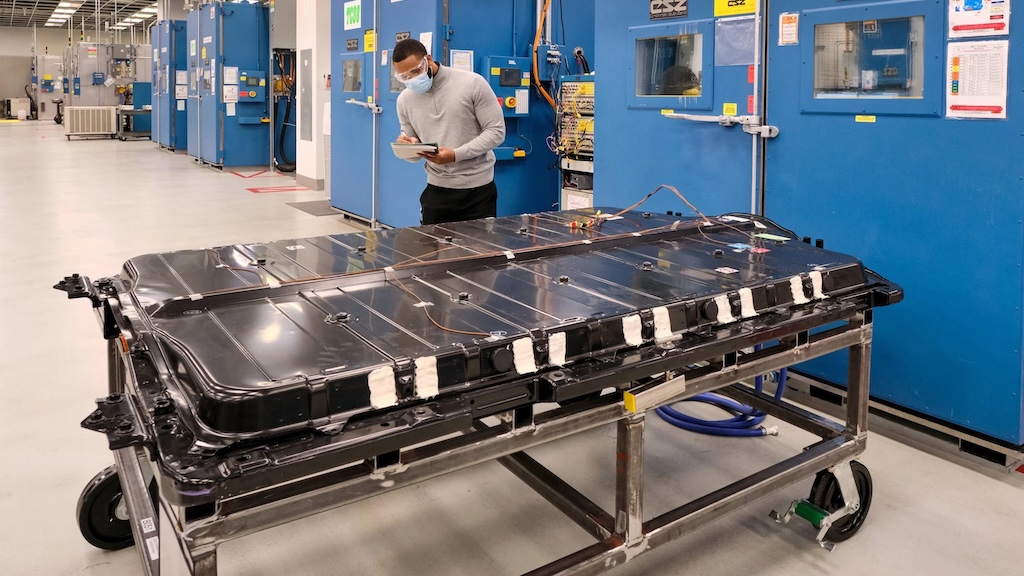
How you charge day to day should also depend on what your battery is made of. Check your owner’s manual or ask the dealer. EV batteries come in two main types.
NMC (lithium nickel manganese cobalt oxide) batteries, also called ternary lithium-ion, have higher energy density, so manufacturers can pack more range into the same space.
LFP (lithium iron phosphate) batteries are less energy dense, but they are more thermally stable, less prone to thermal runaway, and tolerate more charge cycles. Many of the affordable Chinese EVs sold here use LFP, including BYD’s Blade battery models.
NMC vs LFP batteries: how full should you charge?
With NMC, the general rule is to charge to 100% only when you need the full range, such as before a long trip. The rest of the time, set the limit to 70% or 80%.
LFP batteries are generally happy to be charged to 100% routinely. In fact, they need regular full charges. LFP voltage barely changes across most of its range, so the car’s battery management system relies on a full charge to calibrate its SoC reading. Tesla, for example, advises owners of its LFP models to charge to 100% at least once a week. Follow your own manufacturer’s guidance.
One thing to know with any chemistry: a battery at or near 100% can’t accept much regenerative braking energy. The car will slow less when you lift off, and you’ll lose a little efficiency until the charge drops. That’s worth remembering if you leave home fully charged and head straight down a mountain pass.
Plan your trip and download all the apps
Most EV drivers will do all their around-town driving on overnight home charging. A long-distance road trip takes some planning.
That starts with range. As a rule of thumb, expect about 20% to 30% less range at steady highway speeds than the official WLTP figure.
Mind the gaps
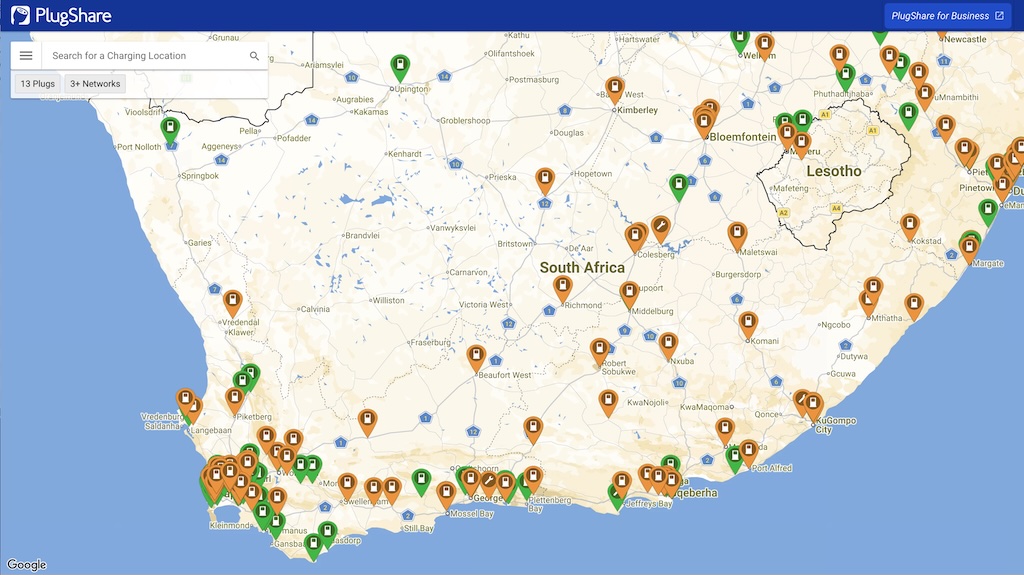
South Africa has roughly 600+ public chargers, about three-quarters of them installed and managed by GridCars. Most are clustered in the metros, and several national routes still have long gaps. A small-battery EV can’t always bridge the distance between DC chargers on those routes, so a long trip may include a slower AC top-up along the way.
Promised, not yet built
Help that was promised has been slow to arrive. In October 2025, BYD said it would have 200 to 300 of its megawatt Flash charging stations in South Africa by the end of 2026, starting at its dealerships in April or May. By mid-2026, not one had been built. BYD South Africa’s Steve Chang blamed the delay on the switch to a second-generation, 1 500kW version of the charger, and the company has since said only that Flash charging will still arrive this year (2026), without giving numbers or dates.
EVnow could find no record of a BYD Flash charger opening in South Africa by the time of publication. BYD South Africa did not respond to a request for comment.
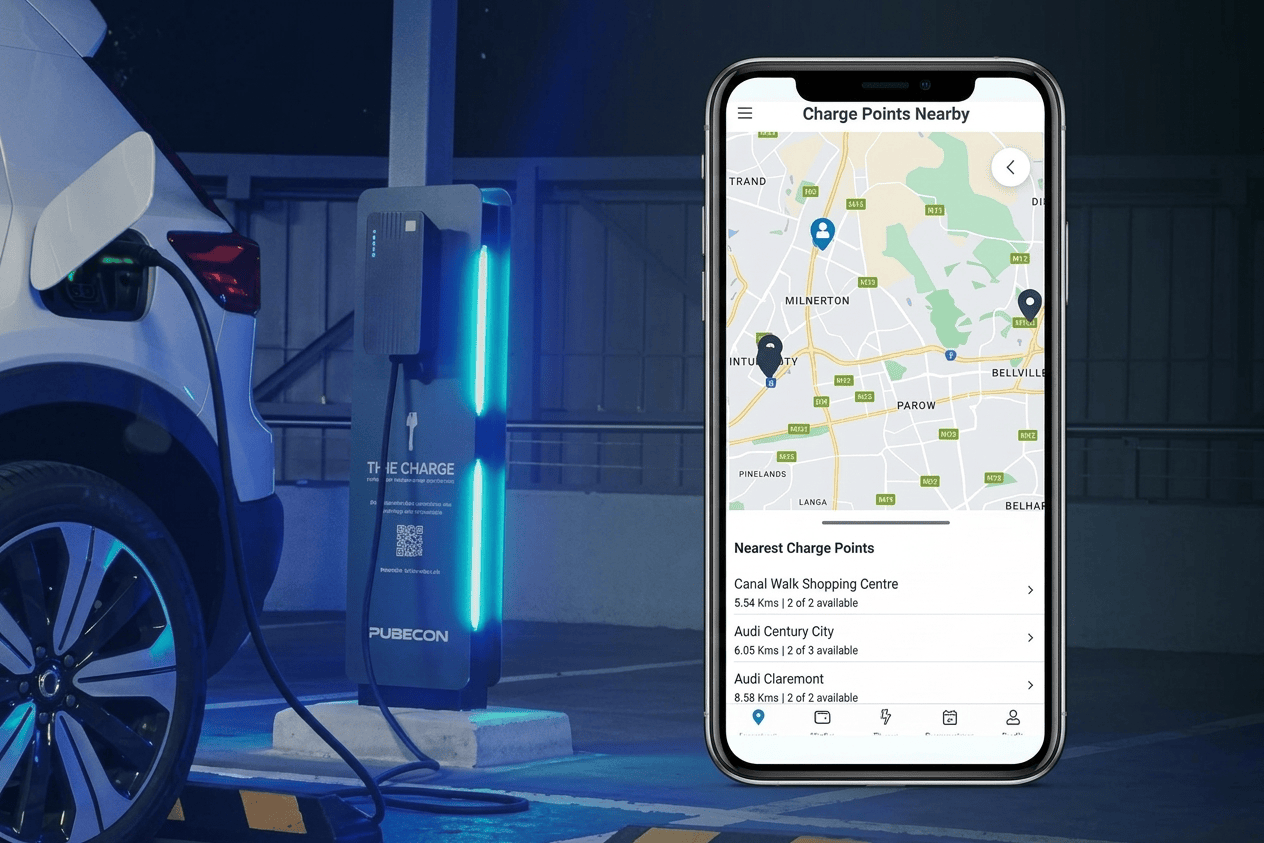
To find chargers, download as many operator apps as you can. As of late 2026, they include:
- ChargePocket: GridCars’ app, covering the country’s largest network along with roaming partners such as Chargify, which GridCars partly owns. GridCars’ prices average about R7.50 per kWh on DC and R5.88 on AC, but they vary, so check each charger’s rate in the app. Note that if you start a session on a GridCars charger with the Rubicon app or card, GridCars adds a connection fee of about R1 per kWh.
- Rubicon: the second-largest operator, charging R7.00 per kWh on DC and R5.88 on AC through its own app. Its chargers also appear on ChargePocket, but GridCars adds its own margin, so the same Rubicon charger costs R8.24 per kWh on DC and R6.92 on AC when you start the session there. On Rubicon chargers, use Rubicon’s app.
- Charge (Zero Carbon Charge): off-grid, solar-powered highway hubs, each with six DC and two AC charge points. There are three hubs so far: on the N12 between Klerksdorp and Wolmaransstad, at the Leeudoringstad turnoff; on the N3 at Leeukop Padstal, Reitz/Roadside interchange (exit 107) in the Free State; and on the N3 at Three Towers Farm Stall, Winterton interchange (exit 207) in KwaZulu-Natal. DC charging costs R9.15 per kWh, and the AC points are free until May 2027. The N1 is next.
- SAEV Charge: a Cape Town-based operator offering combined charger-and-battery systems. Prices vary by site, from as little as R2.49 per kWh on DC at its Cape Town office to R6.89 in De Doorns and Paarl, and new chargers are now live in Gauteng.
- Black Tower: a joint venture between Rand Merchant Bank and independent power producer Red Rocket, focused mainly on AC charging at commercial sites.
- Smart EV and Autel: the app behind dozens of 22kW AC chargers that individual Toyota dealers have installed, including in smaller towns such as Ceres, Vredendal, Barberton and Makhado. Download the Autel app and scan the QR code at the charger to start. Some BMW dealerships also let drivers of any EV plug in, often for free.
- Conduit Energy: deliberately has no app to download. Its web app at conduit-energy.com shows every public Conduit charger with its live status, price per kWh and plug type. Plug in, scan the code on the charger and pay by bank card, with no account needed. You can also start a session from the map page itself. Save it to your phone’s home screen and it works much like an app.
The apps are all free to download, but some have paid features. Two independent apps are also worth having.
PlugShare is crowdsourced. Members of the public pin the location and details of charging points, including ones that aren’t on any operator’s network, along with recent check-ins on whether they work.
A Better Route Planner (ABRP) plans your charging stops between any two points, for the shortest total trip time or the fewest stops. It accounts for your car’s consumption, your driving speed, elevation changes and temperature along the route. You can enter your starting SoC manually or feed it live data from the car through an onboard diagnostics (OBD) reader. ABRP proved so popular that US EV maker Rivian bought the Swedish company behind it in 2023.
Google Maps also lists many chargers from the major operators, in some cases with live availability. Note that some Google location pins were dropped rather carelessly by users, so the charger might be 100 metres or more from where Google Maps leads you.
Must-have road-trip kit
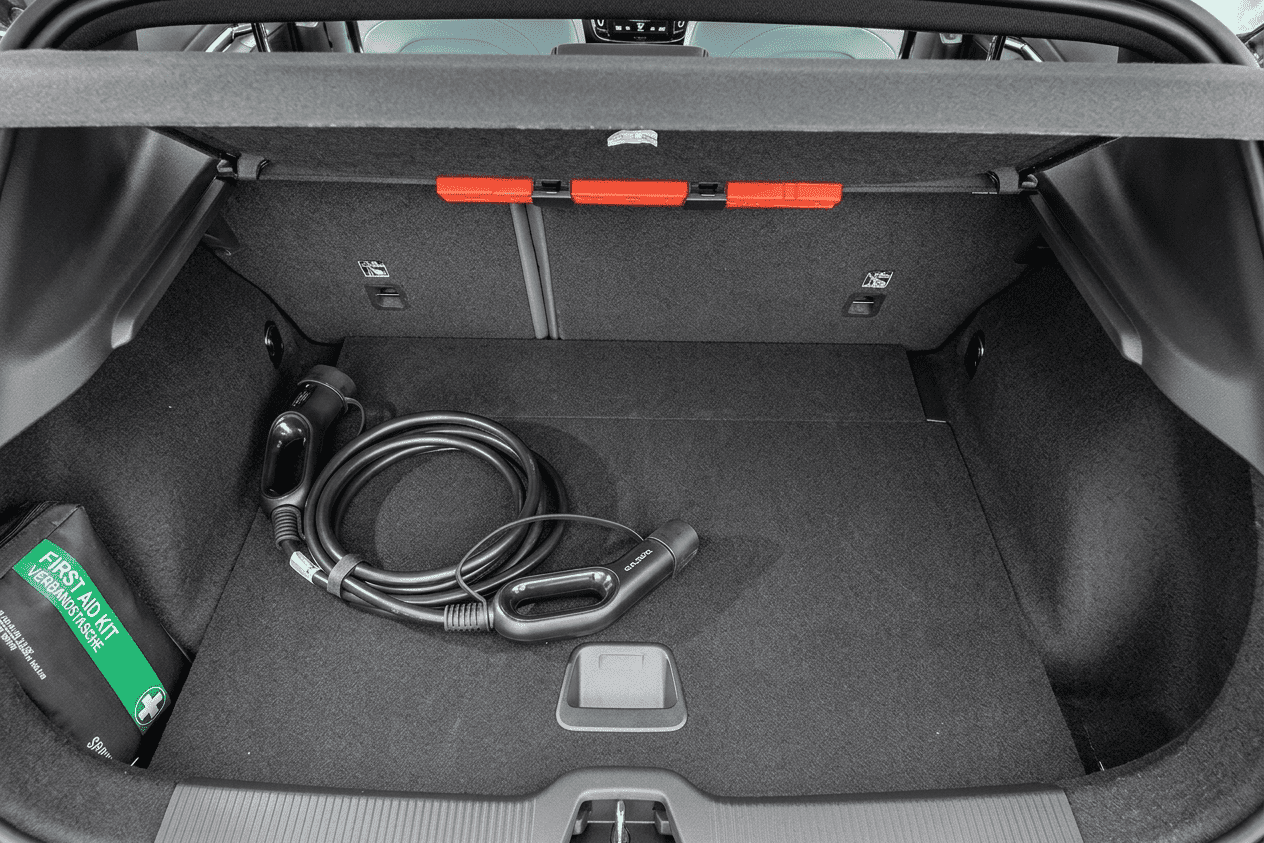
Beyond the apps, pack four items for any long-distance trip:
- a portable charger with a standard South African three-pin plug on one end and a Type 2 connector on the other
- an adapter for the blue 16A caravan socket common at caravan parks and campsites
- an outdoor-rated extension cord with 2.5 mm² three-core cable
- a Type 2-to-Type 2 AC cable for socket-only public chargers
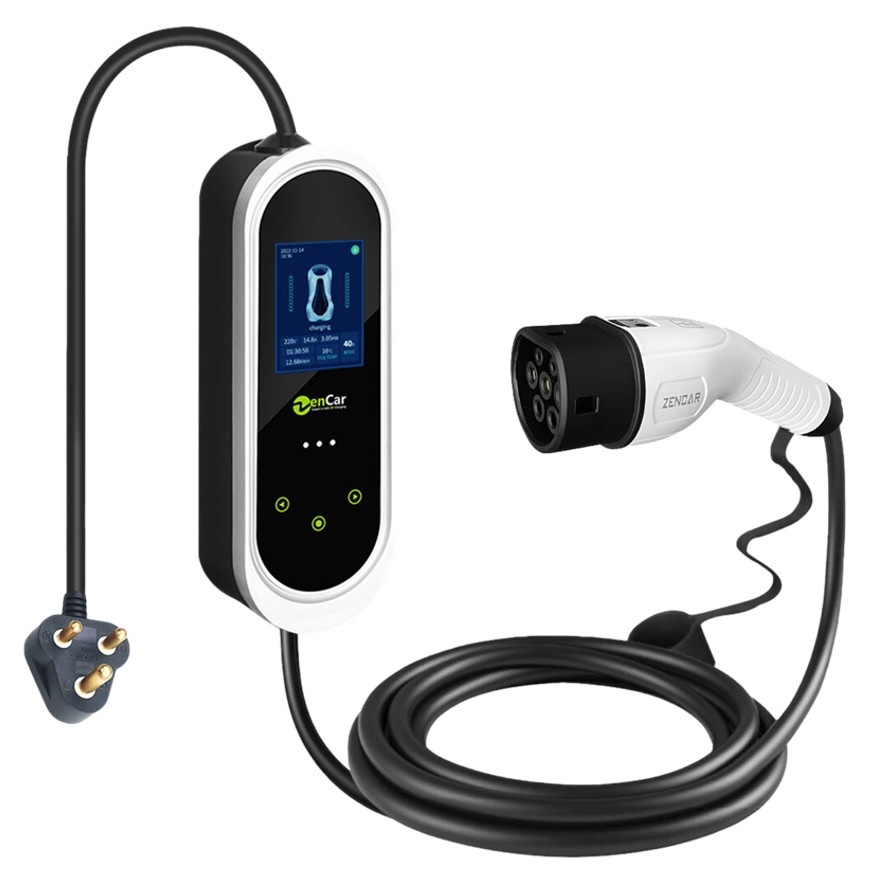
The portable charger. If your car lets you limit the charging current (in amps) or power (in kilowatts), any portable charger will do. If it doesn’t, buy one with adjustable current, so you can dial it down to 10A or lower on circuits that can’t handle a full 16A for hours. Campsites and small guesthouses often have only limited power to spare. Whichever model you buy, test it with your car at home before you rely on it on the road.
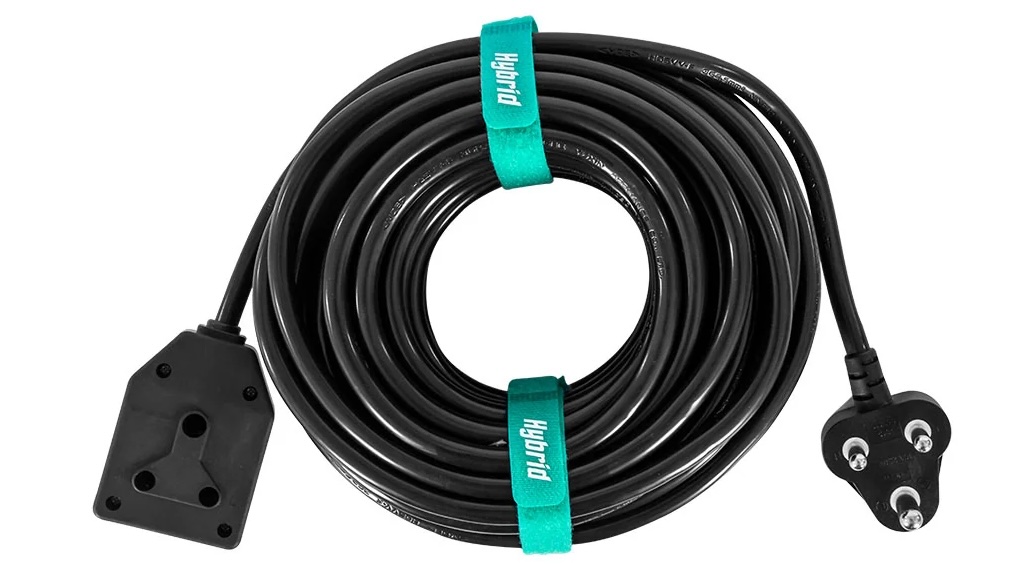
The extension cord. A portable charger’s cable is typically around 5m long, and the nearest socket is often further away. Most manufacturers discourage extension cords because ordinary cords aren’t made to carry high current for hours on end. Many cords sold as “heavy duty” have 1 mm² or 1.5 mm² cores. They are fine for short bursts from a power tool, but can overheat over a night of EV charging. For a cord of 10m to 30m, look for 2.5 mm² cores. Unwind a cable reel fully before you use it, keep connections off wet ground, and never charge through a multiplug or adapter strip.
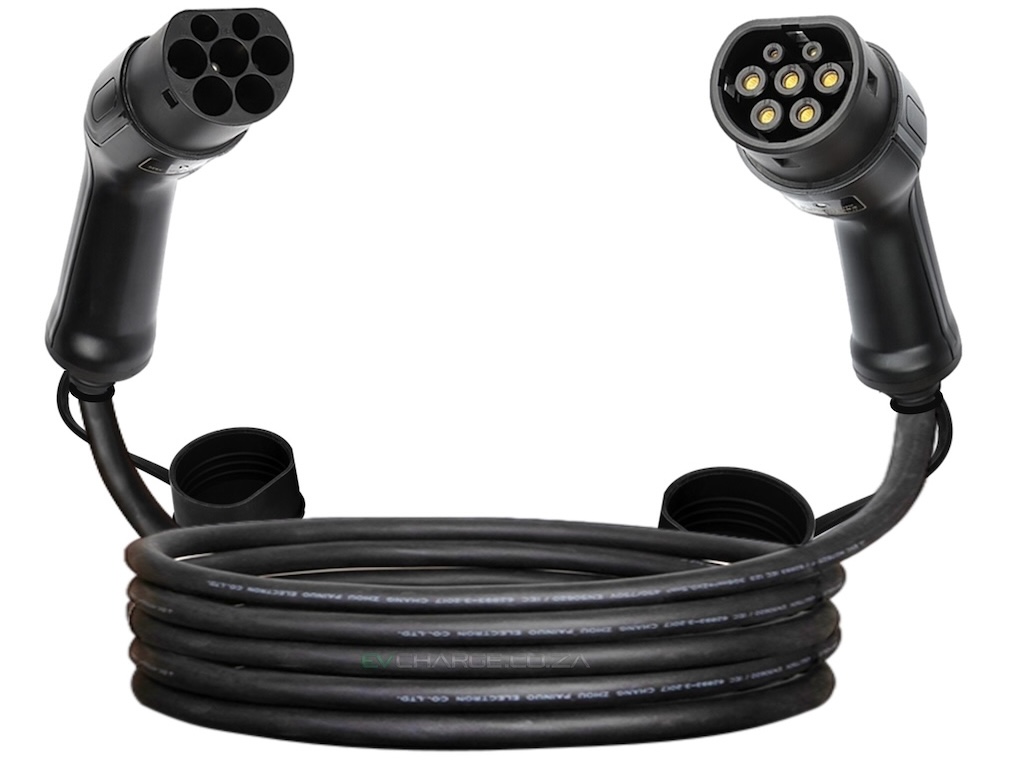
The Type 2-to-Type 2 cable. Some public AC chargers, especially at hotels, wine farms and shopping centres, have a socket but no cable. Without your own Type 2-to-Type 2 cable, you can’t use them. Check whether one came with your car before you leave.
Charging etiquette, please
Chargers are getting busier. NAAMSA figures show 22 389 new energy vehicles were sold in the first nine months of 2026, already 34% more than in all of 2025. That includes 3 217 battery EVs, nearly triple the 1 088 sold in the whole of last year, and 8 082 plug-in hybrids. You’re more likely than ever to arrive at a charger and find it occupied.
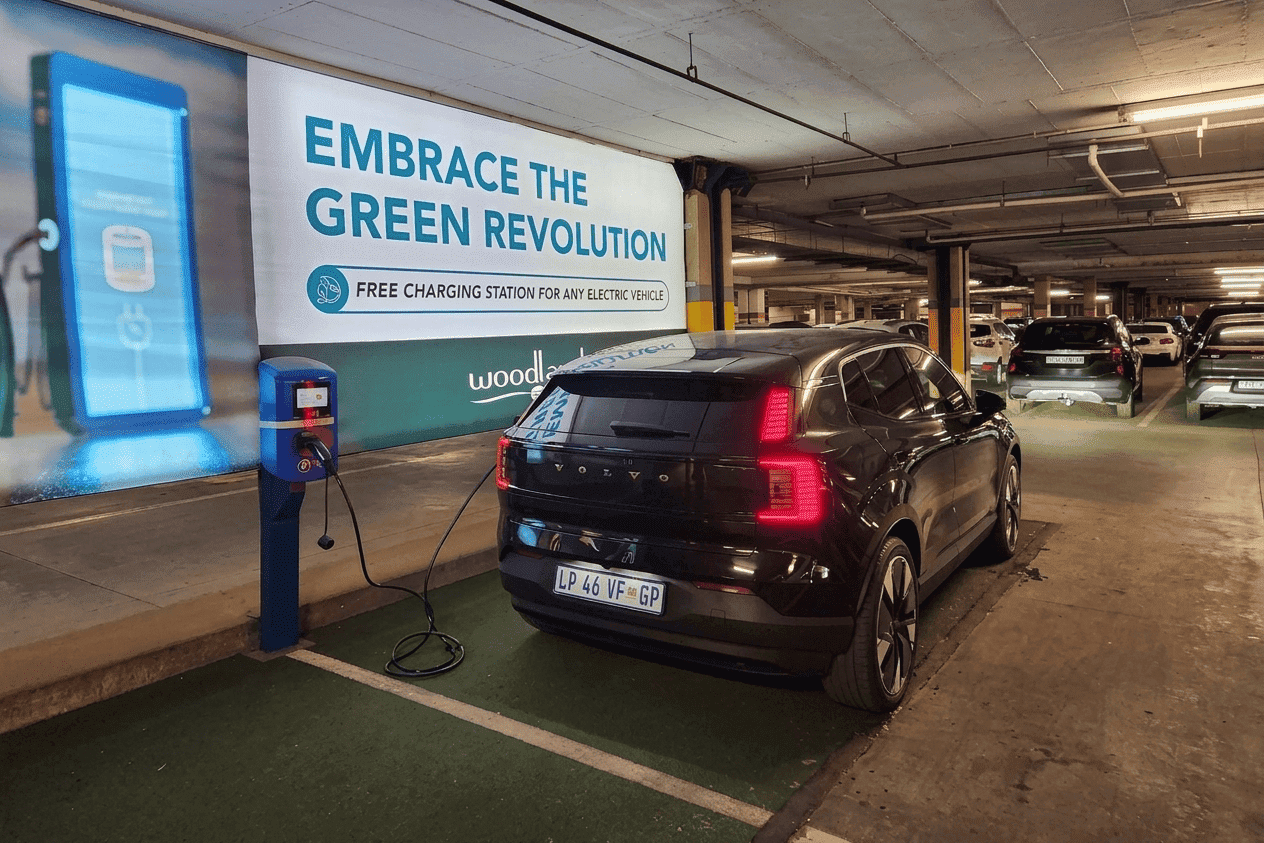
Golden rules at public charging bays
A few habits will make life easier for everyone.
Park considerately. Don’t block neighbouring bays that could also reach a charger.
Move once you’re done. Black Tower’s Norbert Stallkamp put it simply on CapeTalk: “these are charging bays, not general parking bays”.
Unplug at about 80% on a DC charger. Above 80%, charging slows sharply. Unless you need more range to reach the next charger, stopping at 80% and topping up again later is quicker overall, and it frees the bay sooner. Set a charge limit in the car, or keep an eye on the app.
Plug-in hybrid drivers: a public charger is a bonus for you, not a necessity, since you have petrol to fall back on. If an EV driver is waiting, give way.
Plugging in at guesthouses and hotels
Ask before plugging in at guesthouses: Etiquette applies to portable chargers too. Don’t simply plug into a socket at your accommodation, or anywhere else with an accessible outlet, without asking.
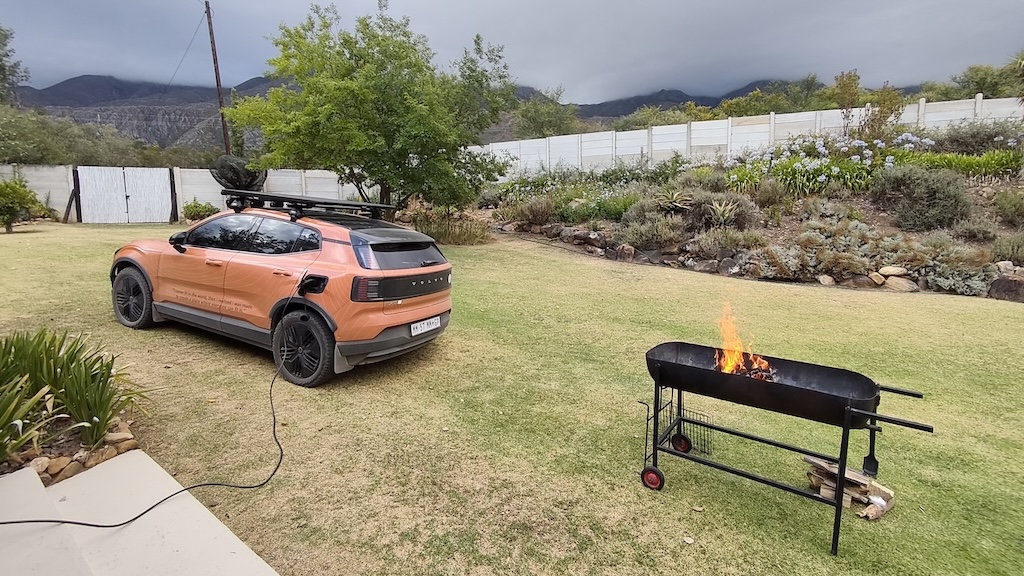
A granny charger isn’t a power-hungry appliance in the way a kettle is, but it runs for hours. At 16A it draws about 3.7kW, so over a 10-hour night it uses about 37kWh. At a typical residential rate of around R3.50 per kWh, that comes to roughly R130, and many guesthouses pay higher commercial tariffs.
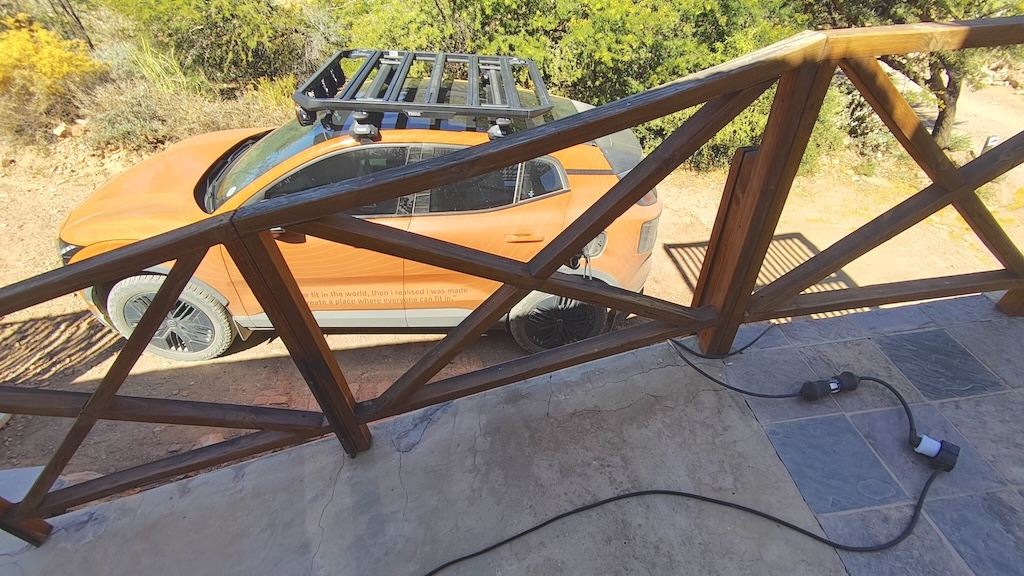
A big hotel might absorb that, but a small B&B probably hasn’t budgeted for it. Always ask first and offer to pay. Even at R5 per kWh, you would pay less than at most public chargers, and you’d start the day with a full (or fuller) battery.
Published 20 November 2026. ©John Labonté | Pictures by the author, Rubicon, Justus Visagie, evcharge.co.za, Harry Green Music World, and MG