
One of the great advantages of electric vehicles (EVs) is the convenience of charging at home. For EV owners, the fuel station is their own garage, and with the ease of plugging in overnight, charging becomes as seamless as charging a smartphone.
Yet many South Africans are still hesitant, wondering about installation, time, and costs associated with home charging. Here, we’ll explore how home charging works, its convenience, and why it’s a significant upgrade from petrol station visits.
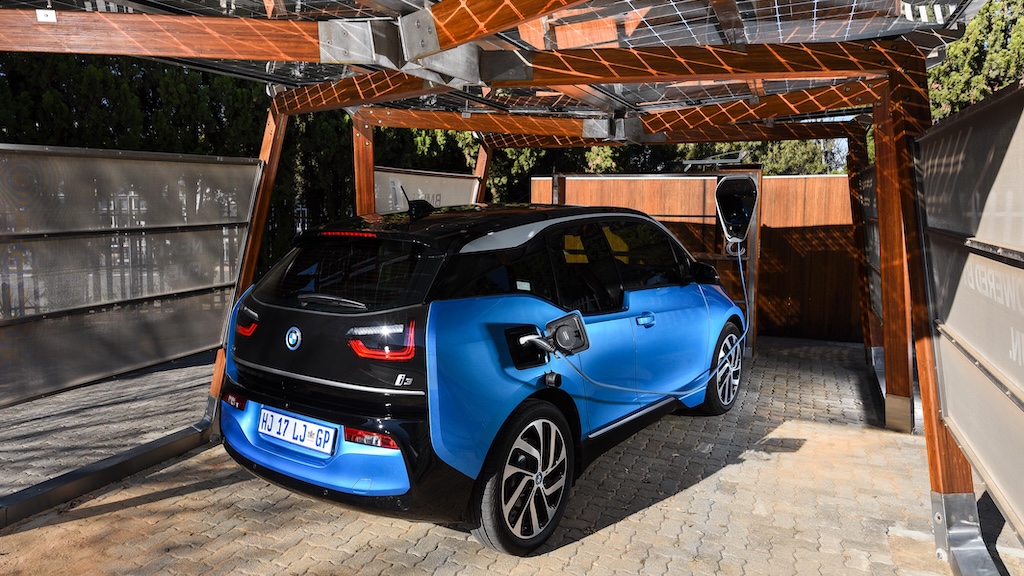
How home charging works
Home charging is as simple as plugging in your EV overnight, waking up to a ‘full tank’ by morning. EVs come with Level 1 or Level 2 home charging options, or both:
- Level 1: This portable charger uses a standard household plug (230V), charging at about 8 kilometres per hour. Few EV owners rely on level 1 charging, as most install wall-mounted level 2 chargers at convenient locations in their homes.
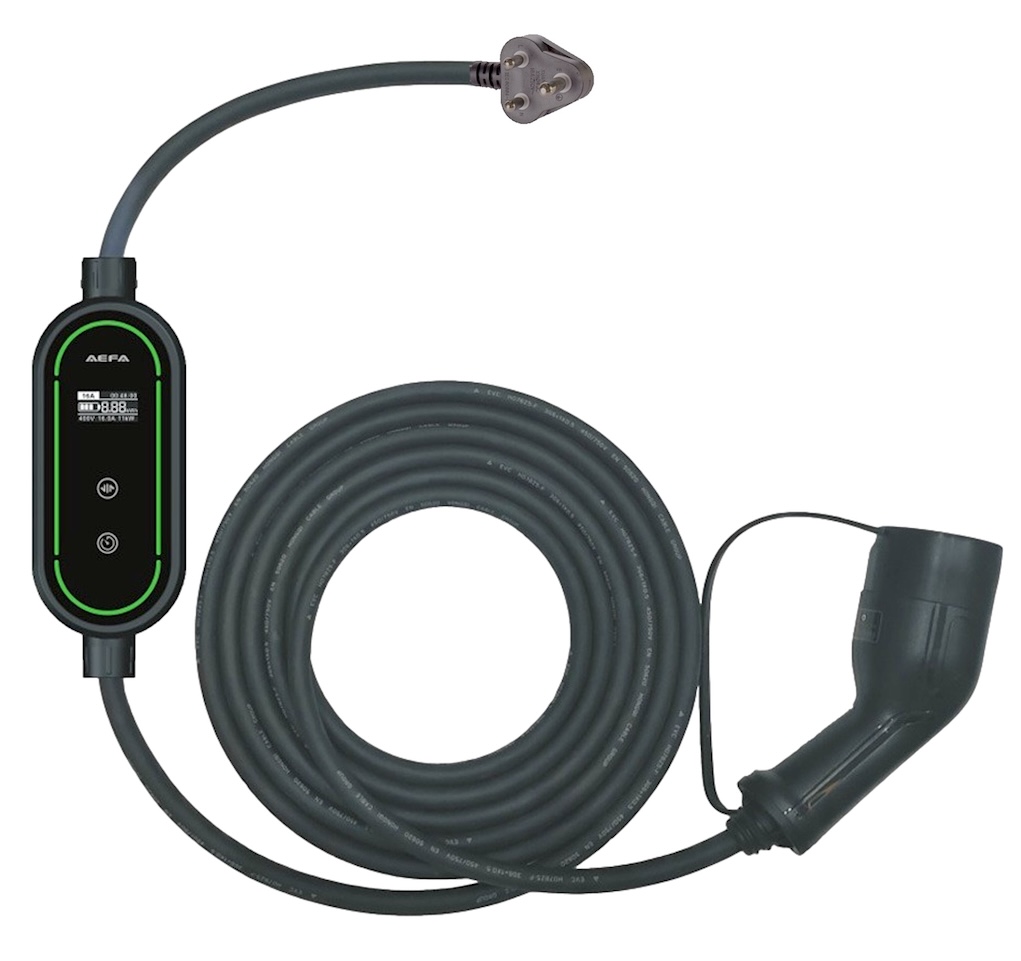
A portable AC charger for EVs, sold by evcharge.co.za - Level 2: A wall-mounted home charger providing 16 to 25 kilometres per hour of charge at 7 to 11 kW.
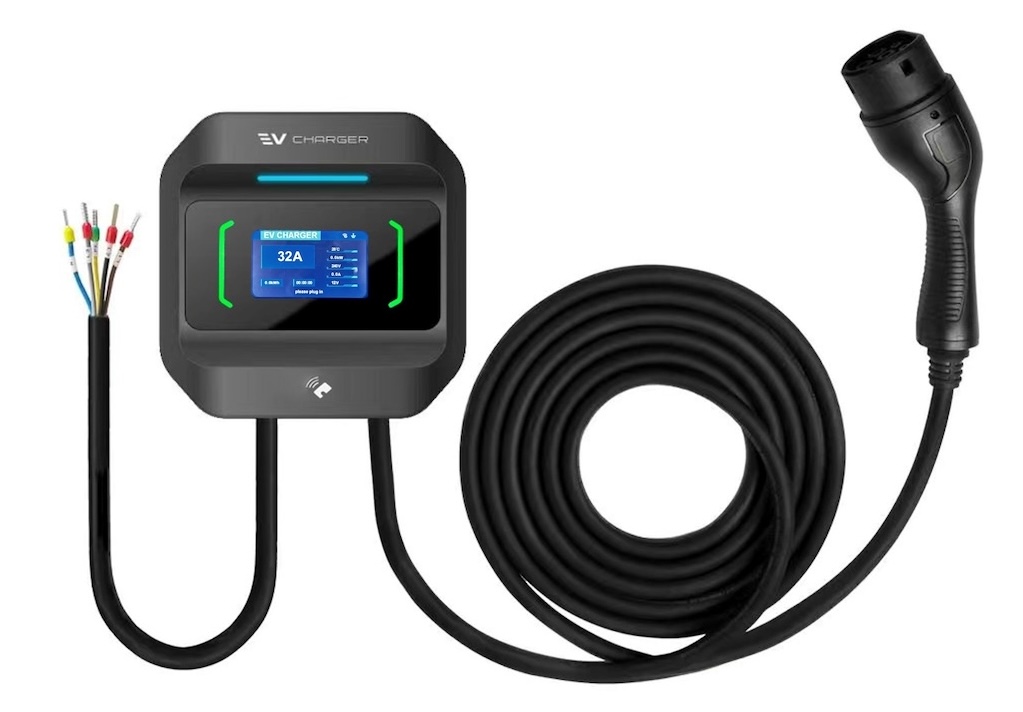
A wall-mounted EV charger sold by evcharge.co.za
Installing a Level 2 charger is straightforward but requires a qualified electrician. The charger typically costs between R10 000 and R15 000, with installation adding approximately R5 000. Some EV dealerships include the charger and installation as part of the vehicle purchase. The convenience of plugging in each night, combined with faster charging speeds, makes it a worthwhile investment.
Charging time and flexibility
The convenience of charging at home is amplified by its flexibility. While it might take a full 10-12 hours to charge from empty with a Level 2 charger, most drivers don’t need a full charge every night. Many South African EV owners find that topping up with a few hours of charging every couple of nights is enough for daily commuting. Plus, overnight charging can eventually take advantage of off-peak electricity rates, resulting in significant savings.

Charging from solar
If you already have or are considering solar panels, you can pair them with your EV to further reduce costs. Charging from solar panels adds to the environmental benefits of EVs and allows for near-zero ′fuel’ costs over time.
By using solar energy, EV owners can drive knowing their power source is sustainable and local, even during load shedding. While charging with Eskom power can reduce the cost per kilometre from around R1,50 (petrol) to 60 cents (electric), a home solar system can reduce that to zero cents per kilometre under abundant sunshine.
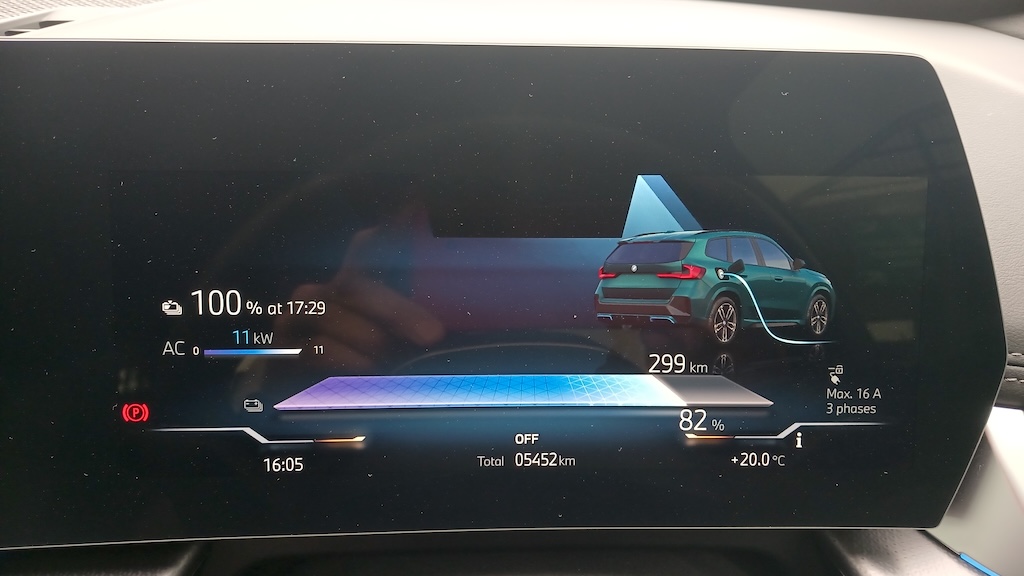
No more trips to the petrol station
One of the most overlooked advantages of home charging is the freedom from petrol station visits. With an EV, refuelling is simply plugging in at home. This small lifestyle shift ends up saving time, eliminating waiting in queues, and adding a layer of convenience that combustion vehicles can’t offer. Surely you can clean your windscreen by yourself?
What about load-shedding?
At the time of writing, load shedding – when Eskom cuts power to balance supply and demand – has largely receded. The possibility of its return, however, remains a concern to many potential EV owners.
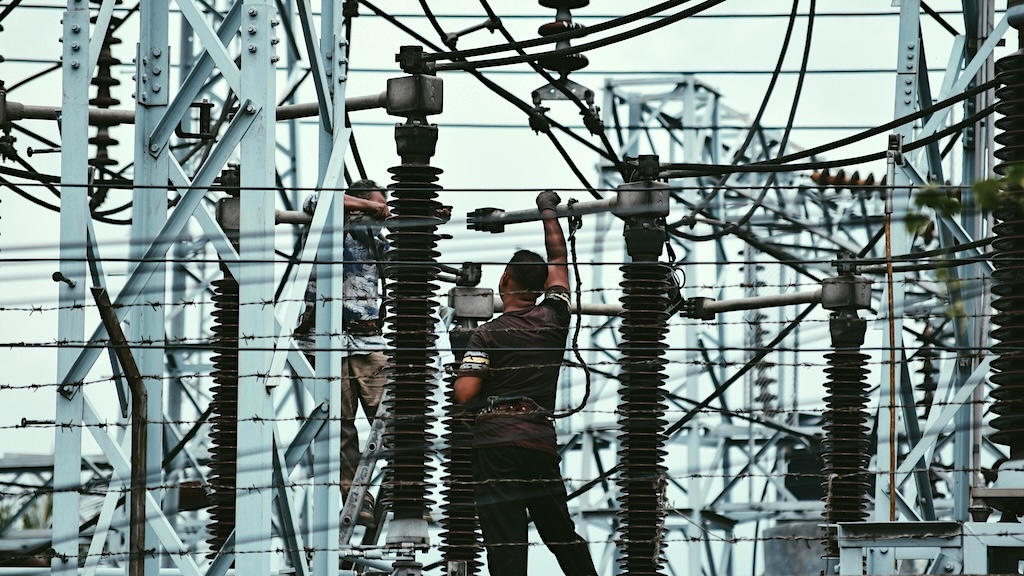
Should load shedding ever return to Stage 4 levels, EV owners would be largely unaffected. With power available for 18 hours a day (Stage 4 means 6 hours without electricity), and most EVs requiring only 3-4 hours to be topped up, there’s ample time to keep electric cars ready for daily use.
Many EV owners have already installed solar panels and home batteries, further insulating them from grid disruptions.

Conclusion
Home charging turns EV ownership into a flexible, affordable, and convenient experience. With minimal setup and the ability to power your car from home or even from solar energy, home charging is not just a fuel alternative but a superior upgrade.
South Africans are increasingly recognising the convenience and cost savings, making EVs an attractive choice for those ready to move beyond chemical fuel. As more people switch to EVs, home charging is set to become a defining feature of smarter, cleaner, and more convenient transportation.