
The International Energy Agency does not typically make for dramatic reading. Its reports tend toward the measured and the technical, written for policymakers rather than people. But a document published last Thursday reads more like a crisis dispatch than a policy brief, and South Africans would do well to take notice.
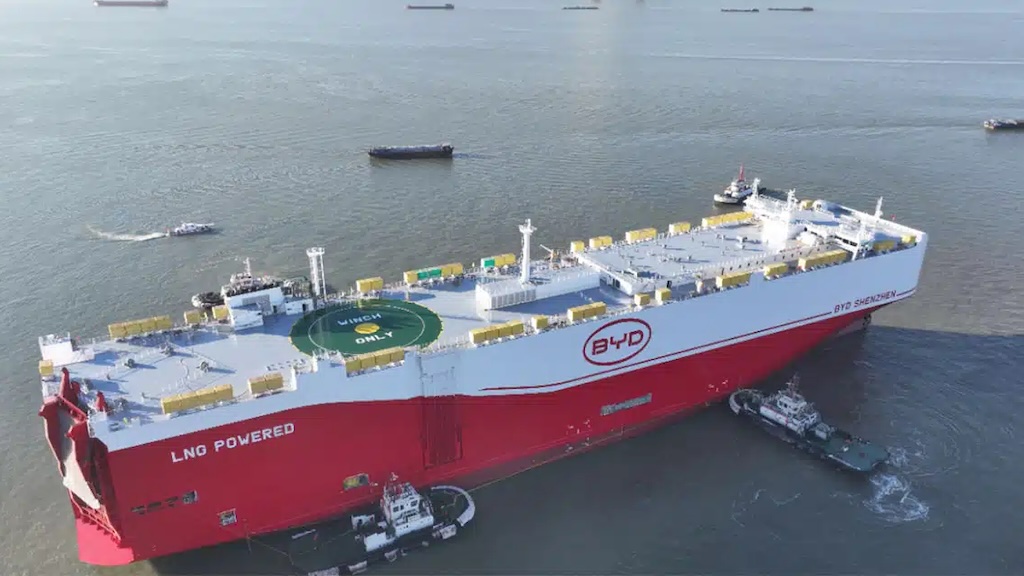
The report, Sheltering from Oil Shocks, was released in response to an escalating conflict in the Middle East that has effectively shut down shipping through the Strait of Hormuz, a waterway that normally carries around 20% of the world’s daily oil supply. With those flows reduced to a trickle, crude prices have climbed above $100 a barrel, and refined products like diesel, jet fuel and LPG have tightened even further. The IEA, founded in the wake of the 1973 oil crisis, is doing what it was created to do: telling governments, businesses and households to use less oil, right now, by whatever means they can.
The measures it recommends are not exotic. Work from home where your job allows, slow down on highways, take the bus, share a lift, avoid unnecessary flights, use an induction hob if you have one. None of it is especially controversial, and all of it is achievable within weeks, which is exactly the point.
Why this matters here
South Africa is listed among the IEA’s association countries, which means it has a formal relationship with the agency and access to its expertise. It also means we are expected to be paying attention, because this crisis, even as it unfolds far from our shores, is a precise illustration of everything that makes South Africa’s energy situation precarious.
Hiten Parmar, Executive Director of The Electric Mission, draws a direct line between the country’s structural exposure and the disruption now playing out in global markets. “South Africa is exposed to every shock in the global oil market because we import virtually all of our liquid fuels,” he says. That exposure falls hardest on the people least able to absorb it: the minibus taxi commuter, the small business owner running a delivery bakkie, the household in a township that still cooks on an LPG cylinder.
Gary Scott, a former managing director of Kia South Africa and board member of ZIMI, frames the problem in terms that go beyond economics. “South Africa is in effect giving away its sovereignty, because we are so exposed to this volatility,” he says of the country’s fuel import dependency. The IEA’s report makes the same point in the language of policy, noting that impacts fall disproportionately on lower-income households in developing economies and calling for targeted relief rather than blanket subsidies, alongside structural changes that reduce oil dependence over the longer term.
The fuel we already have
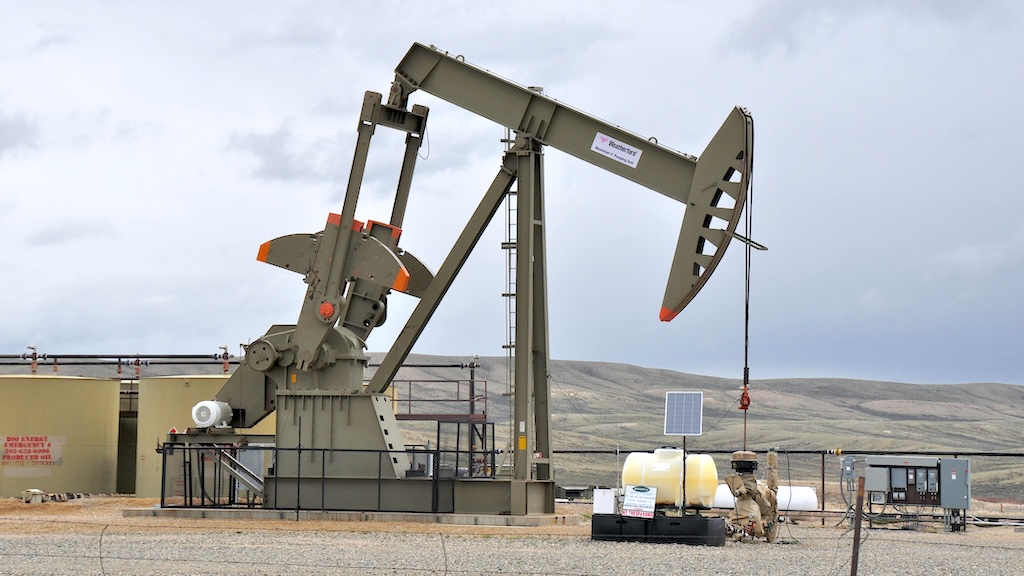
That structural response is where the EV transition enters the picture, not as an environmental aspiration but as a practical hedge against exactly the kind of shock now unfolding. The IEA puts it plainly in the report: reinforce EV adoption, expand charging infrastructure, raise the ambition of fuel economy standards. Parmar points to an asset South Africans have already built, somewhat inadvertently, through years of load-shedding. “The rooftop solar investment that South Africans made during load-shedding, in homes and businesses across the country, is already there,” he says. “Extending it to charge a vehicle is a natural and financially sound next step.” An electric car charged on that solar power is a car that does not care what is happening in the Strait of Hormuz.
What you can do now
While the policy debate continues, the IEA’s measures are not addressed to governments alone. Several apply directly to South African households and businesses, and most cost nothing to implement:
- If your job allows remote work, three fewer commuting days per week could cut your personal fuel bill by up to 20%.
- Slowing down on the highway by 10 km/h reduces individual fuel consumption by 5% to 10%, according to IEA estimates.
- Carpooling, checking tyre pressure, avoiding aggressive acceleration and keeping air conditioning use in check all compound into meaningful savings over time.
- For businesses running delivery vehicles or company fleets, eco-driving practices and optimised loads can reduce diesel consumption by 3% to 5%, savings that go directly to the bottom line at a time when fuel costs are climbing. Michael Maas, founder of ZIMI, notes that while a small electric panel van carries a higher purchase price than its combustion equivalent, any operator travelling more than 175 km per day will find the electric option cheaper to fuel and run from the outset, delivering an immediate saving rather than a deferred one.
- Buy an EV. Few people realise that electric vehicles are now available from around R340 000, and owners consistently report fuel bill savings of between 50% and 80%. Those savings are set to grow further when the anticipated fuel price increases, reportedly around R5 per litre for petrol and R9 for diesel, feed through to the pump.


None of this is a substitute for the structural changes South Africa needs, but in the immediate term these are levers that individuals and businesses can pull today, without waiting for a policy announcement or a budget adjustment that may or may not come.
The cost of delay
South Africa has a fuel economy standards process that has been in motion for years without reaching a conclusion, import duties on EVs that make them unaffordable for most buyers, and a public transport network that, in most cities outside Cape Town, cannot absorb a meaningful shift away from private cars. Every year that passes without meaningful fuel economy standards is another year of full exposure to whatever the global oil market decides to do next.
Scott is candid about why the commercial case, compelling as it is, has not yet driven mass adoption among businesses. “It’s not even in their consideration set yet,” he says. “When people are not at point A, you can’t expect them to get to point B.” The observation applies equally to policy: a government that has not yet made energy sovereignty a live priority cannot be expected to act with the urgency the moment requires.
Published 24 March 2026. ©Justus Visagie