
The ORA 5 EV is a car of contradictions: punchy and capable of real range for the money, yet undercut by a small boot, a heavy battery, and a touchscreen that hides too much. Is it still worth the money?
Switching from a traditional petrol car to an electric vehicle can feel like a step into the unknown. For years, driving has meant listening to the hum of a combustion engine, hearing about runaway fuel prices and factoring garage stops into the routine. Climbing into the fully electric all-new GWM ORA 5 EV changes that entirely.
First impressions and cabin finish
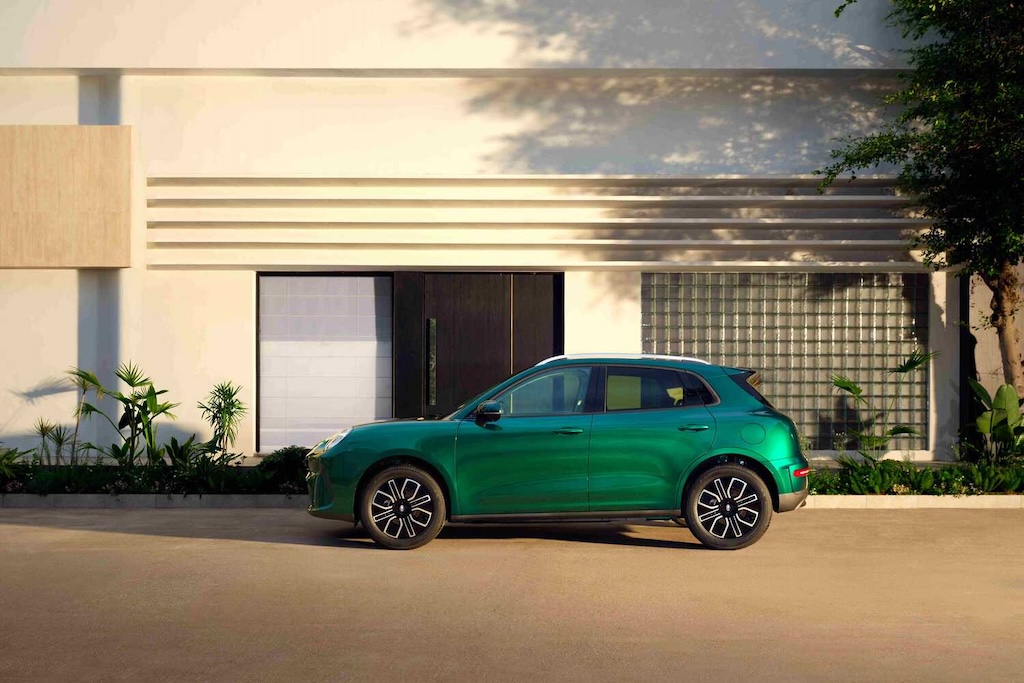
Even while parked outside in the rain, the ORA 5 drew a second look. In Emerald Green, it cut a bright shape against the grey sky, turning heads at every traffic light on the way into town.
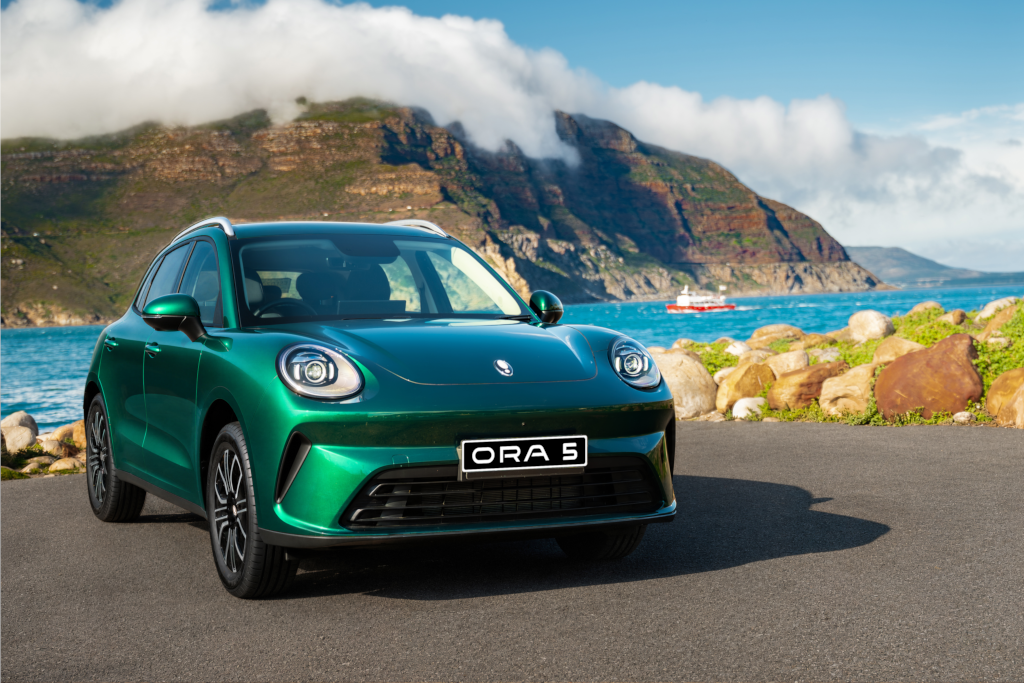
Auto LED headlights with integrated daytime running lights switch on automatically as the storm darkens the sky, matching the automatic rain-sensing windscreen wipers that keep pace with the steady downpour.
Cabin and tech
The cabin feels considered rather than flashy. The synthetic leather seats held their shape well over a full day’s driving, and the ambient lighting can be set to match your mood, though it’s more a party trick than a necessity.
The dashboard is anchored by a 14.6-inch touchscreen running GWM’s Coffee OS, with wireless Apple CarPlay and Android Auto included. Parking and navigating tight spots in town is helped by a 360-degree camera system, backed by Autonomous Emergency Braking (AEB) and Lane Keep Assist (LKA).
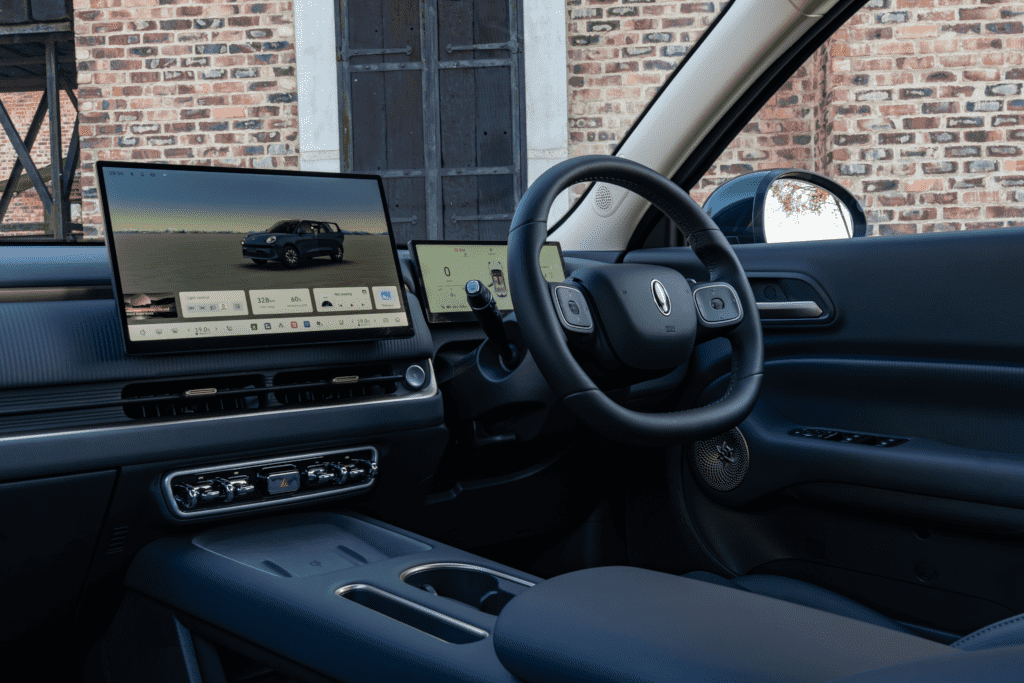
That said, modern digital minimalism brings a few ergonomic quirks: too many core controls are buried in the touchscreen’s menus, which is distracting while driving, and there’s no physical button for the headlights, nor an obvious menu shortcut. The steering wheel doesn’t fully escape the same issue: the right-hand cluster and scroller run the trip computer sensibly enough, but the left-hand buttons need the manual, a video, or a chat with the dealer to work out.
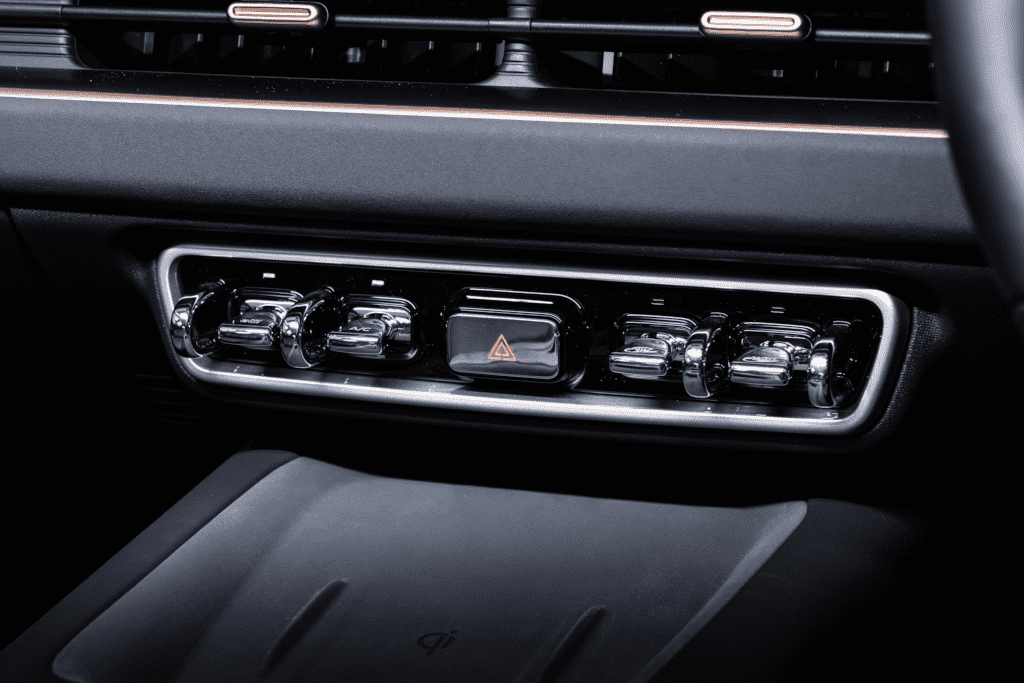
The aircon switchgear, a single unit for temperature only, looks to be shared with the smaller, overpriced Ora 3. Relief may be on the way regardless: new Chinese regulation will force real buttons back into cars from 2027, and GWM is among the manufacturers helping shape that standard.
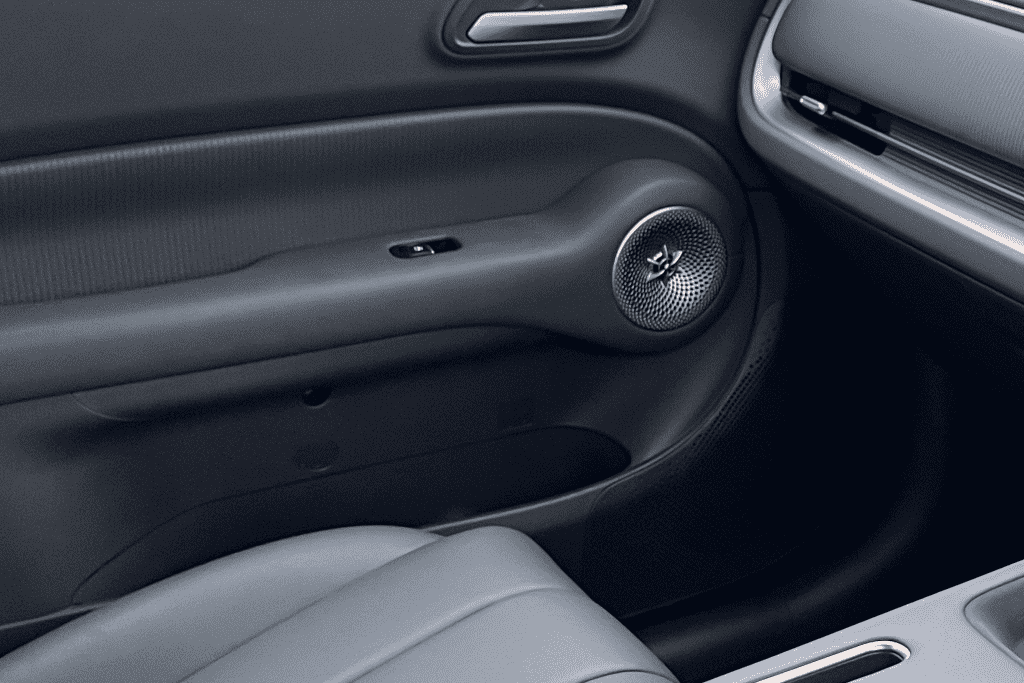
Rearward visibility is average, though the standard 360-degree camera covers for it in tight spots. One odd detail: a piece of trim protrudes from under the steering column, close enough to the driver’s footwell that lifting off the brake feels tighter than it should, a small thing, but the kind a driver notices on every stop.
Practicality and lineup options
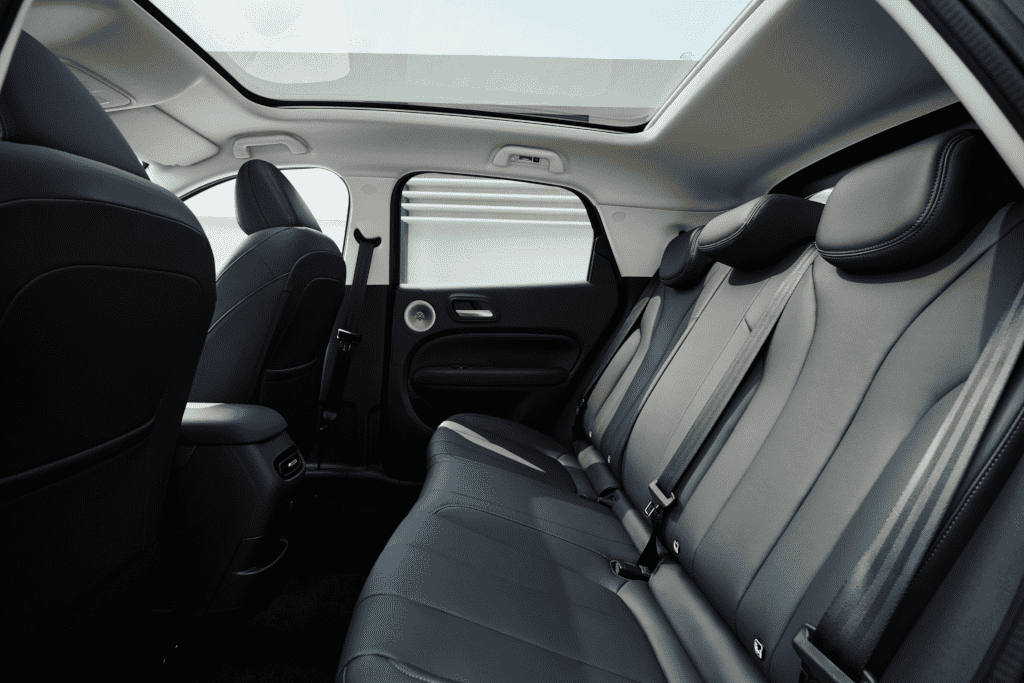
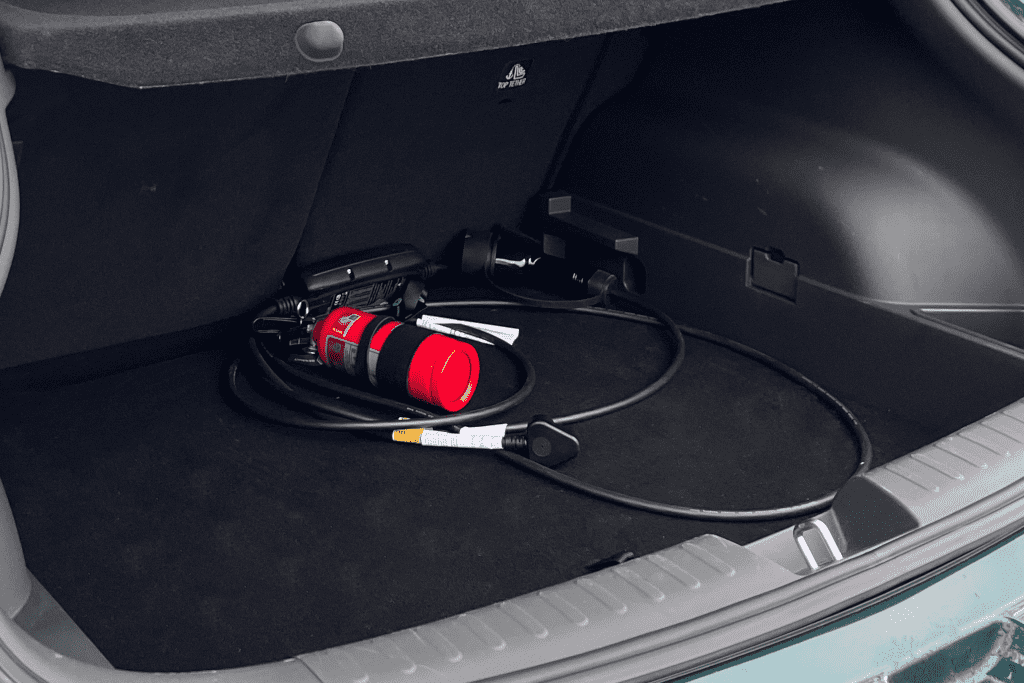
Passenger accommodation is adequate rather than generous, and boot capacity is somewhat limited for a vehicle of this footprint. With 362 litres of luggage space, you’ll need to pack lightly for weekend getaways or drop the rear seats if you’re hauling bulkier cargo, which opens the boot up to 1 060 litres. The cabin itself is compact rather than roomy, and rear passengers fare better if they’re smaller, this feels more like a car for kids in the back than adults on a long trip.
Lineup and range
The broader ORA 5 lineup spans turbo petrol, hybrid and fully electric configurations on the same GWM ONE platform, with the hybrid topping out at 164 kW. The pure electric BEV variant tested here uses a 150 kW motor through a front-wheel-drive layout, with 175 mm of ground clearance.
It handled suburban speed bumps and gravel driveways easily enough, though the extra mass of that 58.3 kWh battery pack is noticeable over rougher surfaces in a way it isn’t in cars it competes against. The suspension works harder to cope with that mass. The trade-off is range: a claimed 440 km (WLTP) is still some way ahead of most rivals in this price bracket. The trip computer is considerably more optimistic, readings on test cars ranged from 482 km up to 580 km showing on a full charge, closer to the Chinese CLTC-cycle rating for this battery. Real-world reports settle lower, in the 380 to 440 km band, once mixed city and highway driving factor in.
Conquering Sir Lowry’s Pass in the wet
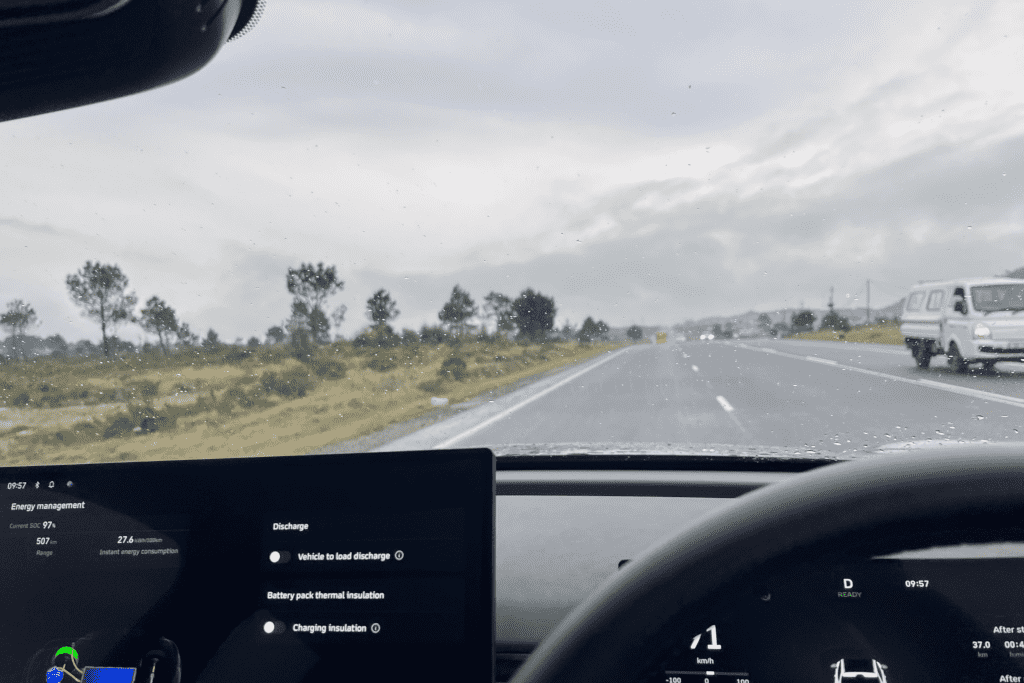
Leaving the city behind, the weather turned true to form: low-hanging clouds, slick asphalt, and a steady drizzle sweeping across the N2. In a standard petrol car, wet mountain passes usually demand deliberate gear-shifting, watching rev counters climb on steep inclines, and managing engine strain.
Handling in the wet
Tackling the ascent up Sir Lowry’s Pass in the ORA 5 proved remarkably composed. Selecting Standard mode balanced everyday driving comfort and power delivery as the road wound upward. Because electric motors deliver instantaneous torque, acceleration on the climb was completely linear and quiet, and the claimed 0-100 km/h time of 8.0 seconds felt entirely believable pulling out to overtake.
Steering through the sweeping bends felt planted and secure, with only the metronome sweep of the wipers for company.
Drive modes
The BEV offers four drive modes: Eco, which softens throttle response to stretch range; Standard, the everyday default; Sport, which sharpens throttle response and steering weight; and Well-Being, which softens the climate and ambient lighting settings for a calmer cabin.
Charging up at Peregrine farm stall
Descending over the pass into the Elgin Valley, the gloomy weather called for a warm refuge. Pulling in at the legendary Peregrine Farm Stall, a landmark in Grabouw since 1964, is a ritual for anyone travelling this route.
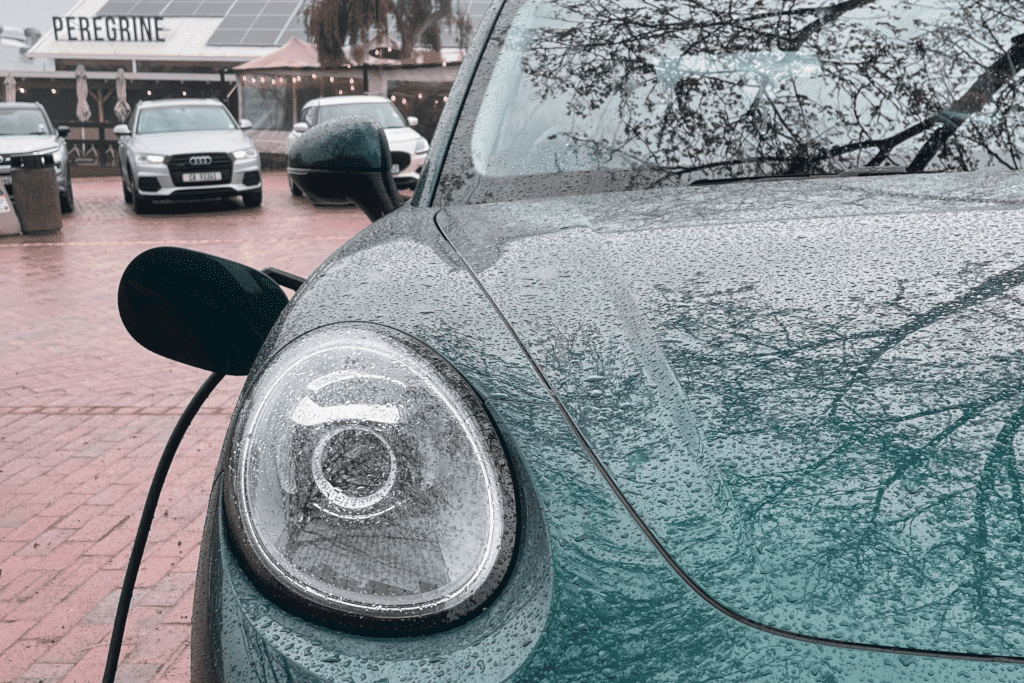
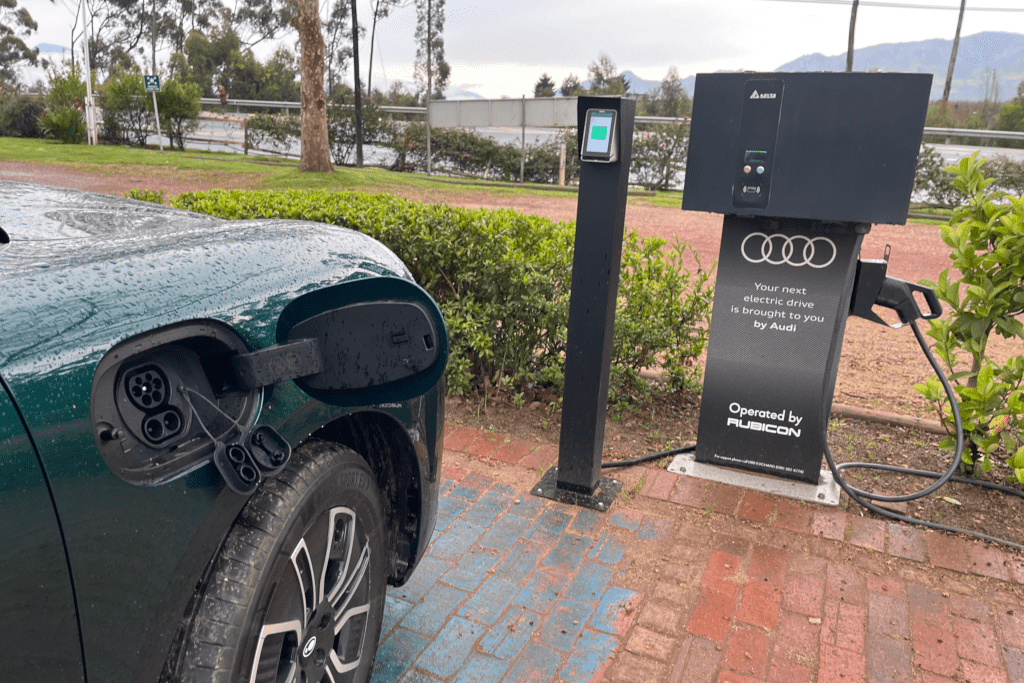
With a coffee and a pastry in hand, plugging the ORA 5 into a 25 kW Rubicon charger took all of a minute. From there it sat outside topping up the battery while I stayed dry and warm within.
The verdict
Moving from a petrol car to the fully electric ORA 5 turned out to be more straightforward than expected, and any EV anxiety I’d been carrying was gone within the first few kilometres. The instant torque was the biggest surprise: pulling away from a standstill or overtaking on the pass needed none of the throttle anticipation a petrol engine demands, the power is simply there the moment you ask for it.
The cabin feels tech-forward without being intimidating, though anyone regularly hauling bulky cargo will need to work around the tighter boot, and adjusting some features through the central screen still takes more attention than it should while driving.
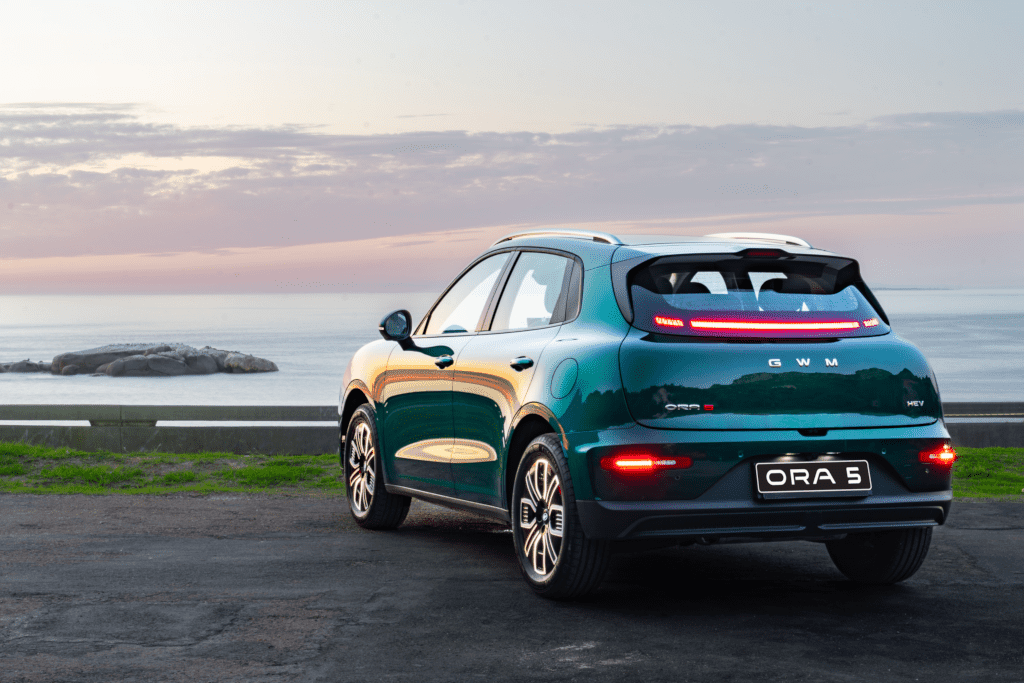
Driving through slick conditions over Sir Lowry’s Pass and stopping for coffee at Peregrine highlighted just how natural, and genuinely enjoyable, modern motoring has become.
Handing back the keys and returning to a petrol car afterwards felt like a step backwards. It isn’t about changing how you live your life; it’s simply a quieter, calmer way of getting where you’re going.
Specifications
Price: R549 900 (Super Luxury)
Motor: Front-mounted permanent magnet synchronous motor, 150 kW / 260 Nm
Performance: 0-100 km/h in 8.0 seconds
Range: Up to 440 km (WLTP) claimed; trip computer shows 482 to 580 km on a full charge; real-world reports range from 380 to 440 km
Battery: 58.3 kWh lithium-ion
Charging: Up to 120 kW DC fast charging
Consumption: 15.5 kWh/100 km (claimed average)
Boot: 362 litres (seats up), 1 060 litres (seats folded)
Safety: 6 airbags, automatic emergency braking, lane departure warning with lane keep assist, 360-degree camera, adaptive cruise control
Warranty: 7 years/200 000 km vehicle; 8 years/150 000 km high-voltage battery and battery parts
Service plan: 7 years/75 000 km, 15 000 km service intervals
Published 21 September 2026. ©Jeanette Gibson | Pictures by the manufacturer & the author