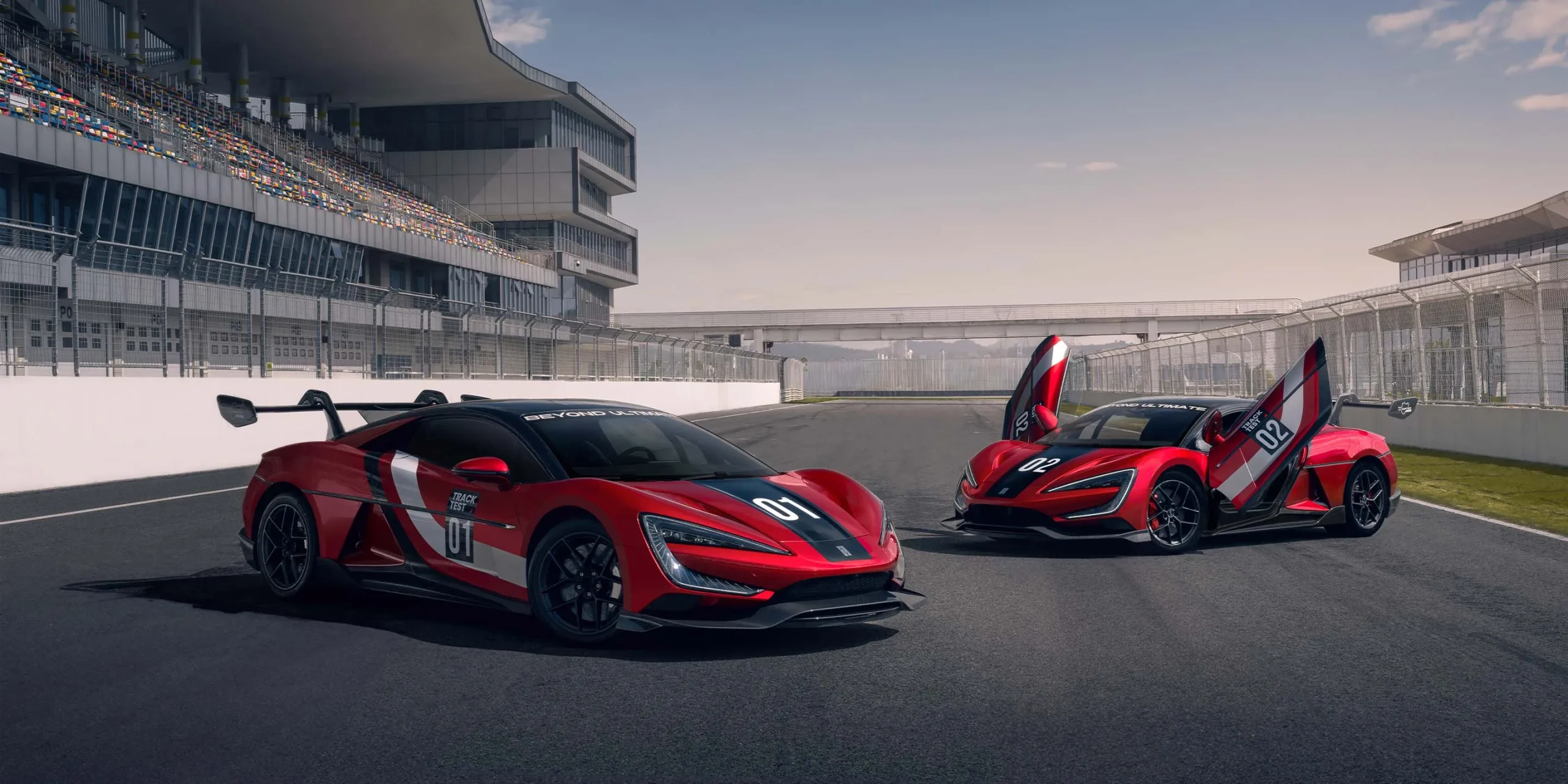
When people talk about the dawn of the electric vehicle, the conversation usually centers around modern the General Motors EV1, the Nissan LEAF, Tesla, or the sudden influx of quiet crossovers arriving on South African showroom floors. But the truth is, electric cars aren′t a brand-new invention.
More than a century ago, long before traffic lights, national highways, or load-shedding were things to worry about, an electric vehicle was the absolute fastest thing on four wheels.
That machine was La Jamais Contente (French for “The Never Satisfied”).
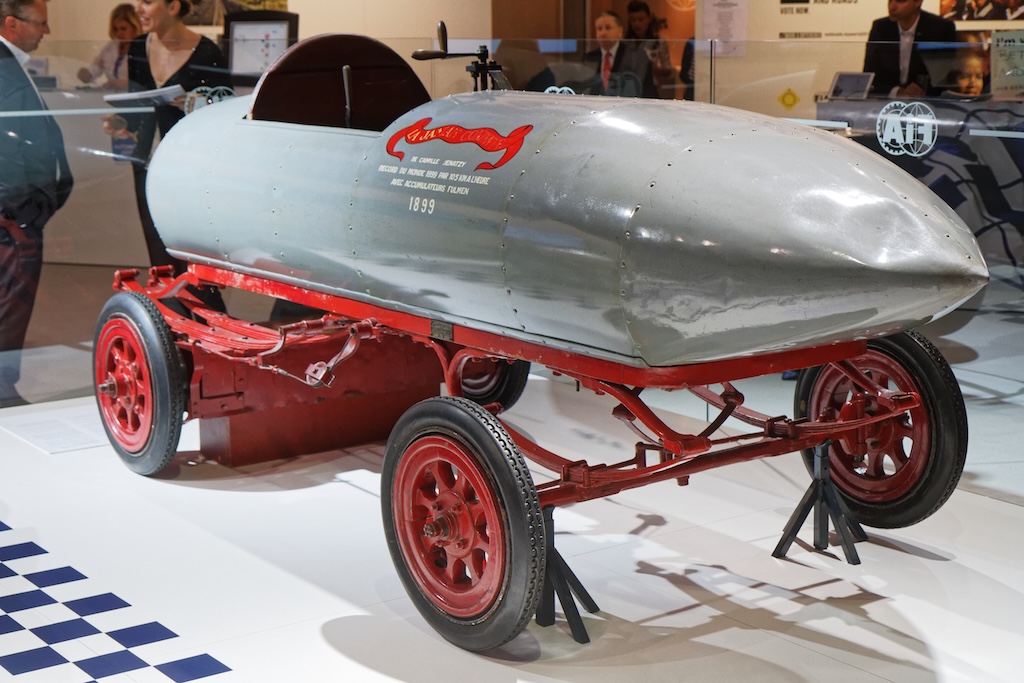
A Rocket shape on bicycle-sized wheels
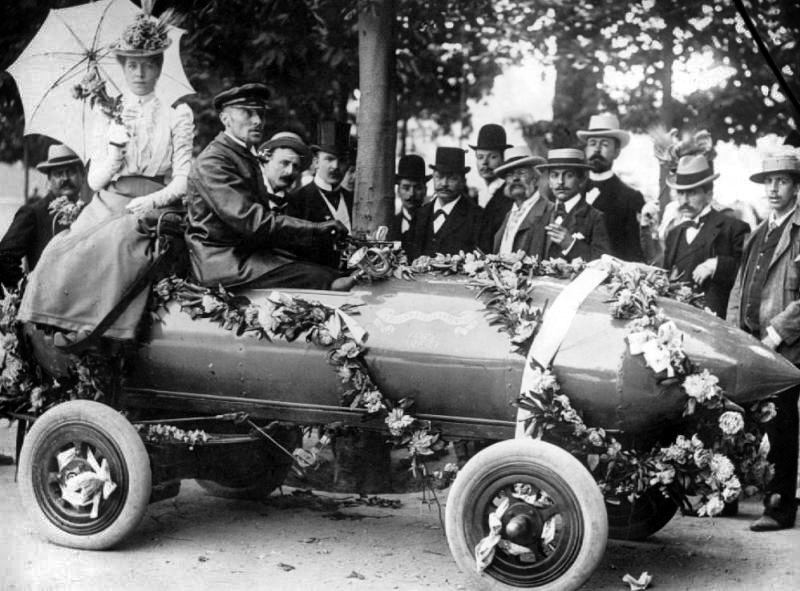
Back in April 1899, on a public road in Achères outside Paris, a fearless Belgian engineer and racing driver named Camille Jenatzy did something extraordinary. He strapped himself into a bizarre, torpedo-shaped carriage and flattened the throttle.
The vehicle looked like nothing else at the time. Built out of partinium, an experimental, lightweight alloy of aluminum, tungsten, and magnesium, it stretched nearly four meters long. Power came from two direct-drive Postel-Vinay electric motors running on a 200-volt system, pushing out roughly 68 horsepower (50.7 kW).
Crucially, it didn’t use petrol or steam. It was fully electric, juiced by heavy Fulmen lead-acid batteries tucked into its belly.
Breaking the magic century mark
Jenatzy was locked in a fierce, public rivalry with French carriage-maker Gaston de Chasseloup-Laubat to claim the land speed record. The two men kept leapfrogging each other’s records week by week, alternating between electric and combustion prototypes.
On 29 April 1899, Jenatzy settled the score. He pushed La Jamais Contente to a staggering 105.88 km/h.
To put that into perspective for local motorists: he wasn’t just beating other electric cars; he became the very first person in history to drive any road vehicle past the 100 km/h mark. Steam and petrol cars had to chase his dust that day.
Why did the EV revolution wait a century?
Looking at it through a modern lens, Jenatzy’s beast had some wild design quirks. The driver sat perched high up in the open air, completely exposed above the aerodynamic shell, meaning the driver’s body acted like a giant airbrake while hurtling down the road. With no seatbelts, no roll cage, and solid rubber tires, it took a serious amount of grit to pilot.
So, if EVs were setting world speed records at the turn of the 20th century, why did petrol engines take over for the next hundred years?
Ultimately, it boiled down to infrastructure and energy density. In the early 1900s, the discovery of vast crude oil reserves made petrol cheap and plentiful. Internal combustion engines offered quick refueling and longer ranges across vast distances, a major hurdle back then, much like range anxiety can be for drivers tackling a cross-country trip through the Karoo today. Electric cars faded into a niche, mostly used as quiet city delivery vans or urban carriages before disappearing entirely for decades.
Today, as South Africa slowly builds out its charging grid and electric mobility finds its footing on our national roads, La Jamais Contente remains a brilliant historical reminder: the future of motoring started on electrons, not petrol.