
With a chiselled body, a cabin good enough to eat, and a promise of go-kart handling, the Cooper SE positions itself as a premium sports hatch. But can it deliver the quintessential MINI experience we’ve come to expect? Words and pictures by Justus Visagie. Additional images from MINI.
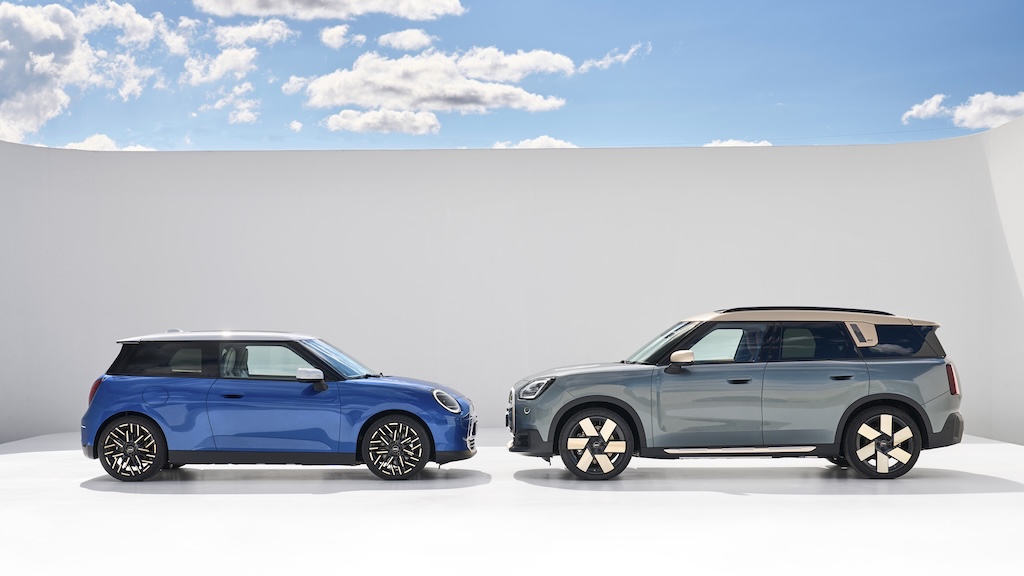
The latest Cooper SE arrives as MINI’s electric ambitions reach maturity, following the original Cooper SE that launched with almost half the driving range of this new model. What began as a single electric offering has now expanded into a comprehensive three-model lineup, including the crossover Aceman and the larger electric Countryman (below, right), demonstrating MINI’s commitment to electrification across its range.
Exterior design
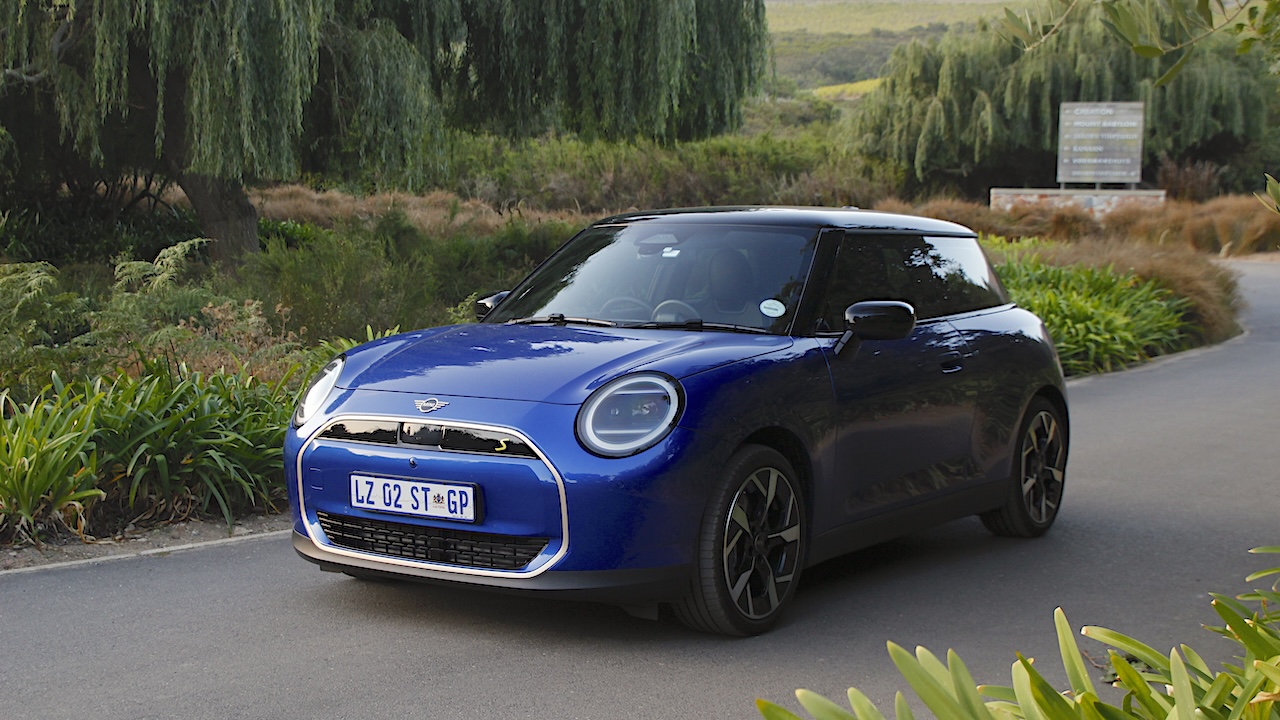
The fifth-generation Cooper SE embodies what MINI calls “Charismatic Simplicity.” The design team has embraced a philosophy of reduction, stripping away excessive physical detail to create a cleaner, more purposeful aesthetic that feels both familiar and refreshingly modern.
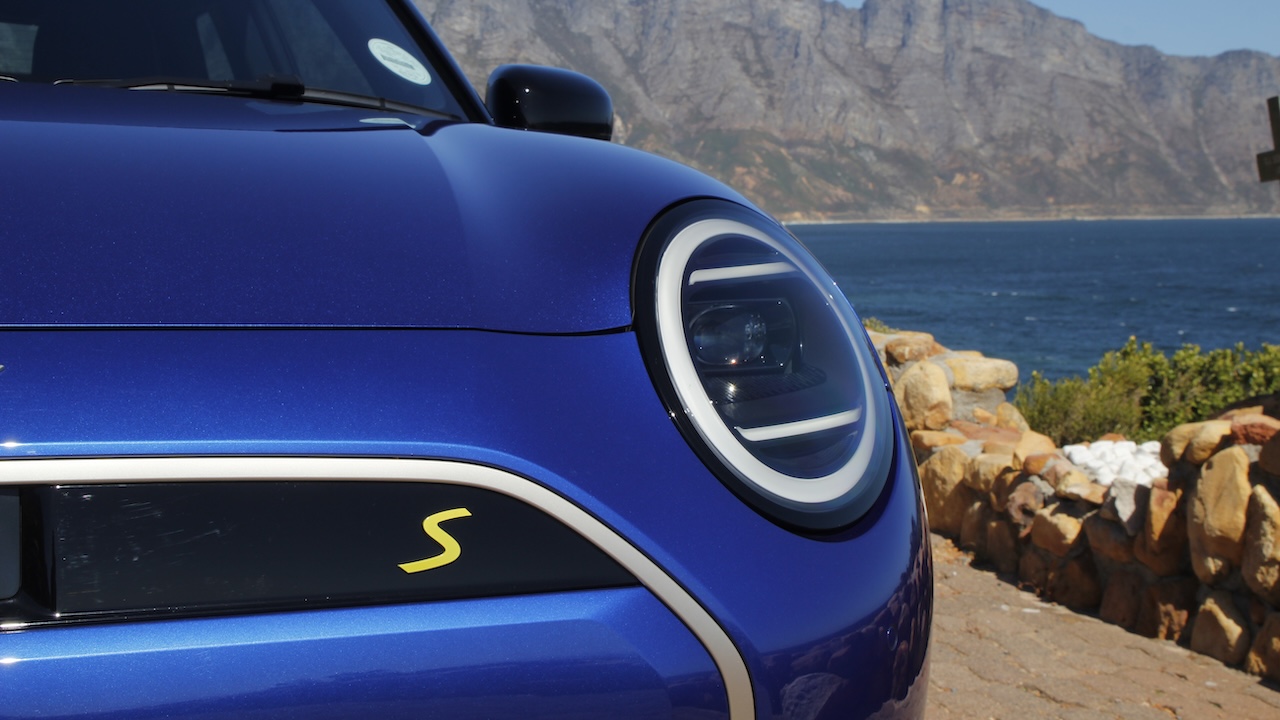
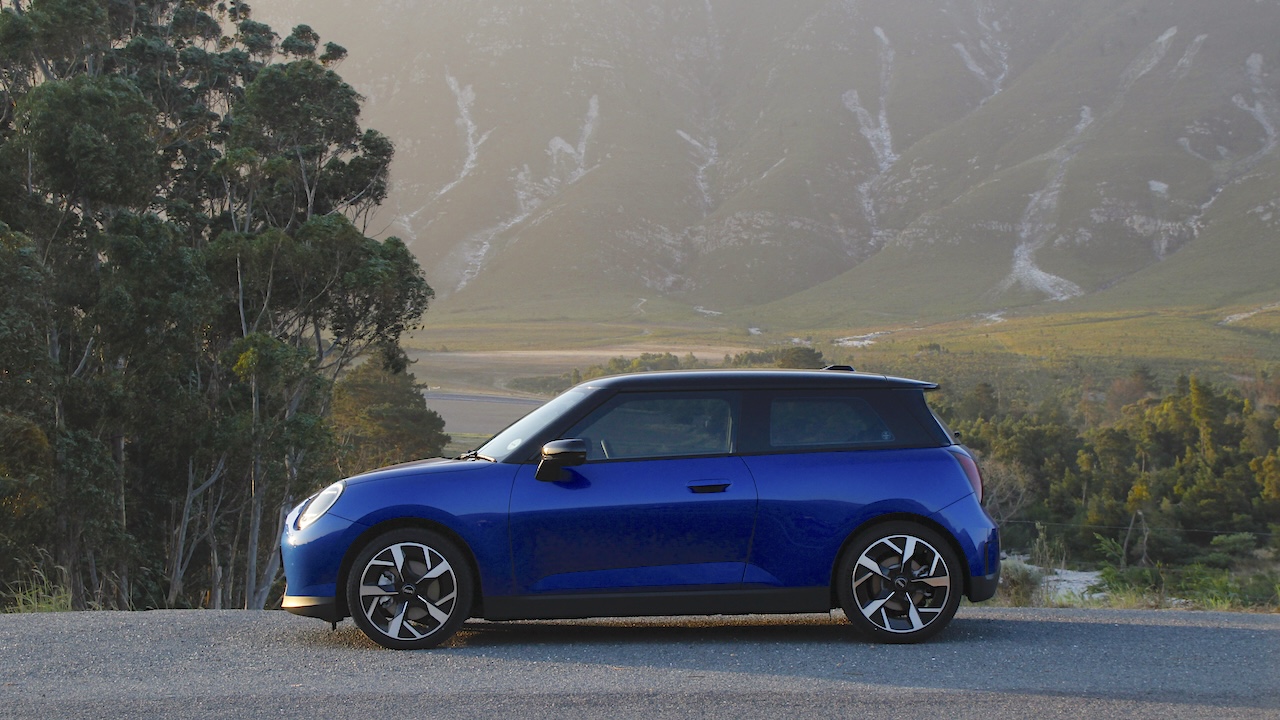
Key to this transformation are the flush door handles – a first for MINI – which contribute to the streamlined appearance but also improve airflow around the vehicle. This aerodynamic refinement helps the Cooper SE achieve a respectable 0,28 coefficient of drag, matching the Volvo EX30’s efficiency in cutting through air resistance.
The result is a design that cuts a distinctive figure on the road, with vibrant colour options that ensure it stands out while maintaining the essential MINI character that enthusiasts expect.
Interior and technology
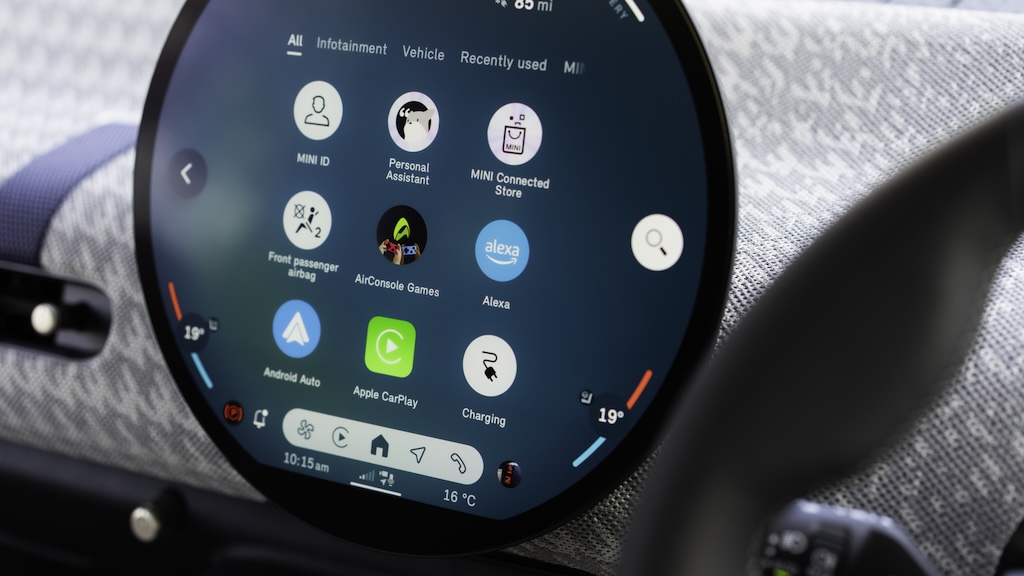
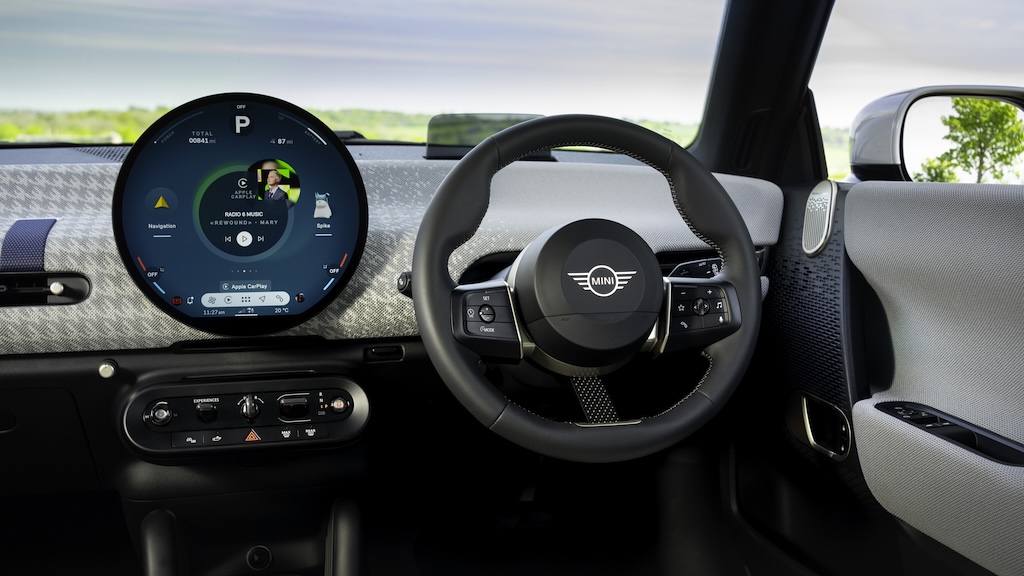
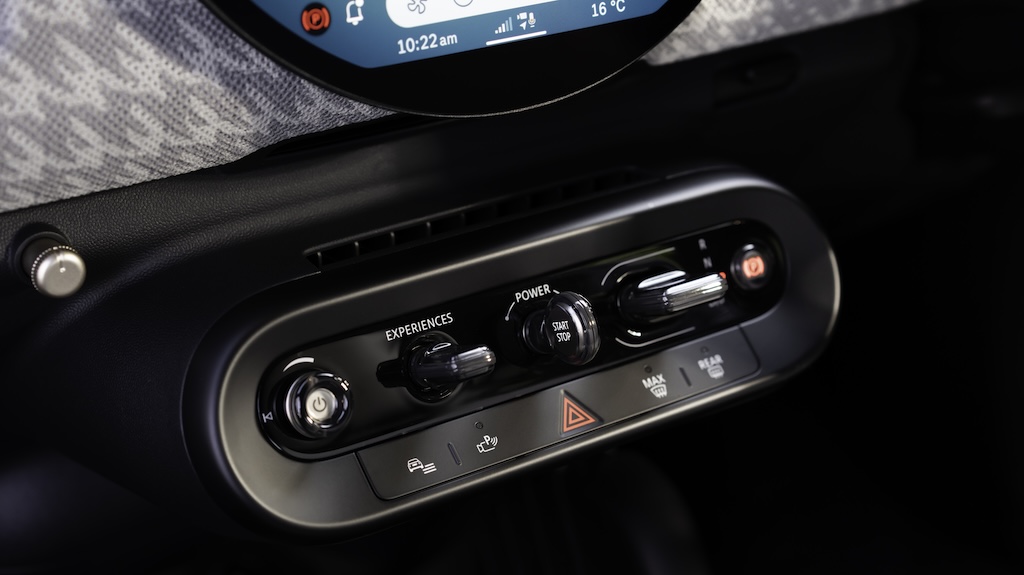
The Cooper SEs standout feature is MINI’s circular 240mm OLED display running Android-based Operating System 9. While visually striking and intuitive once learned, it creates frustrations – adjusting cruise control requires five virtual button presses, and simple functions like air recirculation demand multiple taps instead of single button presses. Physical controls remain via a toggle bar for essential functions.
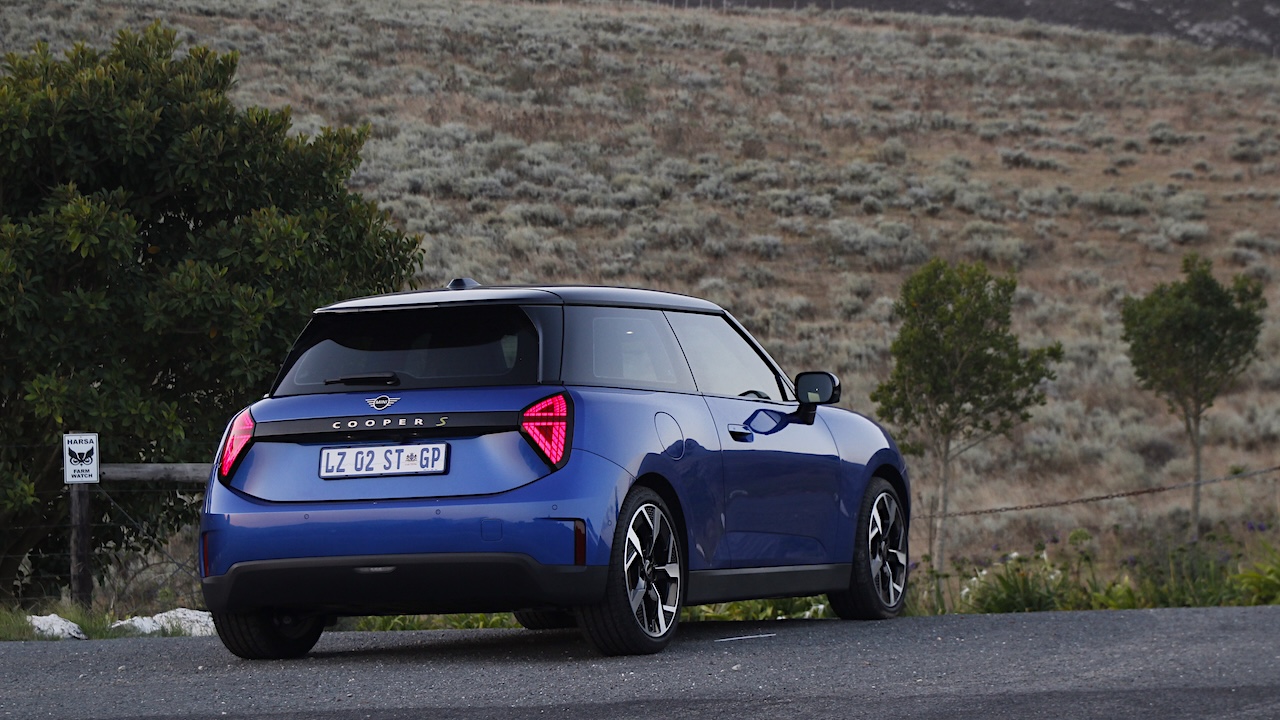
Interior materials impress with premium recycled polyester textiles and ambient lighting that shifts with drive modes. Seating comfort is good, though lumbar support adjustment is missing at this R802 000 price point. Rear space stays severely limited, suitable mainly for luggage, while the boot offers 210 litres (800 litres with rear seats folded).
Performance and driving dynamics
The Cooper SE’s 160 kW electric motor delivers 330 Nm of torque, propelling the car from standstill to 100 km/h in 6,7 seconds, significantly quicker than most combustion MINIs. This feels genuinely quick in practice, with instant torque delivery providing engaging urban acceleration that rivals the Volvo EX30’s urgency, despite the Swede’s superior sprint times.
Bring on the Ozempic
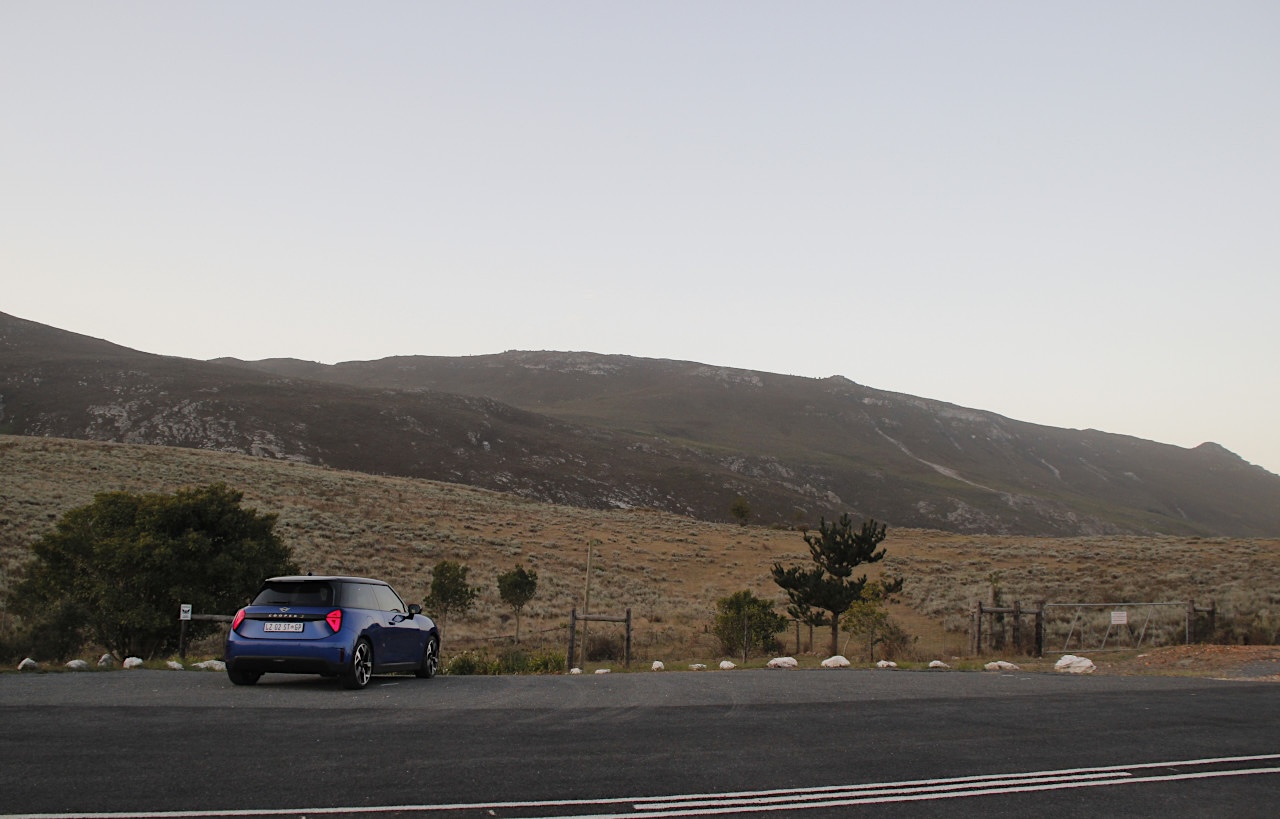
While the steering remains direct and communicative, there’s an underlying sense that the front wheels struggle with the combination of weight and power. The little Cooper might measure well under 4m in length, but it carries a substantial 1,6-tonne kerb weight. To put this in perspective, a Suzuki Swift 1.2 GL weighs just 908 kg – nearly 700 kg lighter than the electric MINI.
Fortunately, advancing battery technology promises lighter, more energy-dense solutions that should help future electric vehicles shed excess weight.
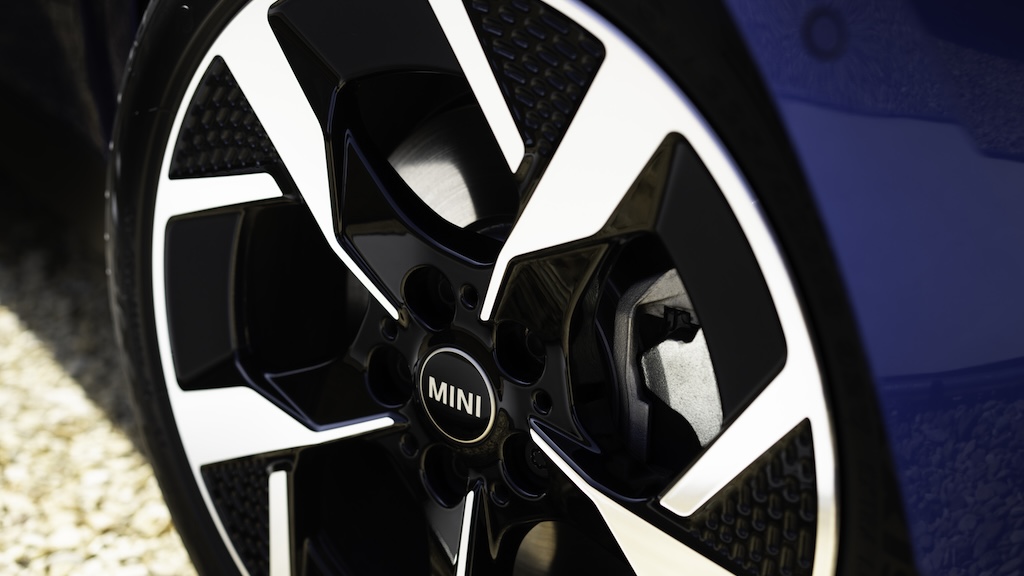
Torque steer is noticeable under hard acceleration, and a slightly tenuous front-end grip prevents complete confidence when pushing the limits. This might disappoint enthusiasts expecting the planted feel of lighter, naturally aspirated MINIs.
The suspension copes adequately with battery weight, though it lacks the composed ride of a BMW iX1. When cornering hard, the Cooper SE outperformed the Volvo EX30, proving MINI’s engineers have done their homework. Yet the car never quite shakes the sensation of carrying more weight than its compact dimensions suggest.
Regenerative braking adjustment frustratingly requires diving into menus rather than using steering wheel paddles. This represents a missed opportunity for a supposedly driver-focused car that contrasts poorly with the intuitive controls found in Mercedes’ electric models.
Electric powertrain and efficiency
The Cooper SE’s 54,2 kWh battery (49,2 kWh usable) delivers a claimed range of 400 kilometres, though real-world expectations should be more modest. With measured driving, consumption figures around 13 kWh per 100km are achievable, while spirited driving predictably increases this significantly.
During our test week, the trip computer typically indicated 360 km range on a full charge, representing a more realistic expectation for daily use.
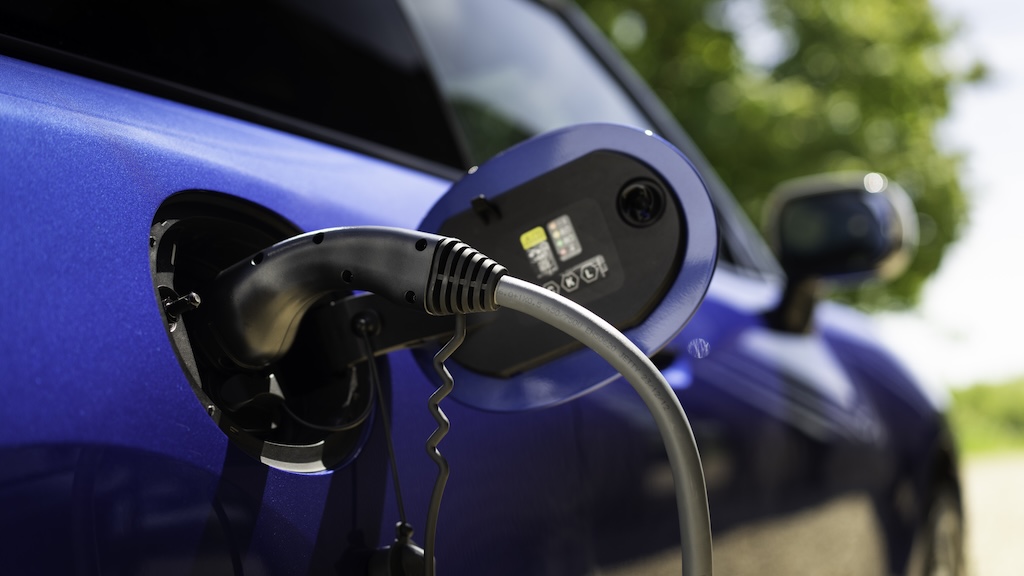
Charging performance proves competitive for the class. DC fast charging peaks at 95 kW, enabling 10-80% replenishment in roughly 30 minutes at compatible stations. The 11 kW AC charging capability handles most overnight and workplace scenarios effectively, adding approximately 90 km of range per hour.
Experience modes and personalisation
MINI has gone to considerable lengths to differentiate the Cooper SE’s various driving modes, which they call Experience Modes. Seven modes are available, ranging from the efficiency-focused Green mode to the performance-oriented Go-Kart mode. Each mode changes not just the car’s dynamic behaviour but also the display graphics, interior lighting, and even the sounds the car makes.
The Go-Kart mode is particularly entertaining, featuring anthracite and red colour schemes throughout the interior while sharpening throttle response and adjusting traction control settings.
Green mode prioritises efficiency with increased regenerative braking and optimised power delivery. Personal mode allows you to upload your own image as the display background, with the dominant colours extending across the dashboard via the MINI projector system.
The way the entire cabin transforms, from lighting to graphics to audio, creates a genuinely immersive experience that justifies MINI’s focus on personalisation.
Technology and assistance systems
Beyond the central display, the Cooper SE offers a comprehensive suite of modern assistance systems. The Parking Assistant Plus uses 12 ultrasonic sensors and four cameras to identify parking spaces and execute manoeuvres automatically. The party trick is Explore Mode, which allows you to park the car using your smartphone if the space is too tight for you to remain inside.
The MINI Intelligent Personal Assistant responds to “Hey MINI” commands and can control various vehicle functions through voice commands. The system works well in practice, though it occasionally struggles with ambient noise or unclear pronunciation.
Head-up display is available as an option and proves useful, showing speed, speed limits, cruise control settings, and battery level information directly in your line of sight. The quality and brightness are adequate, though not exceptional.
Value and competition
At R802 000, the Cooper SE positions itself firmly in premium territory. This pricing reflects its positioning against other premium electric vehicles rather than traditional small cars. However, the high price makes every compromise more glaring. The limited rear space, occasionally frustrating interface, and handling limitations that come with the weight penalty are a little harder to forgive when paying top dollar for a pocket rocket.
The Cooper SE faces competition from vehicles like the Volvo EX30, though MINI’s unique design language and brand appeal offer points of differentiation. The question becomes whether the Cooper SE’s personality and technological showcase justify the premium over more practical alternatives.
For the same money, buyers should also consider the MINI Aceman E (R800 000), GWM Ora 03 400 Ultra Luxury (R805 950, but heavily discounted), BYD Atto 3 Extended Range (R835 000), Volvo EX30 Core Single Motor (R835 500), and MINI Aceman SE (R892 000)
Conclusion
The MINI Cooper SE represents a bold reimagining of what the brand can be in the electric age. Its circular OLED display is a striking centrepiece, the interior materials feel premium and sustainable, and the various Experience Modes create an engaging, personalised driving environment that no other manufacturer currently matches.
However, this technological showcase comes with real-world compromises. The screen-centric interface, though impressive, can be frustrating when you need to make quick adjustments. The 1,6-tonne weight impacts both handling dynamics and efficiency, whilst the limited rear space restricts practicality.
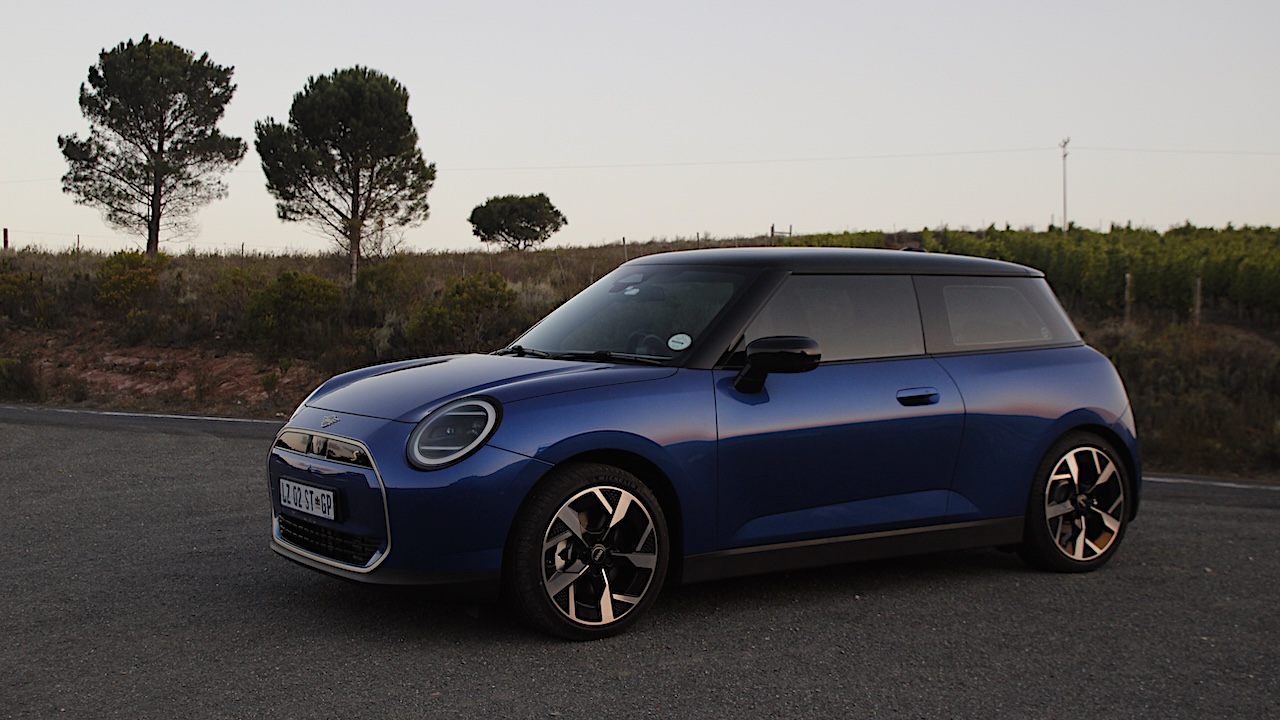
The Cooper SE succeeds as a statement piece and urban runabout for those who value style and technology over outright practicality. It’s a fascinating glimpse into MINI’s electric future and a genuinely entertaining car to drive in the right circumstances.
Whether it justifies its R802 000 asking price depends largely on how much you value its unique personality over more conventional electric alternatives.
Price: R802 000
Engine: Single electric motor, 160 kW, 330 Nm, front-wheel drive
Performance: 0-100 km/h in 6,7 seconds, 170 km/h top speed
Range: 400 km (WLTP), 360 km (real world)
Battery: 54,2 kWh lithium-ion (49,2 kWh usable)
Charging: 11 kW AC, 95 kW DC