
Minibus taxis are just 10% of Johannesburg’s traffic. A landmark study found they cause up to 40% of vehicle pollution in the city’s central and southern districts. The findings make a strong case for electrifying South Africa’s taxi fleet, with projects like GoMetro’s eKamva and Golden Arrow’s buses already proving the model works.
TRUE Initiative’s study, drawing on more than 250 000 vehicle exhaust measurements from over 145 000 vehicles, highlights why electric minibus taxis and Clean Air Zones are urgent public health priorities for South Africa’s largest metro.
Conducted by the Real Urban Emissions (TRUE) Initiative in partnership with Breathe Cities, the first-ever roadside remote sensing campaign in Africa analysed nearly 250 000 vehicle exhaust measurements across Johannesburg, collected from over 145 000 vehicles.
The findings confirm a stark reality: vehicle pollution is heavily concentrated in the city’s central and southern districts, driven largely by high-mileage commercial fleets and aging internal combustion engines.
The minibus crisis: up to 40% of pollution
At the centre of Johannesburg’s air quality challenge is the minibus taxi, the vital economic backbone that carries millions of residents daily from southern townships to northern commercial centres.

While minibus taxis represent just 10% of measured vehicle activity in central and southern Johannesburg, the report revealed they contribute between 21% and 40% of total vehicle exhaust emissions in these regions.
Compounding the problem is a massive structural fleet transition toward diesel power over the last two decades. In 2001, diesel models accounted for just 7% of new minibus taxi registrations in South Africa. By 2025, that figure reached a staggering 98%. Diesel minibus taxis showed up to 18 times higher average particulate matter and up to 44 times higher average nitrogen oxide emissions than their petrol counterparts, creating severe public health risks.
Legacy fleets and the “clean diesel” myth
The study also delivered a clear warning to policymakers relying on modern internal combustion engine (ICE) standards to curb urban emissions.
Even the newest diesel passenger cars, light commercial vehicles (LCVs), and heavy trucks measured on Johannesburg’s roads exhibited real-world nitrogen oxide and particulate matter emissions three to 14 times higher than Euro 6/VI regulatory limits.
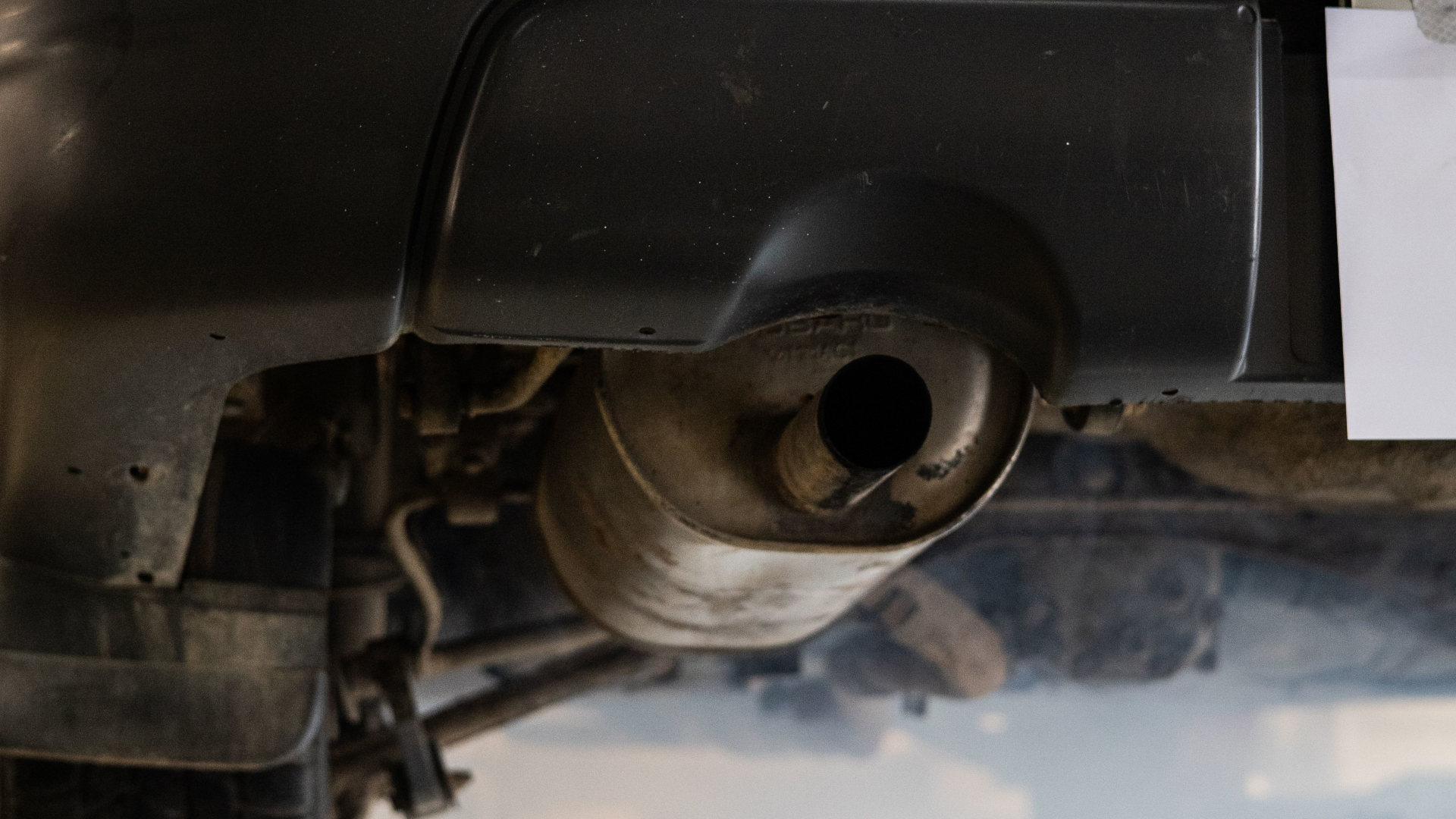
At the same time, legacy petrol vehicles continue to disproportionately pollute the air. Petrol passenger cars registered before 2006 make up just 4% of the active fleet but generate 12% to 24% of total fleet emissions across hydrocarbons, carbon monoxide, nitrogen oxides, and particulate matter.
Older petrol minibus taxis show a similar pattern: those registered before 2006 make up only 8% of the minibus taxi fleet but contribute 22% to 25% of its total carbon monoxide and hydrocarbon emissions.
Unlocking the electric advantage
To mitigate these dangerous exposure levels, the TRUE Initiative strongly endorses the City of Johannesburg’s plan to establish Clean Air Zones (CAZs) in high-exposure central and southern corridors. This would be paired with expanded vehicle inspection and maintenance enforcement for commercial fleets.
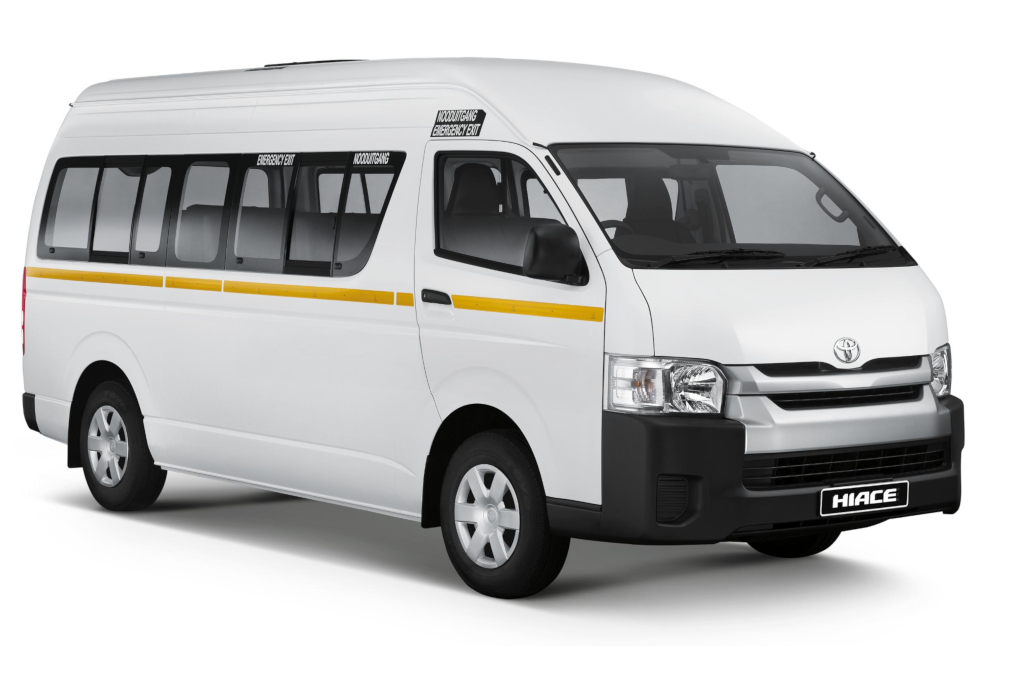
Crucially, the report positions the electrification of minibus taxis as the most effective single intervention for cleaning the city’s air. Because minibus taxis run high daily mileages, often covering 200 to 300 km per day, they offer a compelling case for the long-term cost advantage of going electric.
While an electric minibus carries a significantly higher upfront purchase price, its operational economics improve substantially over its lifespan: electricity is cheaper per kilometre than diesel, and electric powertrains eliminate high-maintenance components like fuel injectors, clutches, and complex exhaust after-treatment systems.
However, high upfront capital costs remain a significant barrier for individual taxi operators without targeted intervention. The report calls for innovative financing mechanisms to de-risk the initial purchase, and that shift is already beginning to take shape on the ground.
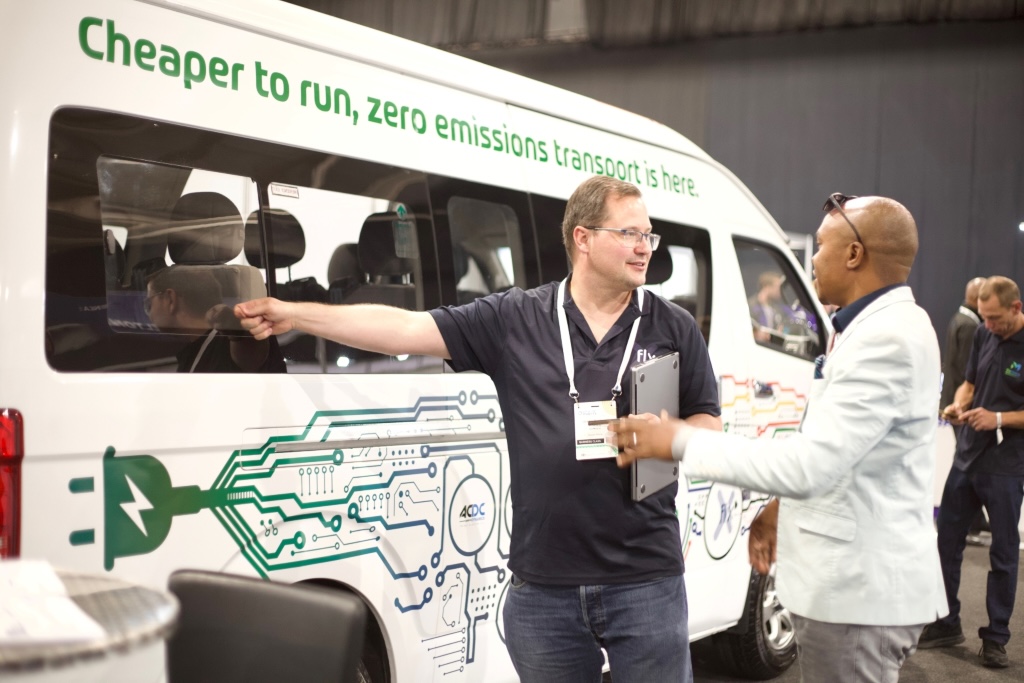
A concrete example is GoMetro’s eKamva, a 15-seater electric minibus taxi. The vehicle is set to launch its first commercial routes through 15 taxi associations in Cape Town’s Century City in October 2026, with full electrification of the area targeted within three to four years.
The model addresses the upfront cost barrier directly: taxi owners finance the chassis conventionally while the battery runs on a separate energy contract. This is similar to a mobile airtime plan, bringing the entry cost in line with a diesel equivalent. Coetzee estimates operators could save 50 to 70% on energy costs, with vehicles fast-charging during the natural midday lull between peak shifts.
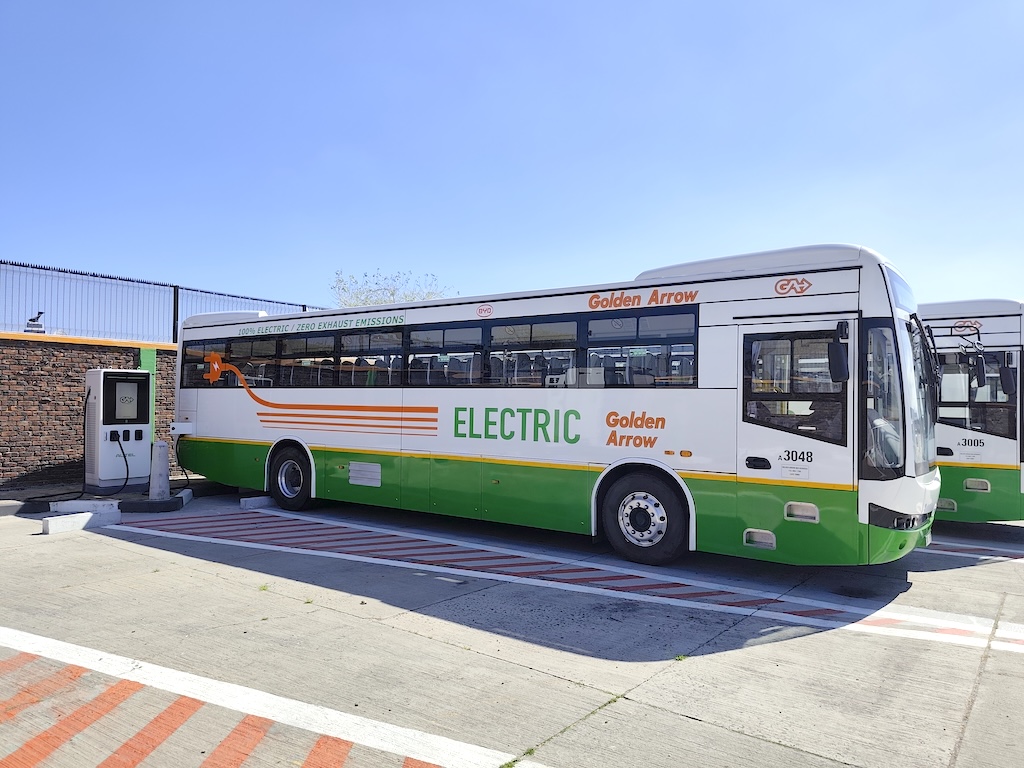
Public transport operators are showing the same shift is viable at scale. Golden Arrow, Cape Town’s largest bus operator, now runs 120 fully electric buses, 10% of its fleet, with solar power feeding as much as 68% of the electricity used to charge them. The company has signalled its intention to electrify its entire fleet over time.
What the data shows
“We see that a small number of older vehicles emit a disproportionate amount, so targeted policies to quicken fleet turnover will be crucial to improve air quality,” says Mallery Crowe, a researcher at the International Council on Clean Transportation (ICCT) and one of the report’s authors.
The report itself points to minibus taxis, not private luxury vehicles, as the higher-value starting point for South Africa’s EV transition, given their high daily mileage and the lifetime cost advantage this creates over time.
South Africa has a clear path forward: adopt cleaner Euro 6d/VI-D fuel standards and make financing easier for electric minibus taxis. Together, these steps could protect public health while modernising how the country’s cities move.
Whether that happens quickly is now a question for policymakers. eKamva and Golden Arrow are already proving the model works on the ground. The pace of national reform will determine how fast it spreads.