
The Omoda C9 PHEV arrives at R1m with a claim that sounds almost unreasonable: that it can match the space, luxury and technology of European premium SUVs at roughly half the price. After a week behind the wheel, the unreasonable turns out to be largely true.
First impressions
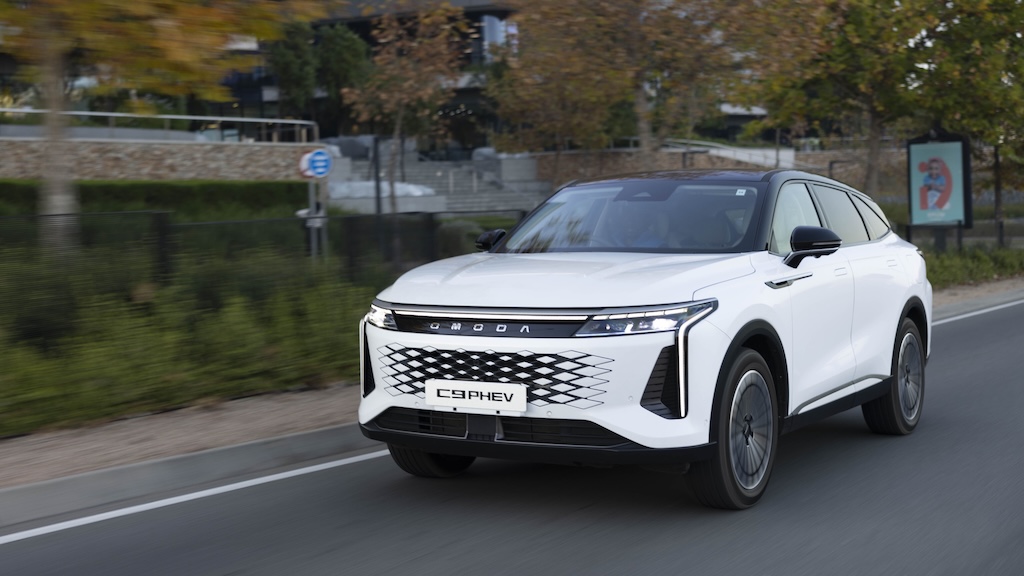
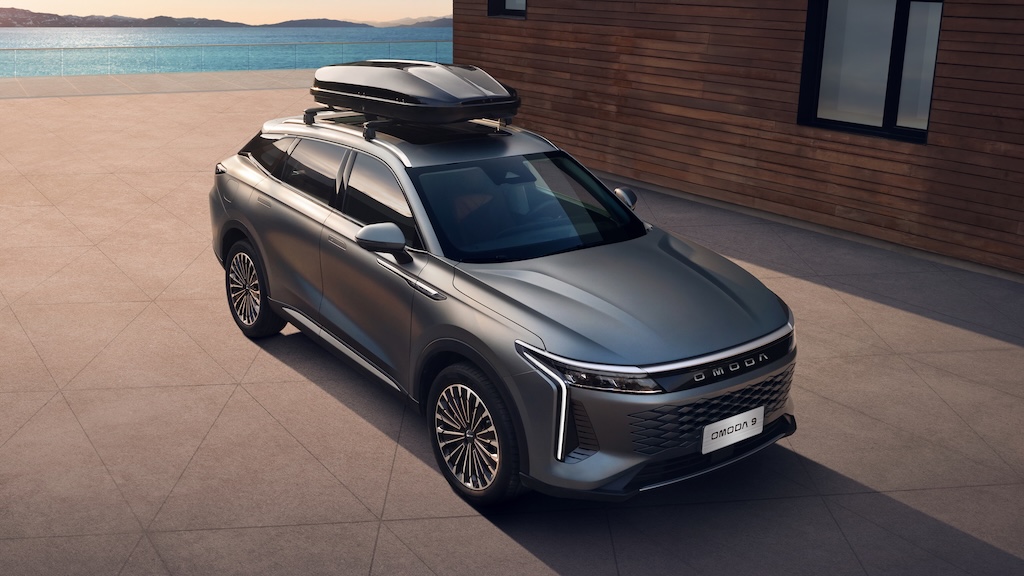
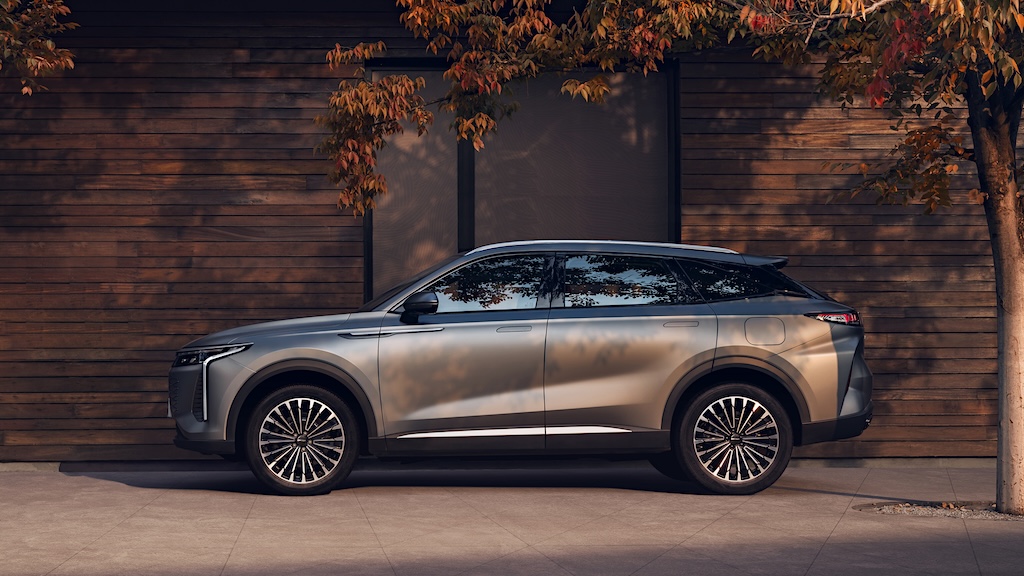
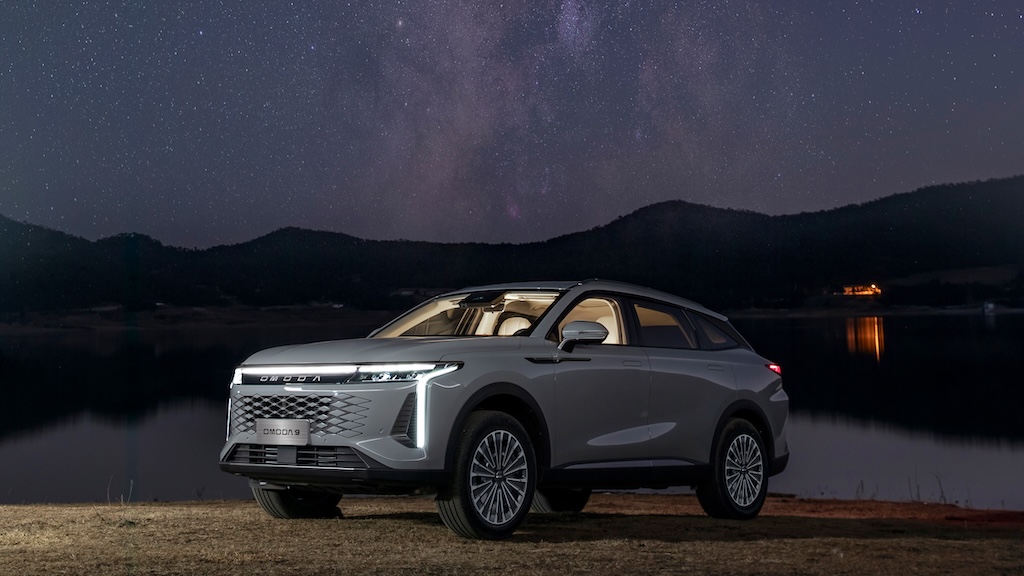
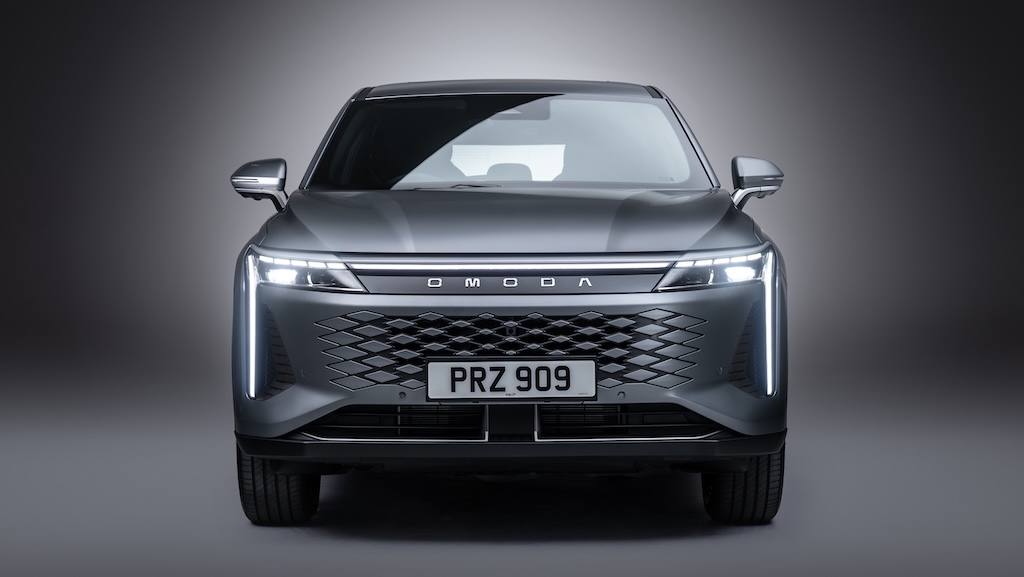
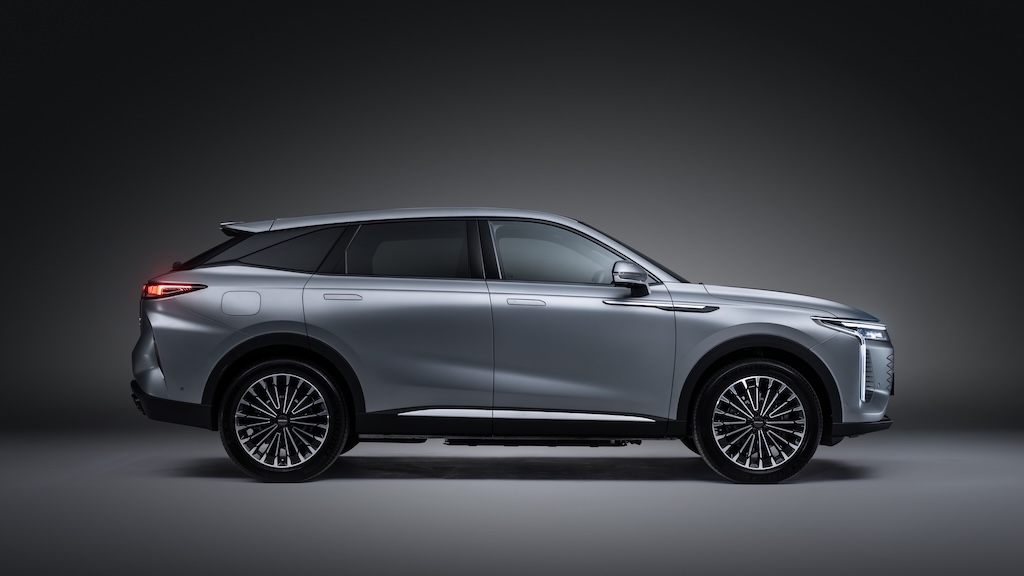
The C9 PHEV is a large, handsome SUV with a cross-coupe roofline that gives it a more purposeful stance than its dimensions might suggest. The test car arrived in a matte grey finish that suited it well, restrained where the design could easily have been overwrought. The diamond-pattern grille, flush door handles, and red-painted brake callipers all signal that Omoda is pitching this car at buyers who notice such things. The panoramic sunroof and 20-inch alloys round out an exterior that draws second glances without demanding them.
Inside
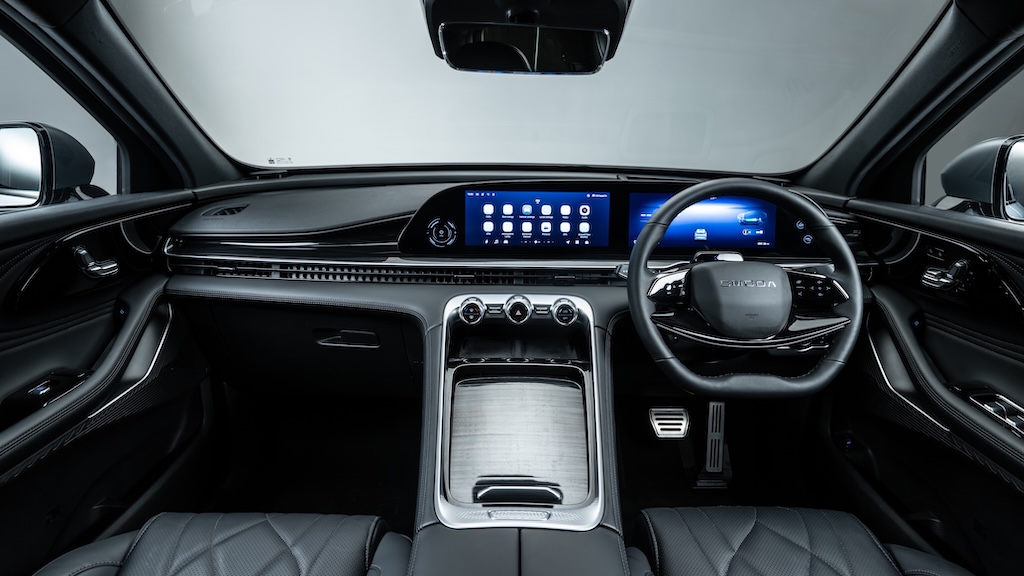
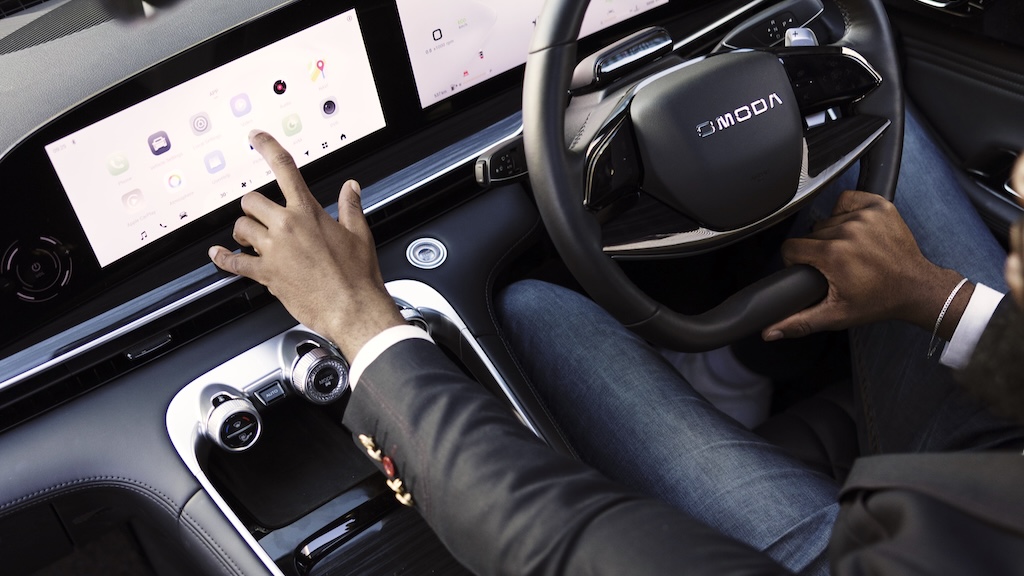
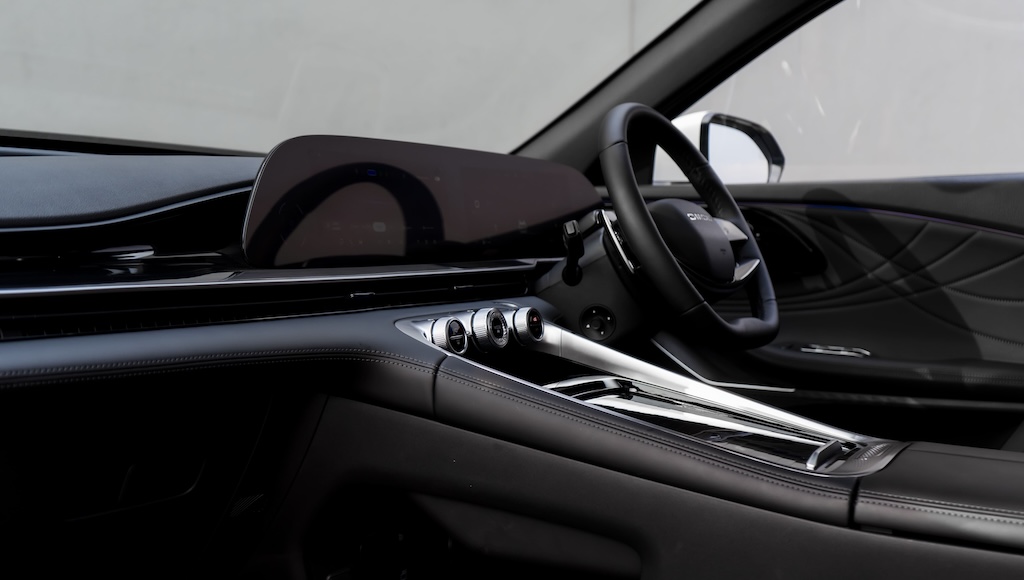
Step inside and the cabin makes an immediate impression. The Nappa leather upholstery is the real thing: soft, well-stitched, and without the slightly plasticky quality that sometimes betrays aspirational interiors. Rear passenger space is genuinely generous; adults sit comfortably rather than tolerantly, and the heated rear seats are a detail that many European rivals still charge extra for. Acoustic laminated glass keeps wind noise well at bay on the open road, and the 12-speaker Sony sound system rewards a decent playlist. The dual 12.3-inch digital displays are well-resolved and logically laid out.
Some buyers will hesitate at the name. There remains a reflexive scepticism towards Chinese-built cars in South Africa, despite the fact that most people already carry a Chinese-made smartphone, fly Chinese-made drones, and fill their kitchens with Chinese-manufactured appliances. The engineering philosophy behind modern Chinese vehicles is, in many respects, closer to the Japanese model of dependability than the European model of complexity. The C9 PHEV makes this argument with quiet confidence.
Living on electricity
The case for the C9 PHEV begins with a simple calculation. Omoda claims a pure electric range of 150 km on a full charge. In mixed urban and open-road driving, the real-world figure came in between 100 and 120 km. That gap between the official number and reality is narrower than many PHEVs manage, and more importantly, 100 km is enough.
For the majority of South African commuters, 100 km covers several days of driving. Even in a city like Cape Town or Johannesburg, most people are not travelling 100 km a day to work and back. This means the C9 PHEV can function, for most of the working week, as a fully electric vehicle. The petrol engine exists for the weekend trip to the Drakensberg or the Garden Route, not for the daily grind.
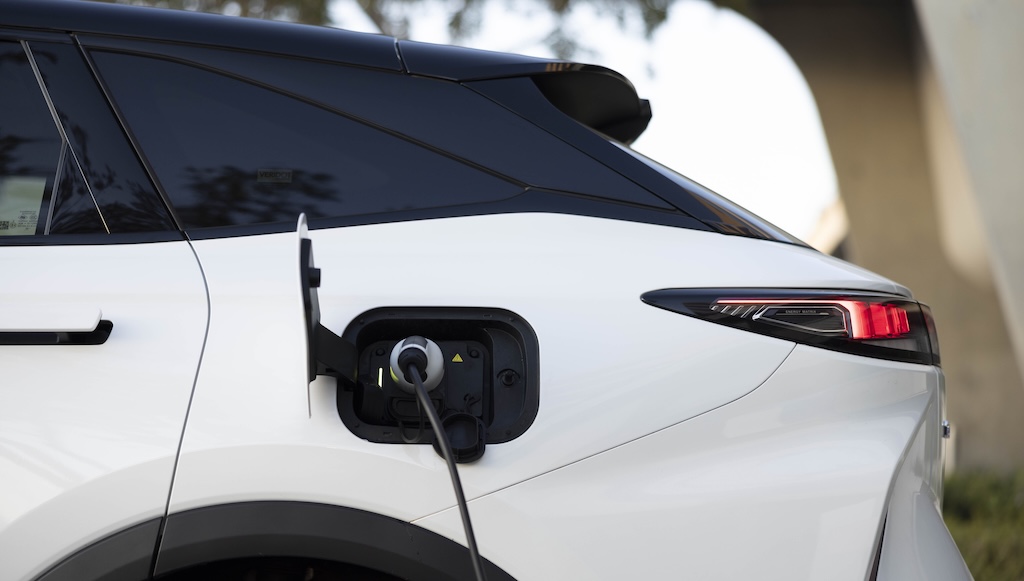
A practical note on charging habits: keeping the battery at around 80% rather than topping it to 100% every time will prolong its health over the long term. In everyday use, this means you may charge every second or third day, plugging in briefly each evening rather than waiting for a full depletion. The rhythm quickly becomes unremarkable.
When you need to go further
The 34.5 kWh battery is backed by a 70-litre fuel tank, which gives a combined range of over 1 100 km. This is the PHEV proposition at its most persuasive: no range anxiety, no route planning around charging stations, no compromise on long-distance trips. When the battery runs down on the open road, the 1.5-litre turbopetrol engine takes over, returning around 6.9 L/100 km. The official combined consumption figure of 1.4 L/100 km is a laboratory result; real-world economy will depend almost entirely on how frequently you plug in.
The numbers that matter
The C9 PHEV combines its petrol engine with three electric motors through a three-speed dedicated hybrid transmission, sending 440 kW and 915 Nm to all four wheels. The result is a 0 to 100 km/h sprint of 4.9 seconds, a figure confirmed during testing. To put that in perspective: this is a family SUV weighing 2 195 kg completing the benchmark sprint in the same time as a performance hatchback.
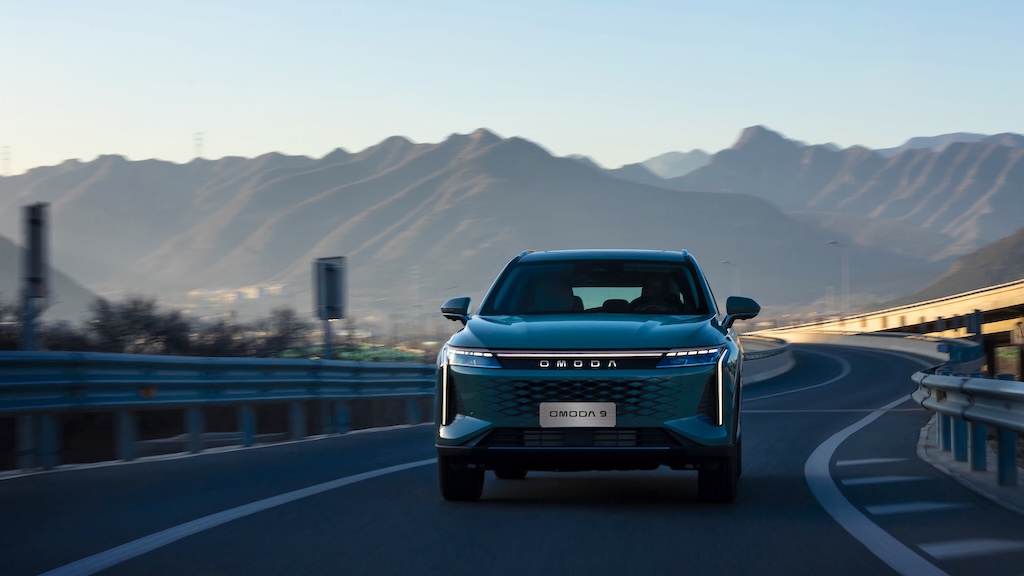
The full 440 kW and 915 Nm are genuinely accessible, but they arrive with the composure of an executive SUV rather than the aggression the numbers might imply. Both CAR Magazine and Cars.co.za noted a slight lag off the line and a power delivery that feels smoother than the spec sheet suggests. Cars.co.za clocked 4.89 seconds on their test strip, confirming the claim; CAR observed that the car “doesn’t feel as powerful as the outputs on its spec sheet would suggest” but concluded this is a feature rather than a flaw in a car built around comfort and refinement. Whether you need 440 kW in a family SUV is a separate question, but it does mean overtaking on a two-lane road is never a cause for anxiety.
A word of criticism
The trend towards all-touch infotainment is not unique to Omoda, but it remains an ergonomic step backwards for anyone who prefers to adjust climate or audio settings without taking their eyes off the road. Buttons are making a gradual comeback across the industry, driven by driver feedback and safety regulation; the next generation of this car will likely benefit from the correction.
The faux exhaust tips are an acquired taste. They serve no function on a vehicle that, for much of its operational life, produces no exhaust at all. You will either overlook them or find them a mild irritant; they are worth mentioning because they are the one exterior detail that undermines an otherwise cohesive design.
Charging in practice
Charging the C9 PHEV at home via a wallbox takes approximately 5.5 hours, which is comfortably achievable overnight. For faster replenishment, the car supports DC fast charging at up to 70 kW, taking the battery from 30% to 80% in around 25 minutes. In practice, plugging in at home each evening covers most daily requirements without difficulty. The growing public charging network in South Africa’s cities and along major routes means that DC top-ups during longer trips are increasingly feasible.
The value case
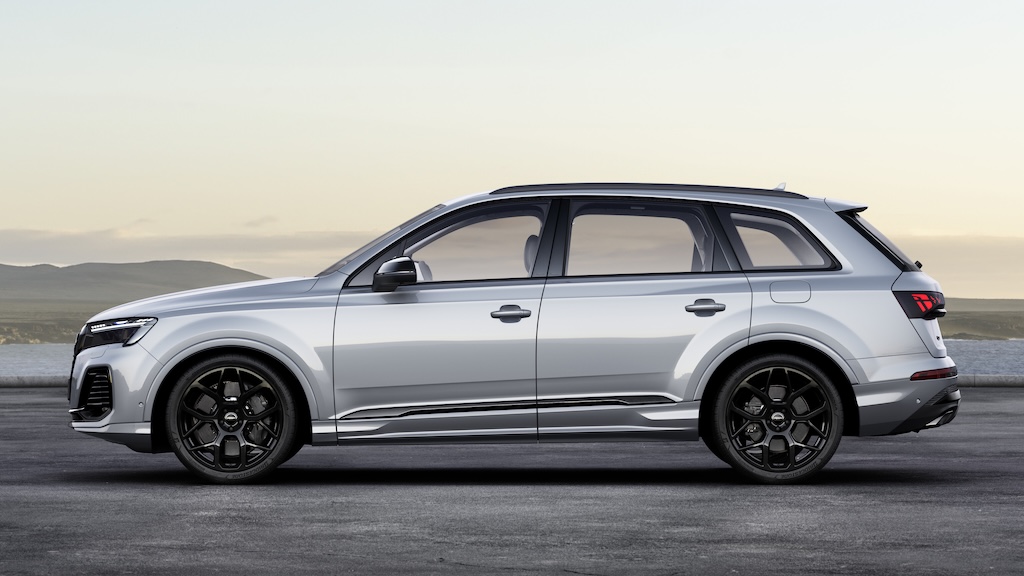
This is where the C9 PHEV becomes genuinely difficult to argue against. Consider the Audi Q7 TFSI Black Edition, configured with options that the Omoda includes as standard (heated rear seats, memory front seats, a heated steering wheel), the Q7 reaches R2 174 700. For that price you receive 250 kW, a 0 to 100 km/h time of 5.6 seconds, and combined fuel consumption of 9.3 L/100 km.
The C9 PHEV costs R999 900 and delivers 440 kW, a 0 to 100 km/h time of 4.9 seconds, and the ability to cover most of your weekly driving on electricity. It is, by any objective measure, the faster, more frugal and more generously equipped car, at less than half the price.
| Audi Q7 TFSI Black Edition | Omoda C9 PHEV | |
| Price | R2 174 700 | R999 900 |
| Power | 250 kW | 440 kW |
| 0 to 100 km/h | 5.6 seconds | 4.9 seconds |
| Consumption | 9.3 L/100 km | 6.9 L/100 km* |
| Heated rear seats | R9 400 option | Standard |
* With hybrid battery discharged
None of this is to suggest the Q7 is a bad car. It is not. But the value equation has shifted in ways that are difficult to ignore, and the C9 PHEV is a significant reason why.
One caveat: if your postal address is Val de Vie, Zimbali or Waterfall Equestrian Estate, you may want to clear this purchase with your home-owners’ association first. Certain neighbourhoods operate an informal admission policy requiring nothing less than an Audi, Volvo, BMW or Mercedes in the driveway. The C9 PHEV will outperform, outspec and outlast most of what it parks next to, but social hierarchies are not always responsive to evidence.
The BEV question
At R999 900, the C9 PHEV brushes against the price of some entry-level battery electric vehicles. Buyers who can charge at home reliably and whose daily distances fall well within a BEV’s range may find a pure electric alternative worth considering. But for those who need the reassurance of a petrol backup, whether for longer trips, uncertainty about charging access, or the straightforward comfort of never being left stranded, the PHEV case is compelling. It is also, for many buyers, the more practical first step into electric driving.
Verdict
The C9 PHEV is a better car than the market’s lingering scepticism towards Chinese brands would suggest. Its warranty is exceptional: ten years and unlimited kilometres on the hybrid battery for the first owner, a million kilometres on the engine. Its service intervals are 15 000 km with a seven-year service plan included. Its cabin competes credibly with vehicles costing significantly more. And for most daily driving, it runs on electricity.
For less than a million rand, the C9 PHEV offers a fast, quiet, well-appointed, electrified family SUV that will cover the weekly commute without burning a drop of fuel and handle the long weekend without a moment’s concern. That is an argument worth taking seriously.
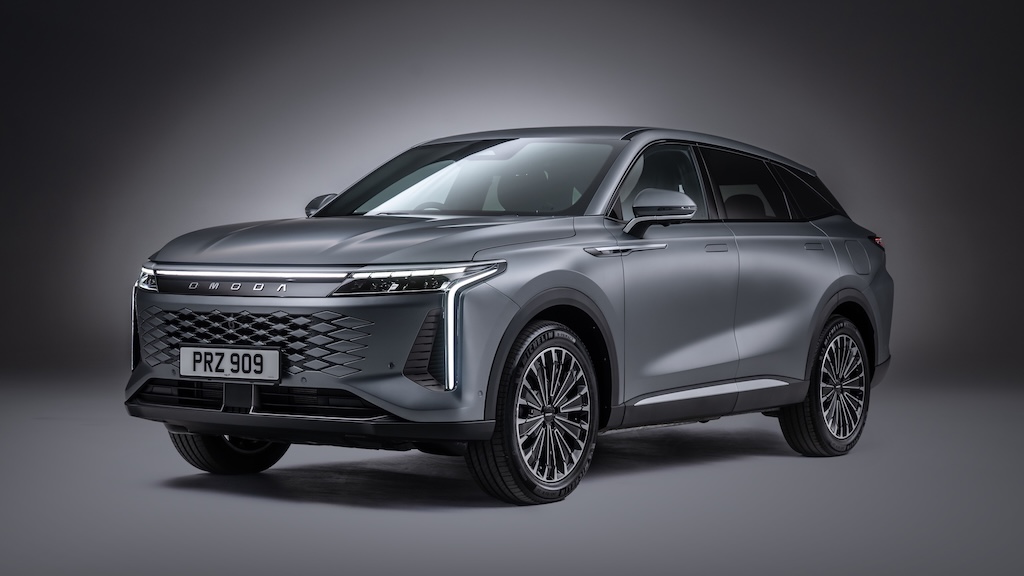
Specifications: Omoda C9 1.5T PHEV Explore AWD
Price: R999 900
Engine: 1.5-litre turbo petrol + 3 electric motors
Combined output: 440 kW / 915 Nm
Transmission: 3-speed dedicated hybrid, AWD
0 to 100 km/h: 4.9 seconds
EV range (claimed): 150 km
EV range (real-world): 100 to 120 km
Combined range: Over 1 100 km
Battery capacity: 34.5 kWh
DC fast charging: 70 kW (30 to 80% in approx. 25 min)
Home charging (wallbox): Approx. 5.5 hours
Fuel consumption: 6.9 L/100 km (hybrid battery discharged)
Boot capacity: 660 to 1 783 litres
Kerb weight: 2 195 kg
Service interval: 15 000 km
Service plan: 7 years / 100 000 km
Warranty: 7yr/200 000km vehicle | 10yr/1 000 000km engine (first owner) | 10yr/unlimited hybrid battery (first owner)