
If you’ve ever filled up your tank and wondered why you seem to get fewer kilometres per litre than your friend with a similar car in Europe, the UK or New Zealand, part of the answer might surprise you. It has nothing to do with how you drive. It has to do with the car you were sold, and the fuel it runs on.
South Africa has no binding fuel efficiency standards. And the petrol and diesel on sale here still meets only Euro 2 specifications, a standard the European Union retired in 1997. Together, these two facts shape what vehicles land on our showroom floors, what we pay to run them, and the air we breathe every day.
What is a fuel efficiency standard, exactly?
Think of it as a minimum bar that vehicle manufacturers have to clear before they can sell cars in a given country. The standard sets a limit on how much fuel a vehicle may consume per 100 km, or, flipped around, how far it must travel on a litre of petrol or diesel.
Governments set this rule for manufacturers, not for drivers. It’s not about telling you how to drive; it’s about ensuring that the vehicle you buy was built to a decent standard of efficiency in the first place.
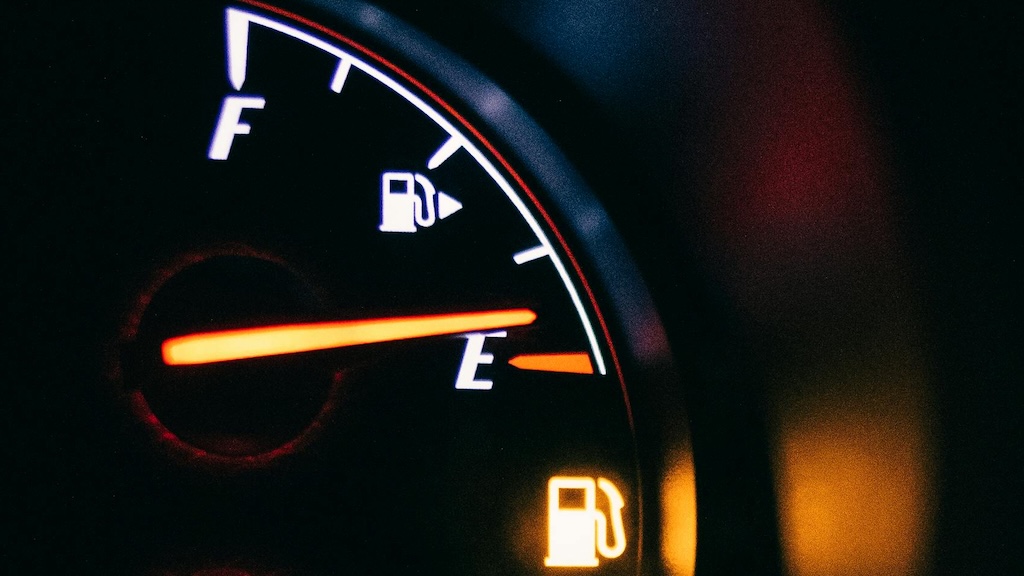
Most of the world’s major markets have had these rules for decades. The United States introduced its Corporate Average Fuel Economy standards in the 1970s. The European Union, Japan, China, India and many others have equivalent frameworks. They go by different names, but the principle is the same: if you want to sell cars here, they must meet the bar. And the bar typically tightens over time, pushing manufacturers to develop cleaner, more efficient technology.
So what happens without them?
Without standards, there is nothing stopping a manufacturer from selling you a vehicle that would not be legally permitted on the road in Europe or China. Older, thirstier engine technology that those markets have already phased out finds a ready home here. South Africa, with no such rules in place, effectively becomes a destination for vehicles the rest of the world has moved on from.

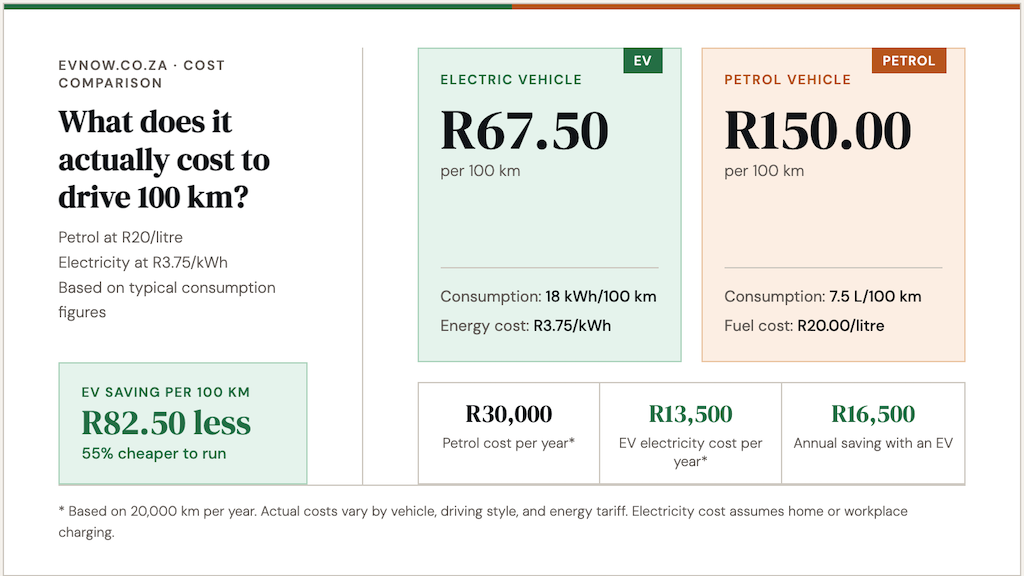
The consequences are felt in your wallet first. A less efficient vehicle costs more to run, week after week, year after year. For households where transport costs already consume a significant share of monthly income, that is a real financial burden, not an abstract one.
At a national level, it means South Africa imports more crude oil than it needs to. That is a drain on foreign exchange, and it makes our economy more vulnerable to the kind of fuel price shocks we have become all too familiar with.
The fuel quality trap
Here is where it gets worse, and where the car industry has a ready-made excuse. South Africa’s petrol and diesel still only meets Euro 2 standards. Remember: Europe moved past Euro 2 in 1997. The EU is now on Euro 6. We are roughly three decades behind.
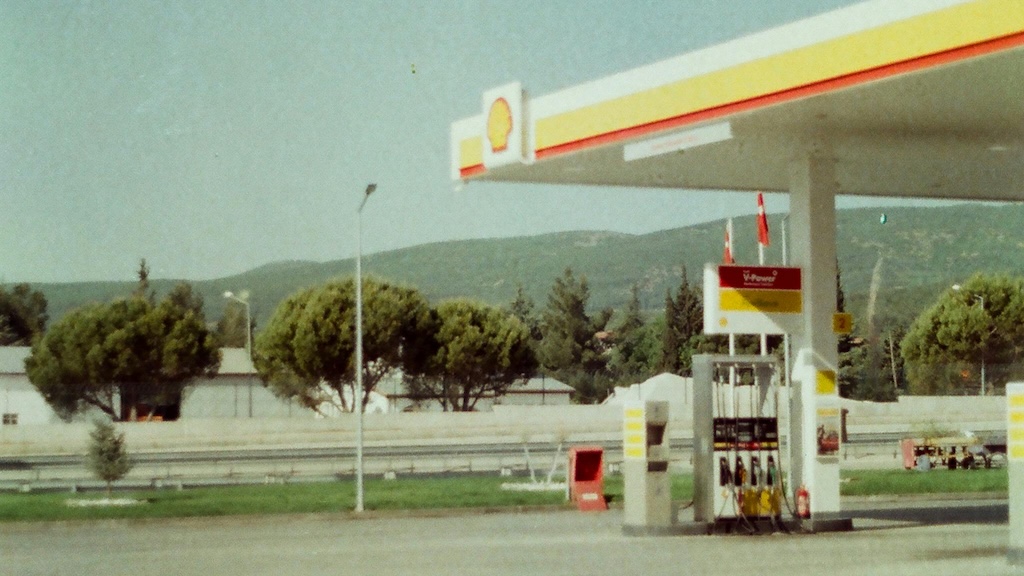
This matters because modern, high-efficiency engines are typically engineered to run on cleaner fuel. A manufacturer can look at South Africa’s fuel quality and say, with a straight face, that it cannot bring its latest engines here because the fuel would damage them or prevent them from performing as designed. It is a circular problem: poor fuel standards invite poor vehicle standards, which perpetuates poor air quality.
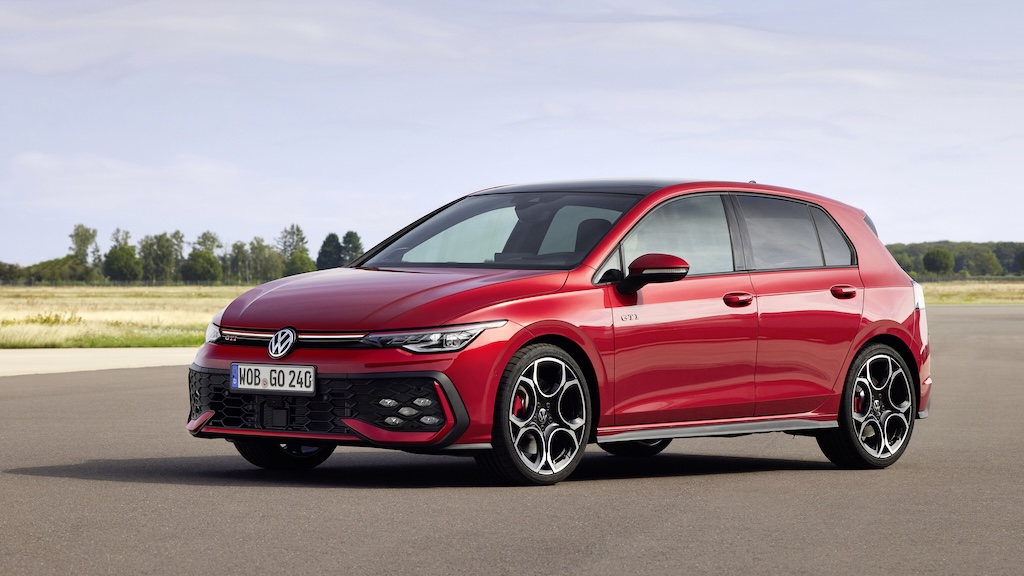
The consequences for South African consumers are concrete. Ford had difficulty in introducing the Mustang GT because its engine was designed to meet EU emissions standards that our fuel cannot support. The Volkswagen Golf 8.5 GTI (below) required additional engineering and testing before VW could sell it here at all.
Toyota has warned that bringing new diesel engines for the Hilux – one of the country’s most popular vehicles – will become increasingly difficult if fuel quality is not addressed; the company uses Euro 6 and 7 engines in Europe but sells Euro 3 engines in South Africa.
The result is that South African consumers are denied access to the most efficient versions of vehicles that are freely available in other markets. We pay more to go the same distance, and we breathe the difference.
And then there is the air
This is where the issue becomes more than a matter of economics. Inefficient combustion engines don’t just burn more fuel; they also produce more of the pollutants that damage human health: nitrogen dioxide, fine particulate matter, and a cocktail of other harmful emissions.
In cities like Johannesburg, where traffic is dense and air quality monitoring tells a grim story, the health burden is not evenly distributed. The people living closest to busy roads and industrial areas tend to be the least able to afford the health consequences.

In April 2025, South Africa’s Supreme Court of Appeal handed down what has come to be called the #DeadlyAir judgment, confirming that the constitutional right to an environment not harmful to one’s health applies directly to air quality, and directing the government to act. It is a landmark ruling. But court orders alone do not clean the air. Policy does.
Where EVs come in, and why they change the argument
Fuel quality is irrelevant to an electric vehicle. There is no engine to damage, no combustion process to optimise for sulphur content. This means manufacturers cannot hide behind the fuel quality excuse. An EV is an EV, whether it is sold in Berlin or Boksburg. The same model, the same performance, the same zero tailpipe emissions.
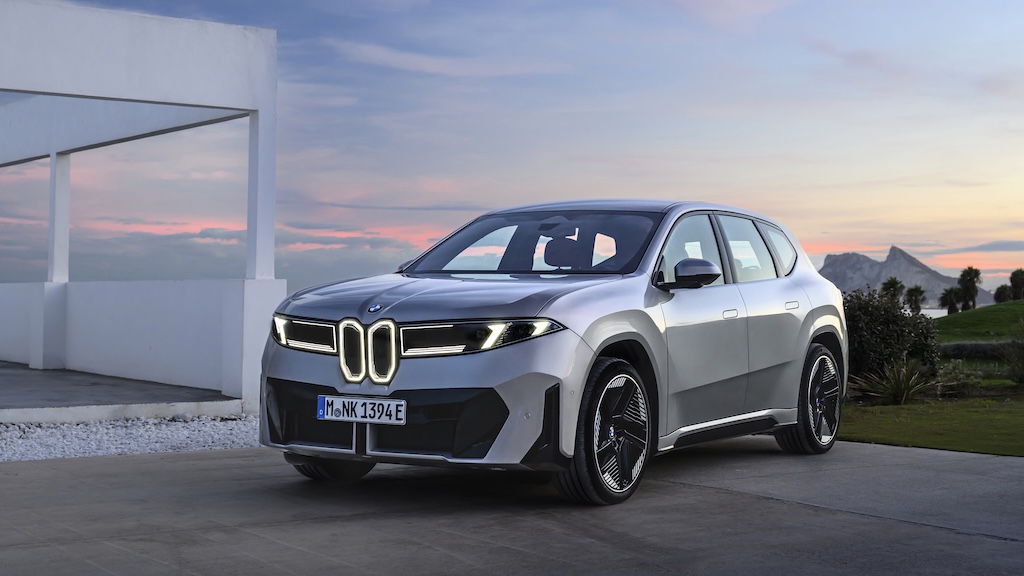
This creates an interesting pressure point. A manufacturer that is serious about its sustainability commitments (and most claim to be) cannot credibly withhold its electric models from a market while simultaneously blaming that market’s fuel quality for the absence of its best combustion engines.
Bringing EVs here is precisely the way to sidestep the fuel quality trap and deliver genuinely clean, modern vehicles to South African consumers right now, without waiting for fuel standards to be upgraded.
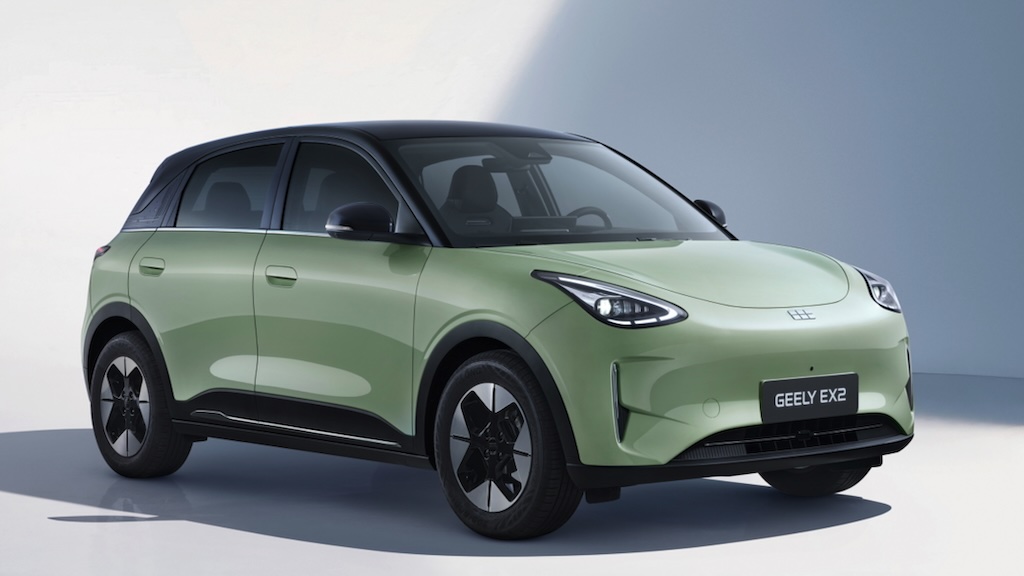
This is why the conversations about fuel quality, fuel efficiency standards, and electric vehicle adoption are not separate debates. They are the same debate at different points on the same road. Better fuel standards raise the floor for combustion vehicles. Better fuel quality removes the excuses for withholding efficient engines. And electric vehicles bypass the problem entirely, which is exactly why they belong at the centre of South Africa’s transport future.
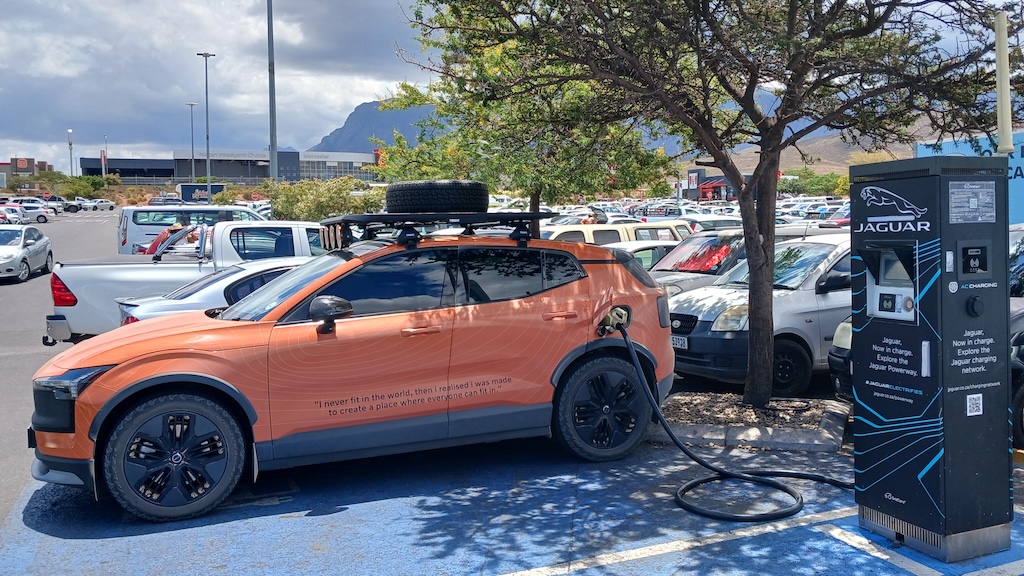
South Africa has an opportunity, still open but not indefinitely, to shape the vehicle fleet that arrives on its roads over the next decade. Manufacturers allocate their best technology to markets that demand it. Right now, we are not one of those markets.
A 50% electric vehicle requirement for all government fleet purchases, across national, provincial, and municipal government, from July 2026, would change that calculation overnight. It would be a statement of intent that no manufacturer could ignore.