
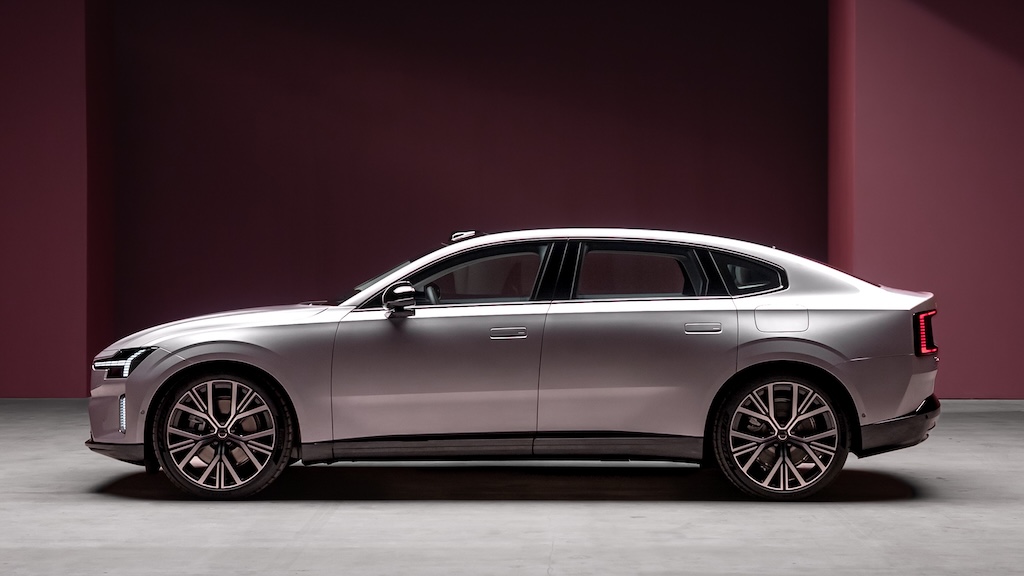
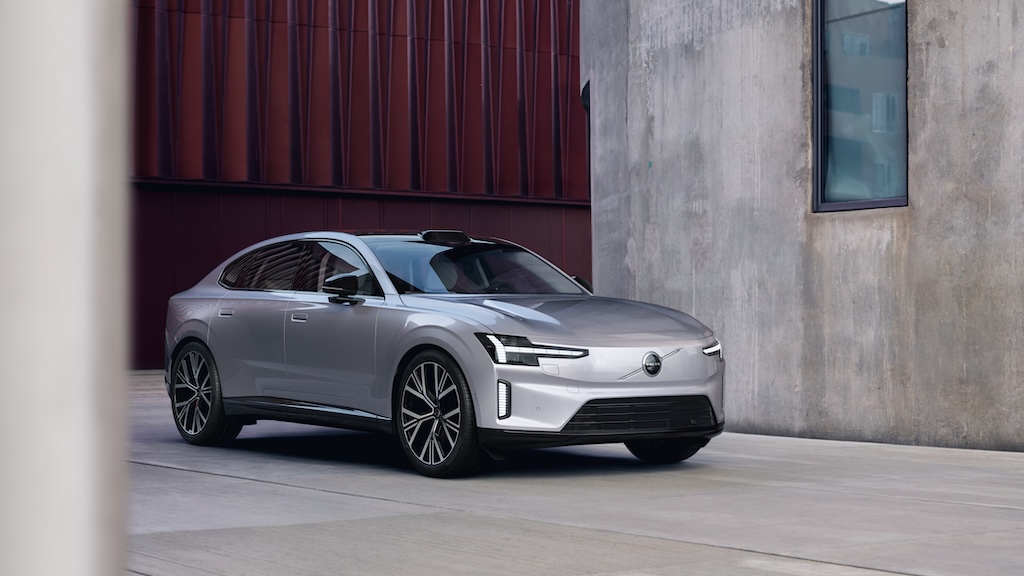
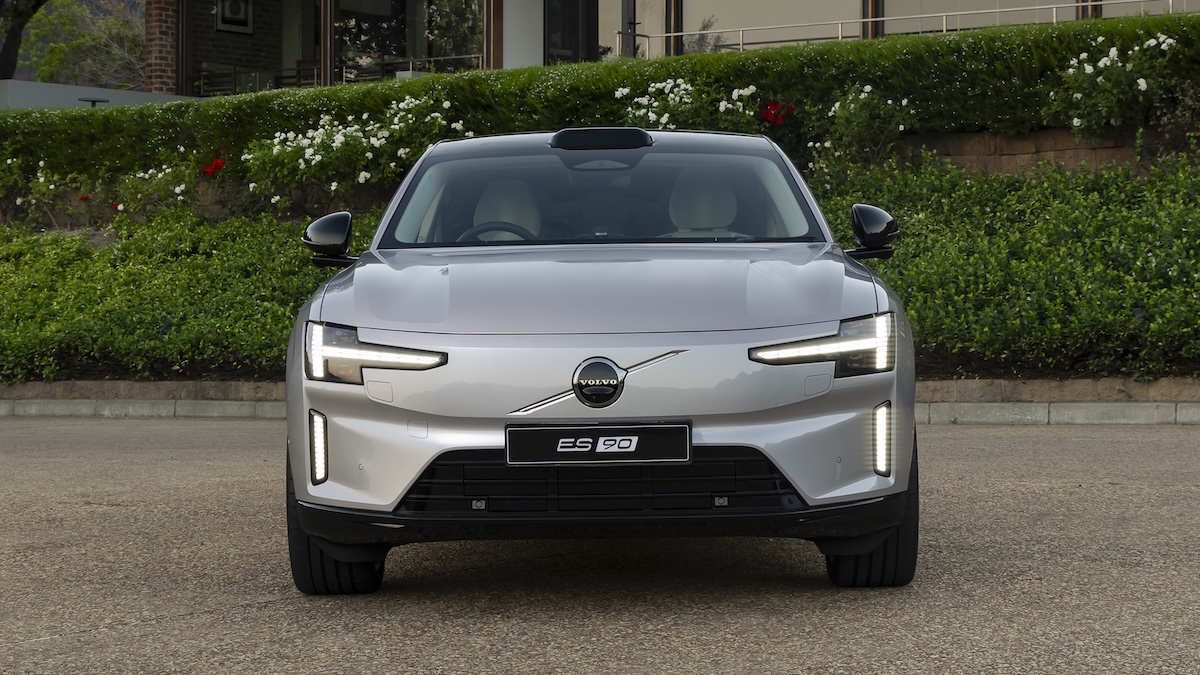
Volvo has never been in a hurry to impress you, and the new ES90 doesn’t change that. It’s the brand’s latest fully-electric flagship, and the test car, a range-topping RWD Extended Range Ultra in Vapor Grey, is built to make the last 300 km before your destination feel like nothing at all.
Underneath its gorgeous, svelte body, the ES90 is all new. It rides on Volvo’s SPA2 electric architecture, shared with the EX90, and gets an 800-volt system that takes it from 10 to 80 percent in as little as 25 minutes on a compatible DC fast charger rated up to 300 kW. A 92 kWh battery carries a claimed 755 km on the WLTP cycle, a figure worth taking with a pinch of salt, since WLTP numbers are notoriously optimistic.
The Long Ranger
Other South African testers have landed anywhere from around 480 km to just over 600 km, depending on how the car is driven. My own figure, mostly from open-road driving, came out close to 500 km, which feels like the number to plan around rather than the one on the spec sheet.
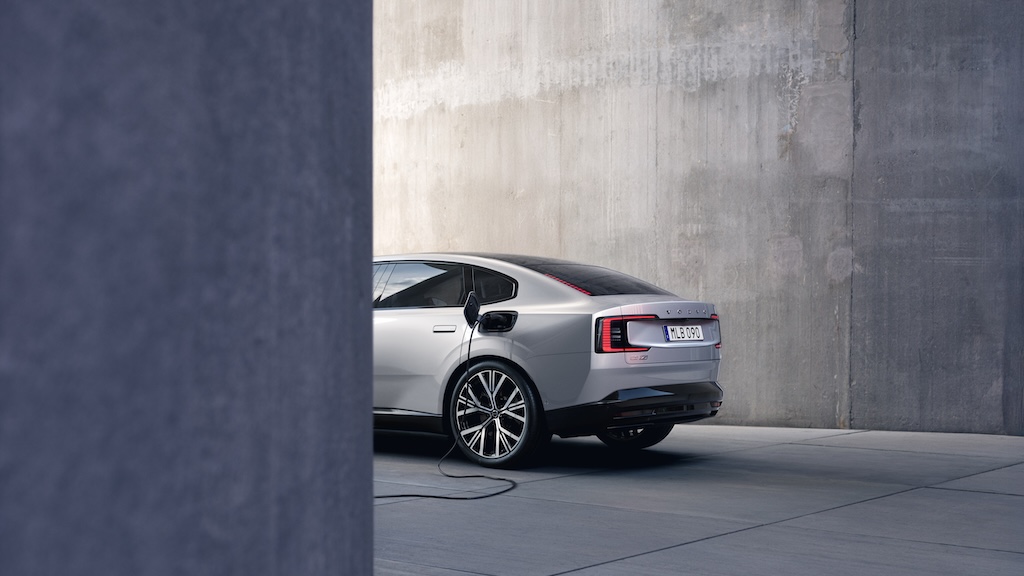
On a compatible DC fast charger, Volvo says you can go from 10 to 80 percent in 25 minutes. Leaving Cape Town International with 88 percent showing and 470 km of range on the dash, the car predicted I’d arrive in Hermanus, 64 km away, with 72 percent left. That’s exactly what happened, a small thing, but the kind of accurate range prediction that earns your trust over a longer trip.
Calm performance
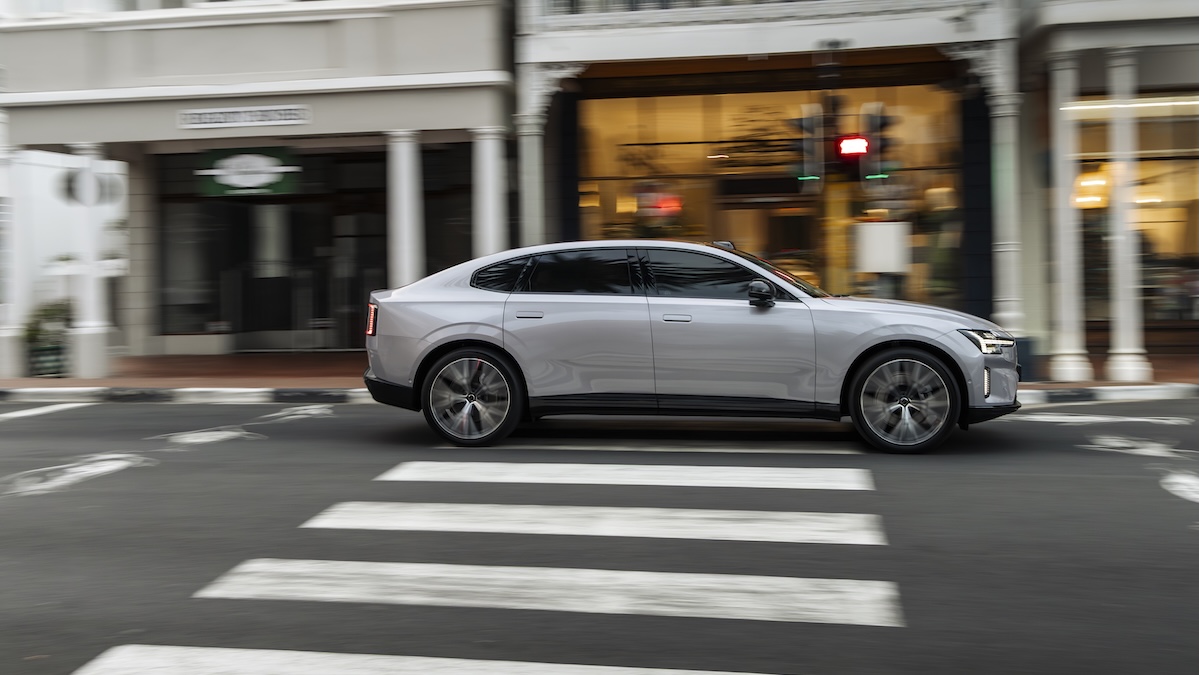
At launch it comes in rear-wheel drive only, with 245 kW and 480 Nm sent to the back axle, 0-100 km/h in 6.6 seconds, and a top speed capped at 180 km/h. That’s a very Volvo decision, one that has nothing to do with the motor’s limits and everything to do with the brand’s safety stance.
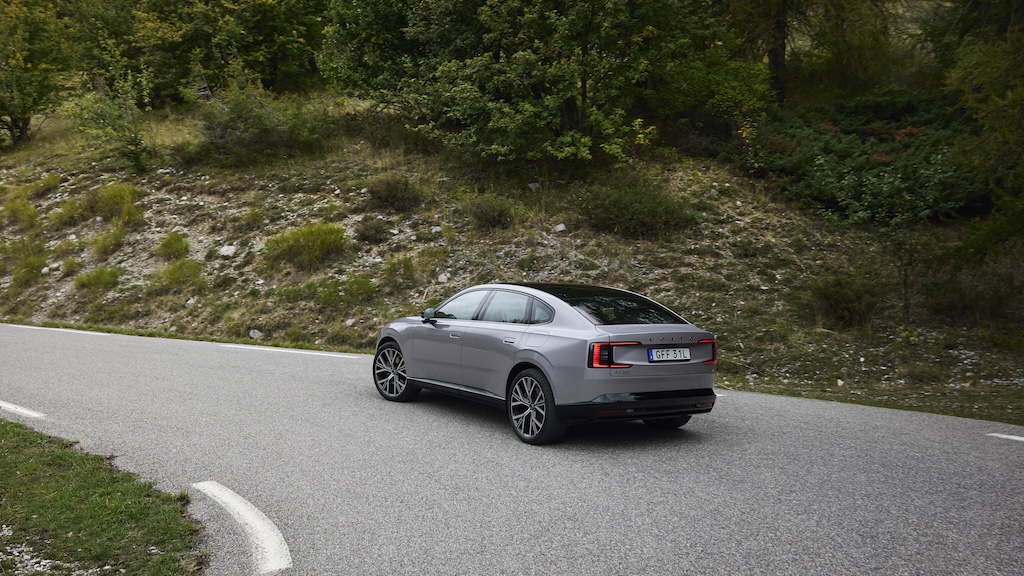
Volvo says more powertrain options are coming, but for now this is the whole story. It’s not a car chasing a stoplight drag race. It’s a car built to coast leisurely.
Braking feel
That shows up most clearly in how it slows down. The regenerative braking isn’t full one-pedal driving, it’s closer to a dynamic setting that reads the road. The car coasts gently in town, then tightens up noticeably once other traffic is around it, almost like it’s making the call for you rather than waiting for input.
It’s not the first time I’ve felt this kind of adaptive regen, Chinese rivals and some Audis do a version of it too. But Volvo’s execution is smooth enough that you stop thinking about it after the first few kilometres, which is the point.
What’s it like to drive?
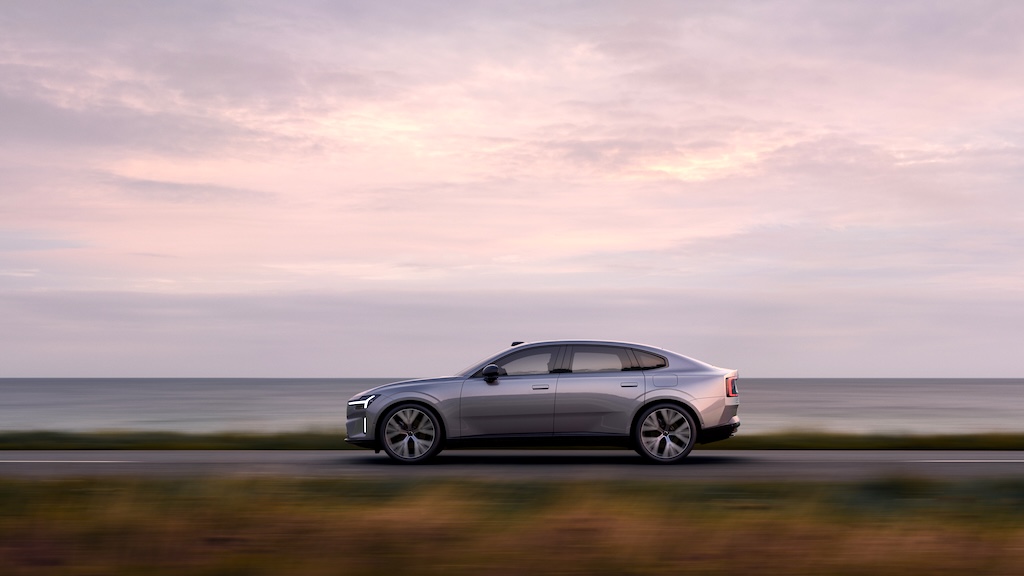
Comfortable, mostly. The cabin is quiet, the shape is slippery, and wind noise that showed up briefly on the N2 out of the airport disappeared just as quickly, more a case of a gusty day than a build issue.
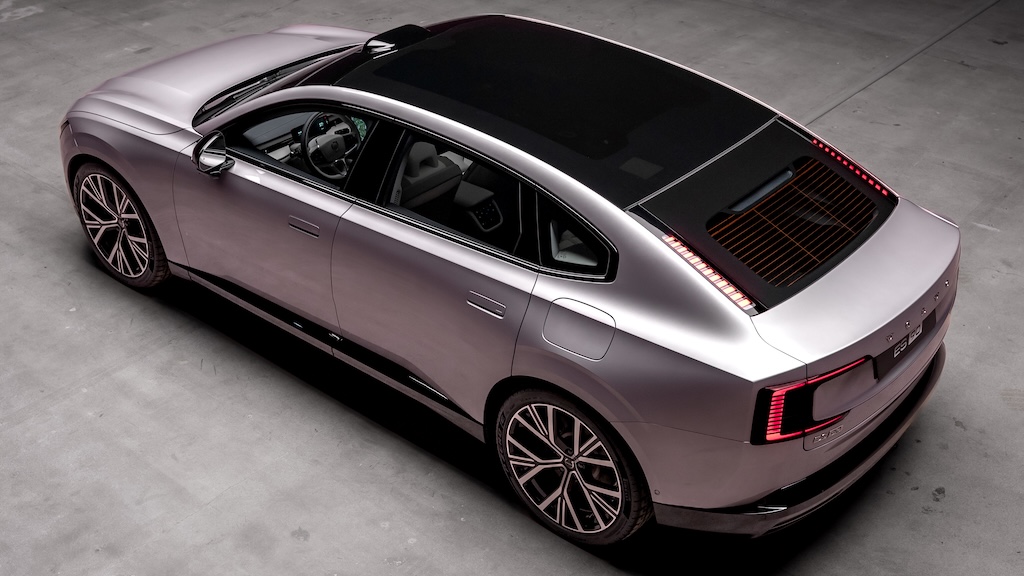
One noise that didn’t fully disappear was a low buzz around the wing mirror housings at speed. This test car had camera-based mirrors, a feature that has also shown up on some Audis, feeding blind spot and driver assistance systems rather than just showing you what’s behind. It’s a neat piece of tech, but it’s also the one spot on the car where the fit and finish felt slightly less resolved than everywhere else, worth a listen for on a test drive.
Thin seats
Getting into the ES90 straight out of an Omoda C9 plug-in bybrid SUV, impressive in its own right, sharpens a few impressions. The Omoda is the noisier car of the two, with interior creaks over rough surfaces that the Volvo simply doesn’t have, though the ES90 also costs close to double.
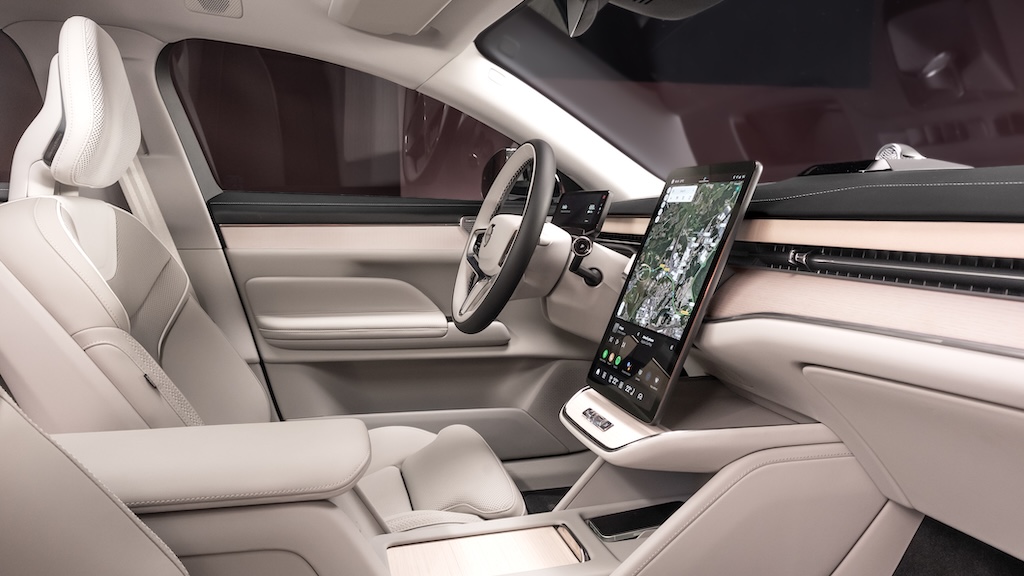
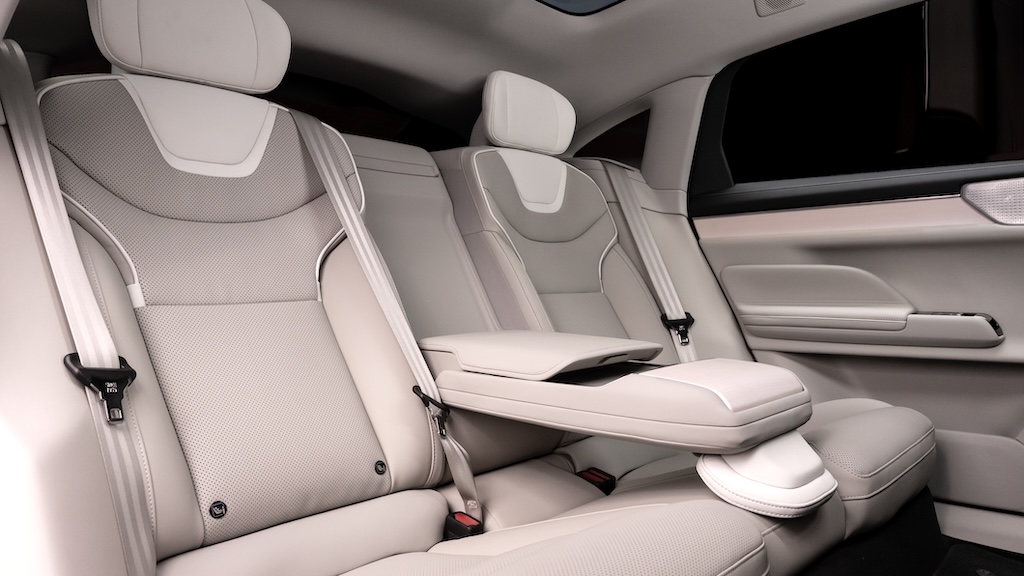
Yet the seat is the one place Volvo’s reputation doesn’t quite carry through. The base cushioning under the sit bones is thinner than you’d expect from a brand built on comfortable long-distance pews, and thinner, oddly, than the cheaper car it was replacing in the driveway that week. It’s not uncomfortable, just not the plush Volvo benchmark you go in expecting.
Build quality
Build quality stands out elsewhere. The doors are power-release, soft-close units, an Ultra-only feature, and close with real heft. Wood trim on the dash looks the part but doesn’t feel entirely convincing under the fingers, a small gripe on an otherwise well-finished cabin.
Tech and cabin
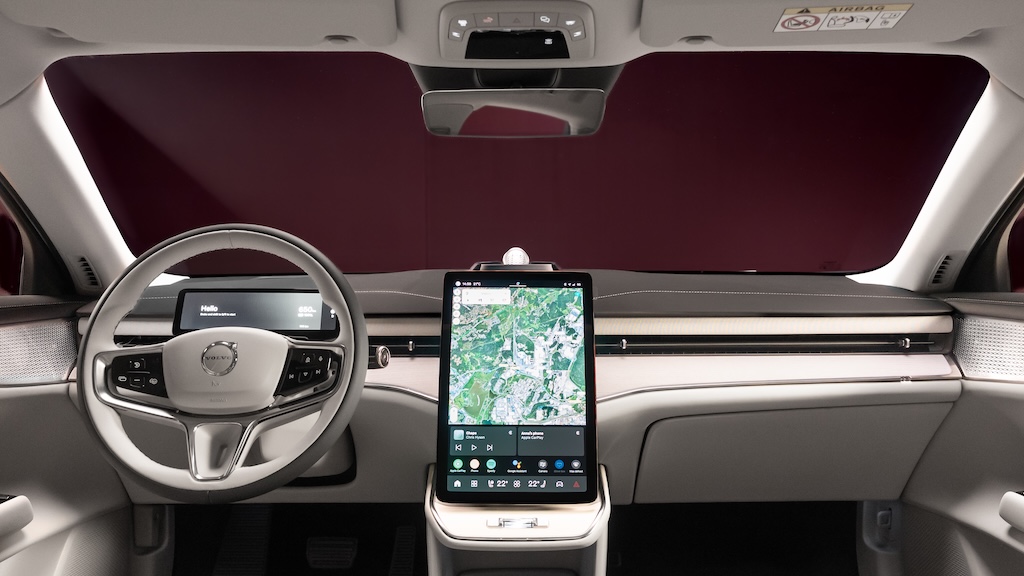
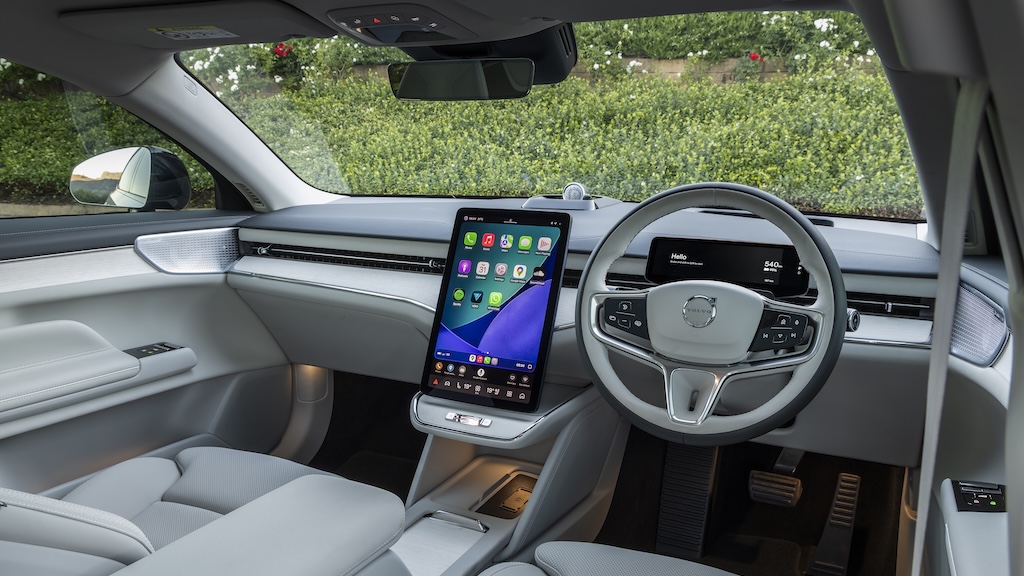
The interior is where the Ultra spec really shows. The electrochromatic panoramic roof switches from opaque to clear at the touch of a button, no in-between setting. It feels like an expensive party trick every time.
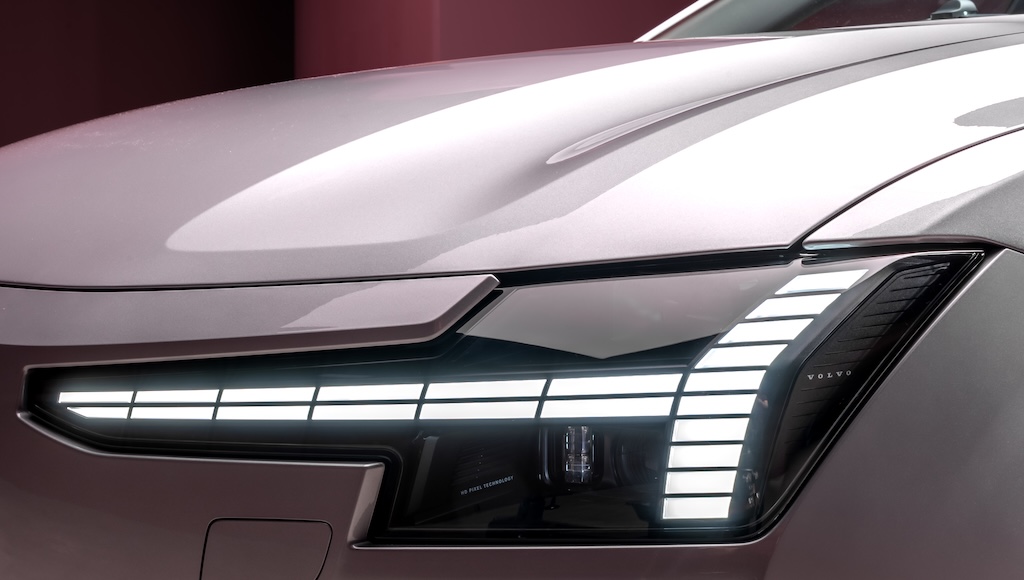
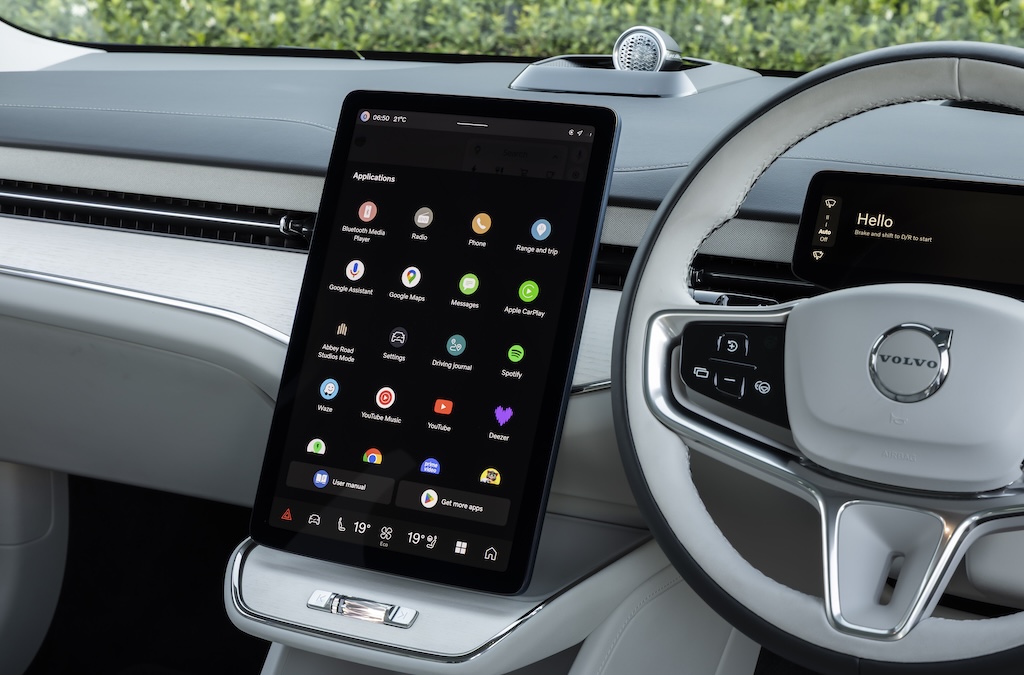
The tablet-style infotainment screen runs Google’s Automotive Services natively. HD pixel headlamps, which can keep high beam on while shading out oncoming traffic, and 21-inch aero alloy wheels round out the Ultra’s standard kit.
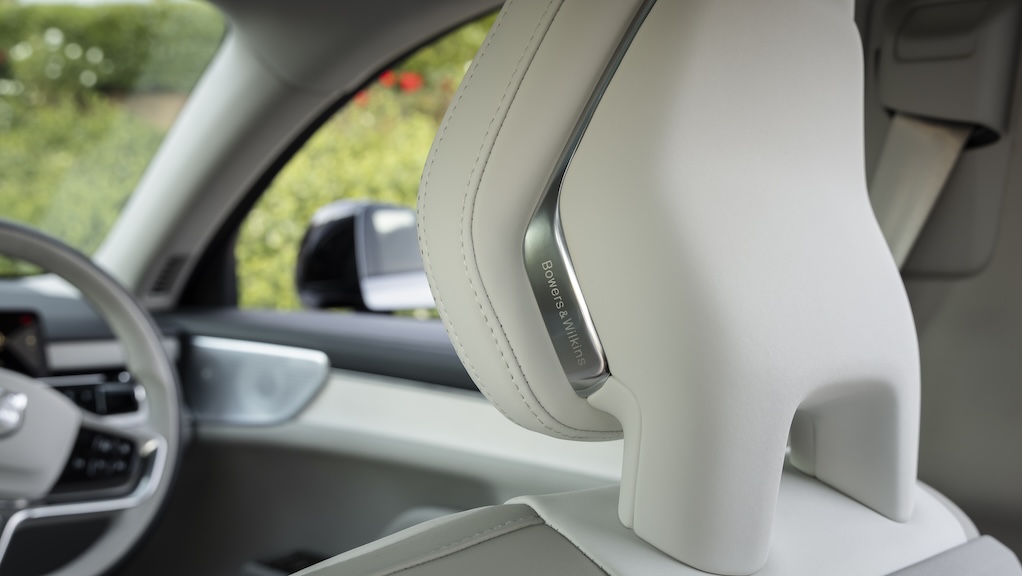
Physical controls are thin on the ground, a familiar Volvo EX90 and EX30 complaint repeating itself here, but there’s at least a proper volume knob and a pair of buttons for track skipping. The Bowers & Wilkins system fitted to this Ultra, 25 speakers and Dolby Atmos, is excellent, sharp enough to pick out instrumentation you didn’t know was there.
Practicality
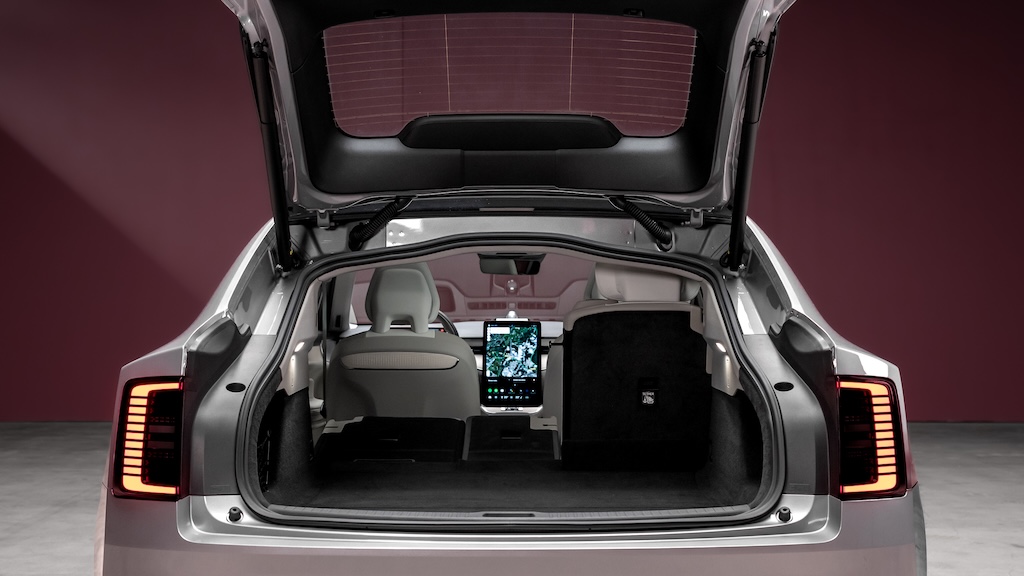
The boot is enormous. 446 litres expands to 1 427 litres with the rear seats folded, plus a 27-litre frunk. Rear legroom is genuinely generous, helped by a 3 102 mm wheelbase and a 5 000 mm overall length. It’s a big car, and it doesn’t hide that, but it uses the size well.
Safety and trim levels
The ES90 arrives in Core, Plus and Ultra trim, and even the Core doesn’t feel like an afterthought, with adaptive cruise control, blind spot monitoring and a head-up display standard.
Plus adds Pilot Assist and a handful of comfort upgrades. Ultra, the trim tested here, brings adaptive air suspension, a 360-degree camera and massage seats, on top of the soft-close doors, tinted windows and electrochromatic roof already mentioned.
Nine airbags and Volvo’s structural protection systems carry through the whole range, exactly what you’d expect from this badge.
Sustainability
There’s a sustainability angle too. Volvo has built recycled and renewable materials into the ES90’s construction, and introduced a battery passport that tracks the origins of materials like nickel, cobalt, graphite and lithium, a nod to the more transparent sourcing story EV buyers are starting to ask for.
Pricing and verdict
The ES90 Core starts at R1 590 000. This particular Ultra test car, in Vapor Grey, lists at R1 795 000 including VAT, close to R1.8 million all in, which buys the full spread of Ultra kit above the Core.
Every ES90, whatever the trim, comes with a five-year/100 000 km maintenance and warranty plan, an eight-year battery warranty, five years of unlimited roadside assistance, a GridCars wallbox with installation, two years of free public charging, and 10 GB of data a month for three years.
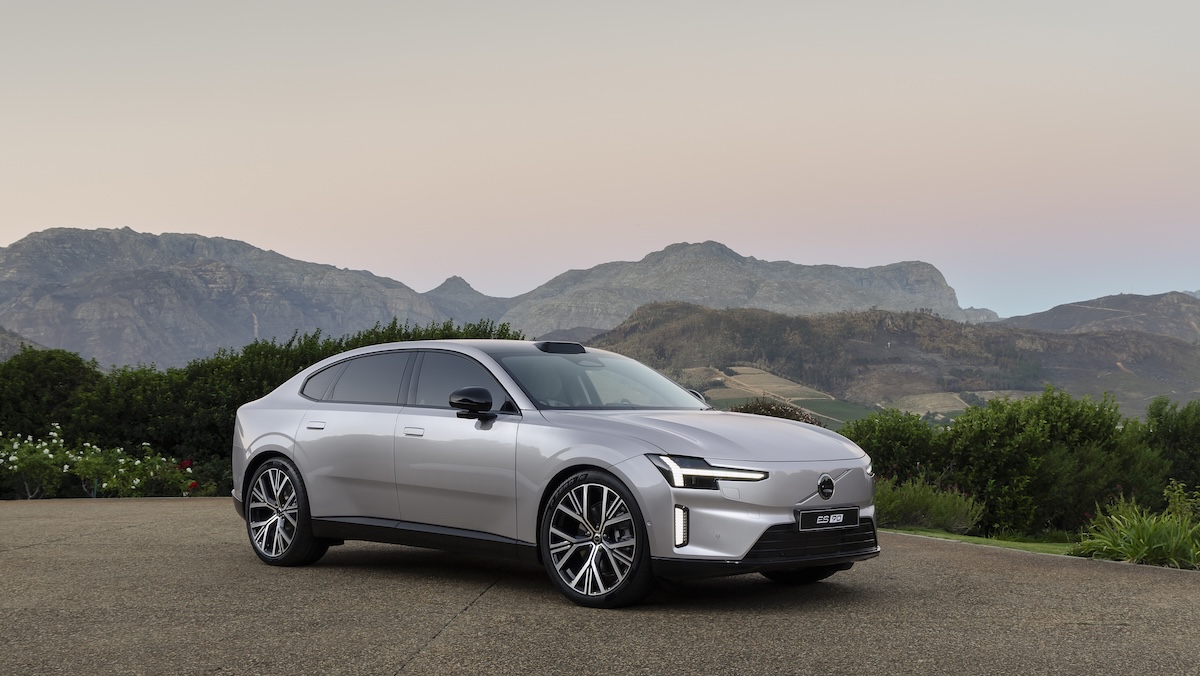
It’s not a cheap car, and Volvo doesn’t have the dealer footprint of the established premium brands, let alone the newer Chinese entrants moving into the same price bracket with big spec sheets and lower badges to defend. The Dongfeng 007 and BYD’s incoming Seal are both worth watching on that front: expect either to match the ES90’s hardware for meaningfully less money.
But the ES90 doesn’t need to win on showroom count. It wins on how easy a 500 km trip feels behind the wheel, and on a level of fit, finish and range confidence that, seat comfort aside, justifies the price tag.
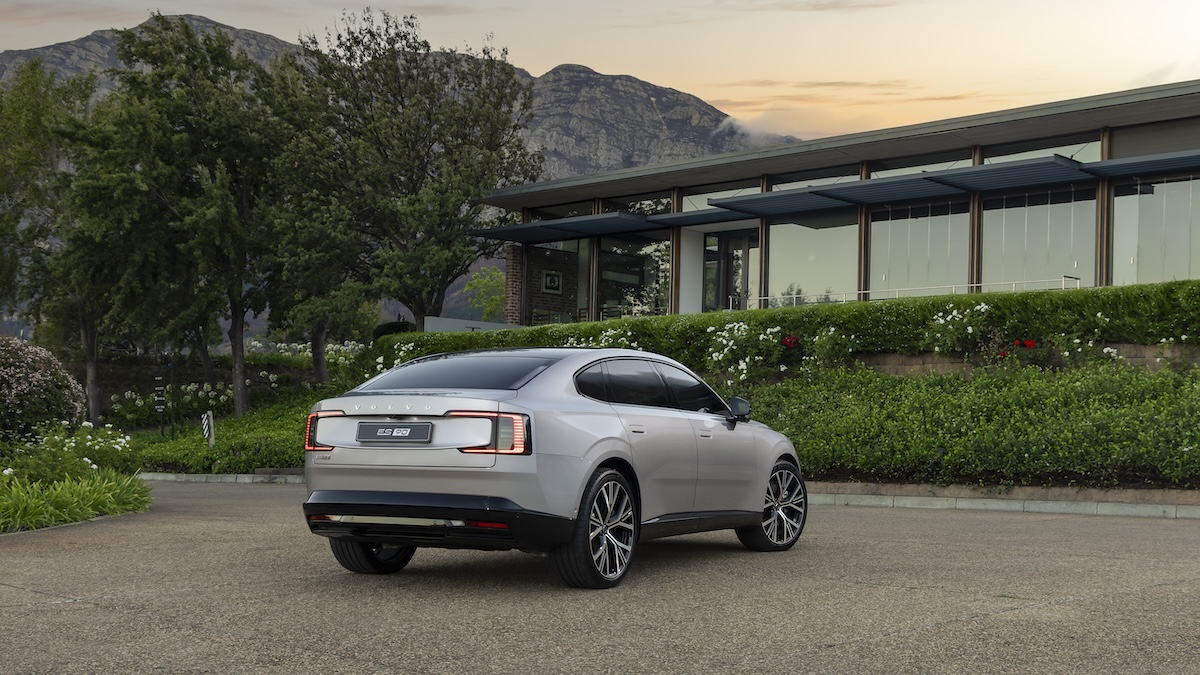
Specifications
Price: R1 795 000
Motor: single motor, rear-wheel drive, 245 kW / 480 Nm
Performance: 0-100 km/h in 6.6 seconds, top speed 180 km/h
Range: 755 km (claimed, WLTP)
Battery: 92 kWh, 800-volt architecture
Charging: 10 to 80 percent in 25 minutes on a compatible DC fast charger
Consumption: from 15.9 kWh/100 km (claimed)
Boot: 446 litres, 1 427 litres with rear seats folded, plus 27-litre frunk
Safety: 9 airbags, adaptive cruise control, blind spot monitoring with cross traffic alert, lane keeping aid, collision mitigation
Warranty: 5 years/100 000 km, 8 years on the battery
Service plan: included in the 5-year/100 000 km maintenance and warranty plan, plus 5 years of unlimited roadside assistance
Published 10 August 2026. ©Justus Visagie | Pictures by Volvo Car South Africa and the author