
The BYD Seal Performance AWD generates 390 kW and accelerates to 100 km/h in 3.8 seconds. That’s supercar performance for Mercedes GLC money. Can premium European brands justify their higher prices when the performance gap has disappeared? And just how good – or bad – is the all-wheel drive Seal?
Words by Justus Visagie | Photos by Desmond Louw
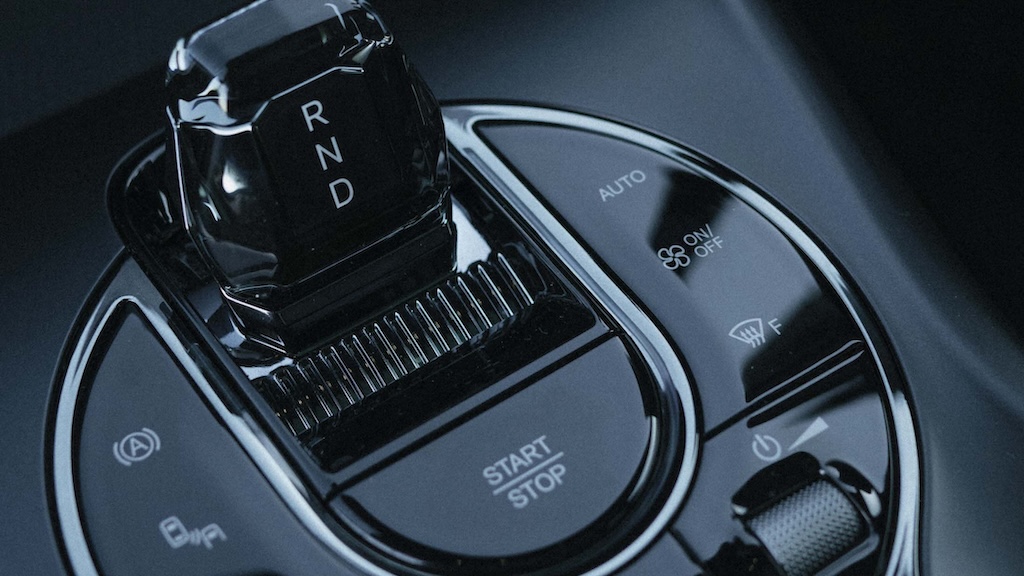
After months of anticipation, I’m finally seated in the BYD Seal Performance AWD, touching the crystal-like drive selector that sits prominently below the massive 15.6-inch rotating touchscreen.
Electric sedans, like this one, have become rare. This is only the third I’ve driven, with automakers favouring SUVs and crossovers that deliver higher profit margins. Though it’s worth noting that most electric ‘sedans’ are actually fastbacks. Open the boot and you can access the entire cabin, almost like a hatchback or estate car.
Still, slipping into a low-slung sports sedan (or fastback) feels like an occasion, a chance to experience the more engaging dynamics that sedans traditionally offer over tall, heavy SUVs. The question is whether the Seal delivers on that promise.
First impressions and design
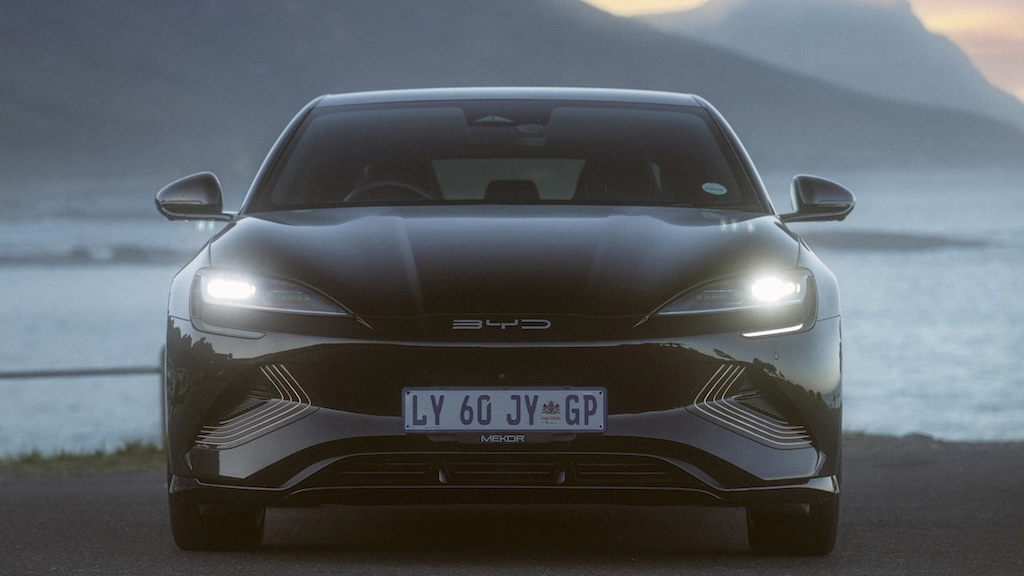
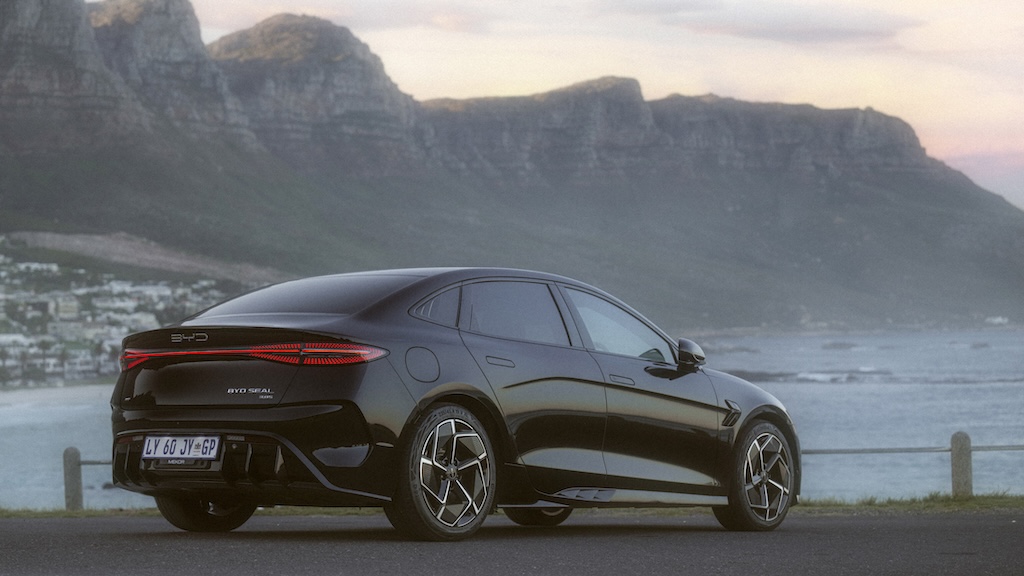
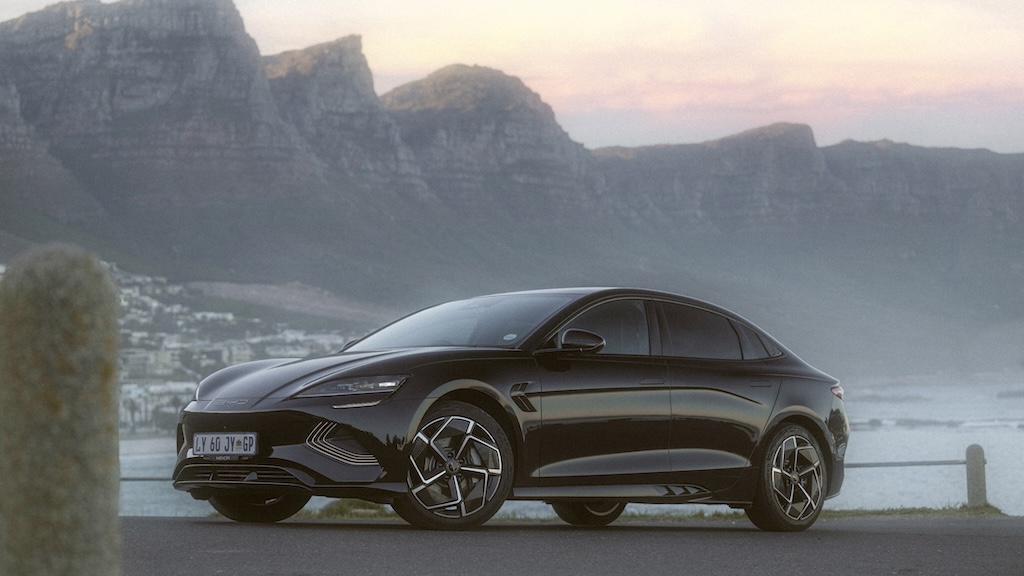
BYD’s global design director Wolfgang Egger, formerly of Alfa Romeo and Audi, has created something that draws attention. During my brief time with the Seal, several people mistook it for a smaller Porsche Taycan, while one passer-by asked if it’s a Hyundai Ionic 6.
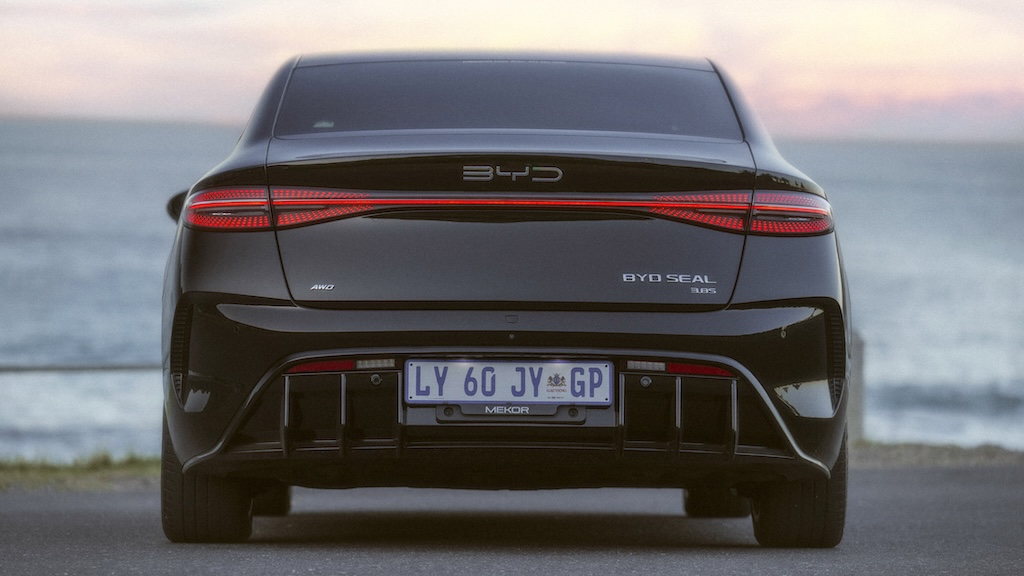
The design doesn’t copy the Taycan, but it shares that same fluid, aerodynamic intent. The 0.219 coefficient of drag matches the Volvo EX30’s slipperiness and contributes to the claimed 520-kilometre range.
At 4 800 mm long with a 2 920-millimetre wheelbase, the Seal offers genuinely spacious rear seating despite the tapered roofline. The fixed panoramic glass roof extends further back than you’d expect, and while headroom remains adequate, the real surprise is legroom. This feels much more spacious in the back than a BMW i4.
The boot measures a claimed 400 litres, supplemented by a 50-litre frunk. It’s adequate rather than generous, though the wide aperture makes loading easier than the numbers suggest.
Interior technology and comfort
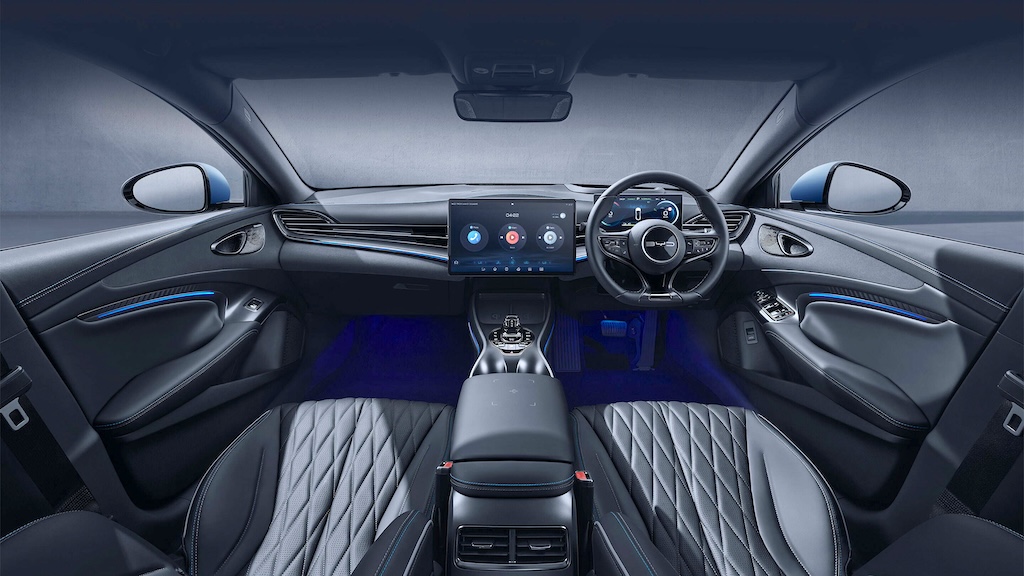
The cabin feels premium in the way a well-executed product should, with quilted seats, ambient lighting that shifts between colours, and white-and-blue contrast stitching running throughout. It’s not quite BMW i4 territory in terms of materials quality, more like Toyota Corolla build standards elevated with genuinely impressive technology.
The rotating touchscreen dominates the interior experience. In portrait mode it suits navigation; in landscape it feels more natural for media controls. The party trick feels gimmicky until you use it for a few days and realise it’s practical. The 10.25-inch digital instrument cluster provides clear, legible information, even without my reading glasses.
My main frustration centres on climate control. You cannot physically adjust the air vents. Everything routes through screen menus offering options like swing, smart, focus, avoid, and free. It’s needlessly complicated when you just want to redirect airflow. At least physical buttons control temperature and fan speed, positioned near the gear selector.
One area where BYD excels is seating. The front seats are heated and ventilated with decent side support, promising comfort during extended drives. In the rear you find ISOFIX mounting, three full seatbelts, and air vents, though passengers can’t control those vents themselves.
BYD has added a thoughtful touch in the footwells with a three-layer mat system. Rubber mats with raised edges sit directly on the carpet, topped with removable textile mats. For muddy conditions, you strip away the textile layer and have a protective ‘bath’. It’s clever design.
The Seal doesn’t feel super-premium, certainly not BMW 4 Series standards. But it’s competent, well-assembled, and crammed with features that premium brands charge extra for.
Performance and dynamics
BYD claims 3.8 seconds from standstill to 100 kilometres per hour from its 390 kW and 670 Nm. That’s just one-tenth slower than the BMW i4 M60’s 3.7-second time, despite the BMW packing 442 kW. But any car enthusiast will tell you that straight-line speed is mostly irrelevant.
Driving the Seal on a mountain pass, the wheels broke traction under power, which caught me off guard. The road was dry and the tyres, while showing some wear, were still road worthy. The car stayed composed and didn’t step out of line, but the loss of grip surprised me. I can’t say definitively whether this reflects the tyre condition, the road surface, or how BYD has programmed the car. But it happened, and it’s worth mentioning.
The steering disappointed. Even an Audi Q5 SUV, which sits much higher, delivers better precision and feedback. My time with the Seal was brief, so I consulted CarExpert’s Australian reviewers who spent longer with the car. They found the steering well-weighted and responsive through tight corners. My experience differed, though whether that reflects road surfaces, tyre condition, or simply different expectations is difficult to say.
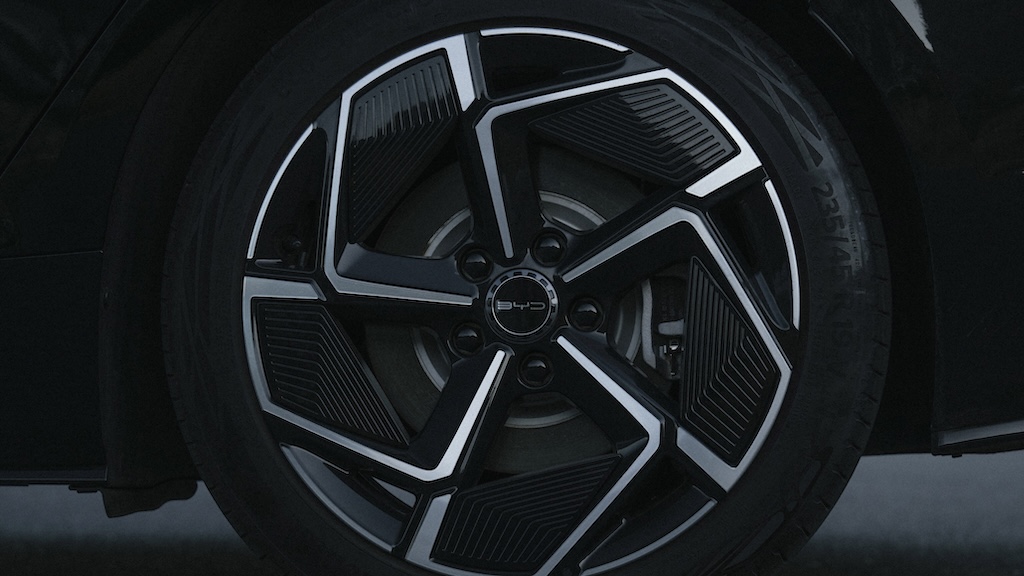
What works brilliantly: the suspension. Over speed humps it’s impressive, absorbing impacts with composure. The low-profile 235/45 R19 tyres transmit some surface texture, but the overall ride quality is superb. The cabin remains exceptionally quiet, aided by double glazing and quality sealing.
Wind noise is absent, tyre roar minimal, and the Dynaudio 12-speaker sound system delivers premium audio. Adaptive cruise control and lane-keeping systems work well, though I disabled the lane-keeping after it proved overly zealous in urban driving.
At 41 percent state of charge, the car indicated 214 kilometres of remaining range, suggesting the full battery delivers close to the claimed 520 km in mixed driving. Pure highway driving would likely reduce that to around 425 km. With this kind of range, long electric road trips can be enjoyed without anxiety.
The 007 comparison
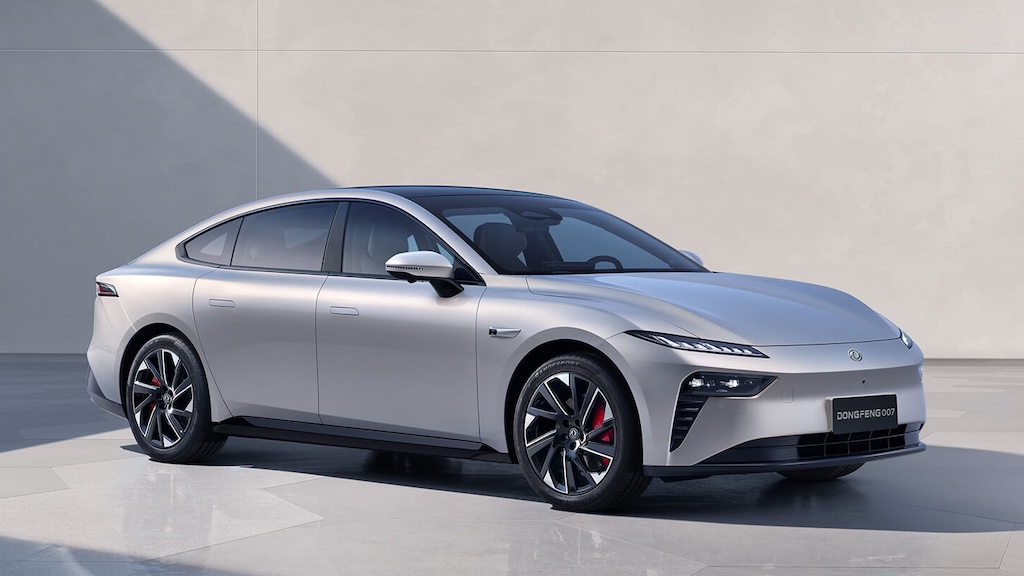
The newly arrived Dongfeng 007 E2 540 AWD costs R929,000, making it R276,900 cheaper than the BYD Seal Performance AWD. The two cars are remarkably similar: both are fastback sedans measuring around 4 800 mm in length with wheelbases exceeding 2 900 mm, and both employ dual-motor all-wheel drive systems delivering near-identical performance.
The Dongfeng offers 400 kW versus the Seal’s 390, though the Seal counters with 670 Nm against the Dongfeng’s 640. Sprint times are separated by one-tenth of a second: 3.8 versus 3.9 seconds. The Dongfeng claims slightly better efficiency at 14.9 kWh per 100 km and a longer 540-km range, while tipping the scales at an impressive 1 979 kg compared to the Seal’s 2 185 kg.
Both offer the same warranty: five years or 100 000 km for the vehicle, eight years or 150 000 km for the battery. Both feature panoramic glass roofs, adaptive cruise control, 360-degree cameras, and heated seats.
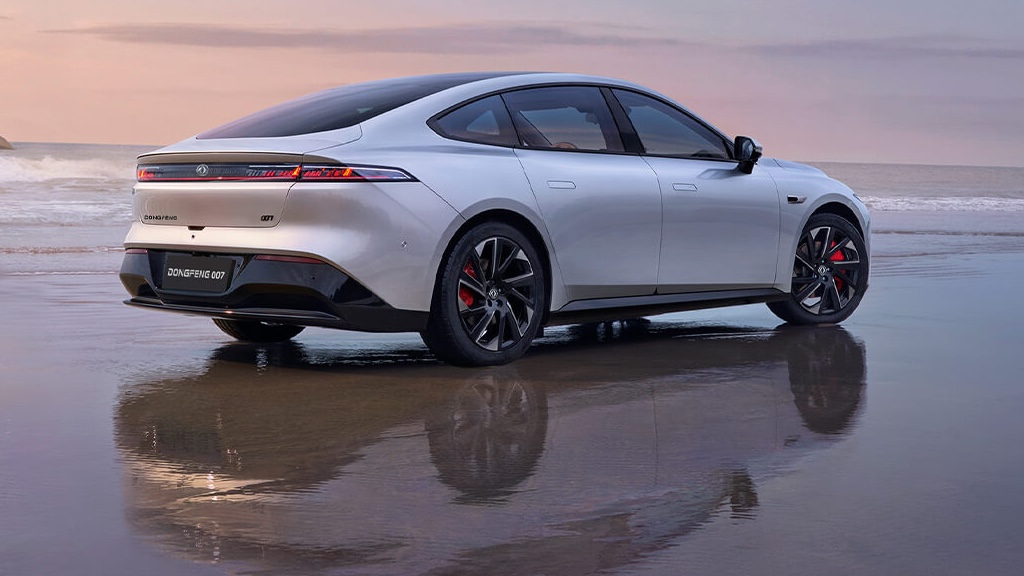
The Seal’s advantages include BYD’s established presence with 13 South African dealerships expanding to 35 by late 2026, proven international sales success as the world’s largest EV manufacturer, and the Dynaudio sound system. But R276 900 represents serious money to South African buyers. When both cars deliver supercar acceleration and similar range, that price gap is significant.
More affordable Dongfeng 007 variants are available, with the E1 530 starting at R799 000 and the E1 620 at R859 000, both offering rear-wheel drive configurations. For a comprehensive local review of the Dongfeng 007, The Electric One’s YouTube channel features Greg Cress’s detailed test of the car in South African conditions.
Let’s see how this new Chinese rival compares to the Seal and the BMW i4s.
Performance comparison table
| Model | Price | 0-100 km/h | Power | Length | Range | Kerb mass | Consumption | DC charging |
|---|---|---|---|---|---|---|---|---|
| Dongfeng 007 E2 540 AWD | R929 000 | 3.9s | 400 kW | 4 880 mm | 540 km | 1 979 kg | 14.9 kWh/100km | 200 kW |
| BYD Seal Performance AWD | R1 205 900 | 3.8s | 390 kW | 4 800 mm | 520 km | 2 185 kg | 15.9 kWh/100km | 150 kW |
| BMW i4 eDrive35 M Sport | R1 500 000 | 5.7s | 250 kW | 4 783 mm | 590 km | 2 070 kg | 17.5 kWh/100km | 180 kW |
| BMW i4 M60 | R1 750 000 | 3.7s | 442 kW | 4 783 mm | 538 km | 2 285 kg | 20.9 kWh/100km | 200 kW |
If you’d rather not pore over the comparisons above, here are the key findings:
Dongfeng 007 E2 540 AWD: Best DC charging (200 kW, tied with BMW M60), most efficient (14.9 kWh/100km), lightest AWD option (1 979 kg), longest range (540 km)
BYD Seal Performance AWD: Second quickest (3.8s), but slowest DC charging (150 kW) and heaviest (2 185 kg)
BMW i4 eDrive35: Best range (590 km), lightest overall (2 070 kg), but slowest performance and most expensive per kilowatt
BMW i4 M60 xDrive: Quickest (3.7s), most powerful (442 kW), excellent DC charging (200 kW), but heaviest (2 285 kg) and most expensive overall
Premium brands under pressure
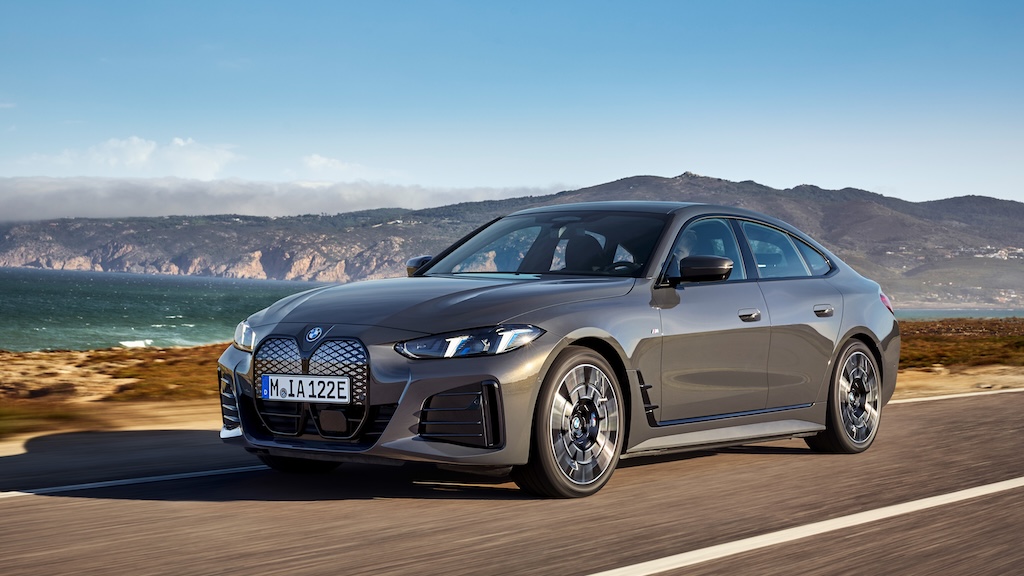
Let’s consider the broader context. The BMW i4 eDrive35 M Sport costs R1 500 000 and offers genuinely superior steering feel and chassis dynamics. But it delivers just 250 kW compared to the Chinese sedans’ 390 to 400 kW, and takes 5.7 seconds to reach 100 km/h.
The BMW i4 M60 delivers 442 kW and a 3.7-second sprint time, but costs R1 750 000 and weighs 2 285 kilograms, making it the heaviest and most expensive car in this comparison.
Legacy brands still hold advantages in established service networks and considerable parts warehouses in the country. Those advantages narrow with each new model generation as Chinese manufacturers build dealer networks and refine their products.
South African consumers have already demonstrated willingness to migrate from premium brands to Chinese alternatives, with Chery, GWM, BAIC, MG, and Jetour capturing significant market share. When Chinese brands achieve the same national coverage and service reliability as legacy manufacturers, superior steering feel alone won’t justify double the price. Not in a market where household budgets face constant pressure.
The verdict
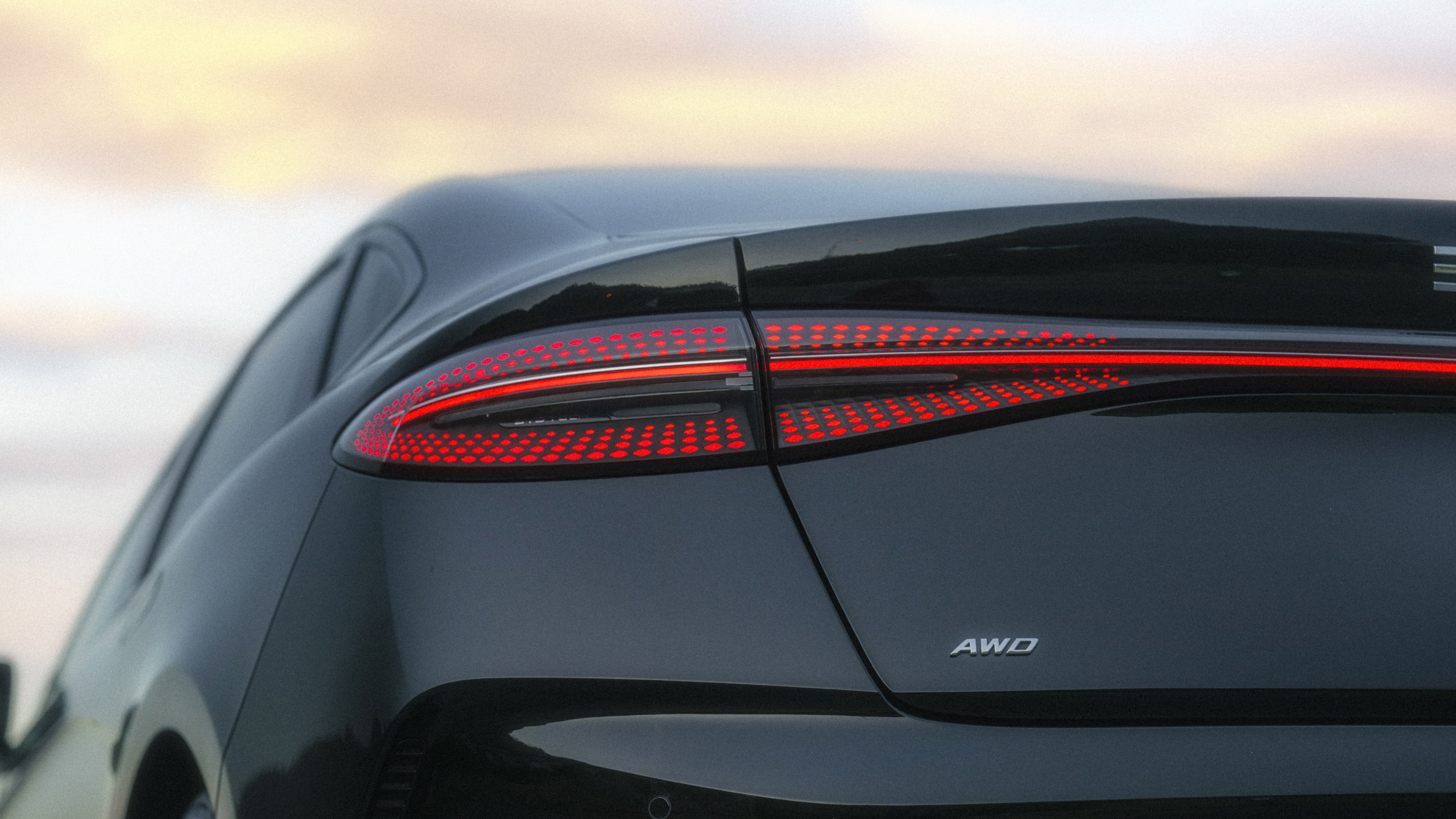
The BYD Seal Performance AWD’s steering lacks precision, the build quality falls short of premium Chinese rivals and German standards, and the climate control system frustrates with its needless complexity. Despite the Performance badge and sub-four-second acceleration, this is more comfort-focused limousine than track-day weapon. Don’t expect the rewarding dynamics you’d find on a deserted mountain pass.
But consider the complete package. This is a genuinely quick car with supercar-rivalling acceleration, a spacious and comfortable interior loaded with technology, excellent sound insulation, and a premium audio system. It costs R294 100 less than the slower BMW i4 eDrive35 M Sport, or R276 900 more than the mechanically similar Dongfeng 007 if you prioritise value over brand recognition. Could it be a better car than the Performance Seal too? Only time will tell.
For buyers who want explosive performance and modern technology without paying premium brand prices, the Seal Performance AWD delivers extraordinary value. And that sentence would have been unthinkable just five years ago.
BYD Seal Performance AWD specifications
Price: R1 205 900
Engine: Dual electric motors, 390 kW, 670 Nm, all-wheel drive
Performance: 0-100 km/h in 3.8 seconds, 179 km/h top speed
Range: 520 km (claimed), 400-450 km (estimated highway)
Battery: 82.6 kWh lithium-ion
Charging: 11 kW AC, 150 kW DC
Published 15 February 2026. ©Justus Visagie and DNA Photographers